



Since September 17th 1920 in Canton Ohio the NFL has been connected with politics, that day in Canton the NFL was named America’s professional league.
In the early years of the NFL it was not overtly political, but as World War II started it created an inherent American identity surrounding the NFL as the America was searching for positivity as war waged in Europe.
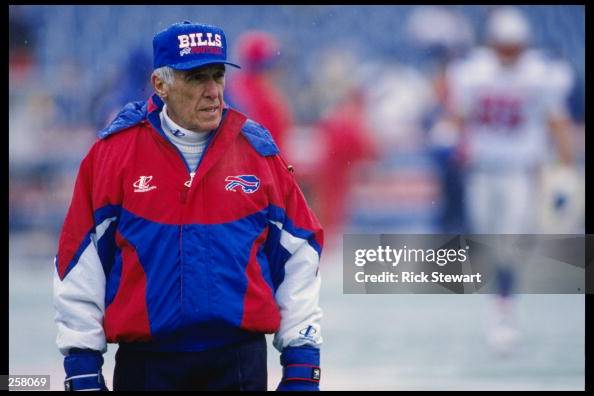
Ex-NFL coach Marv Levy served in the Air Force during the war and once famously said before the Super Bowl, "World War 2 was a must win this is just a game."
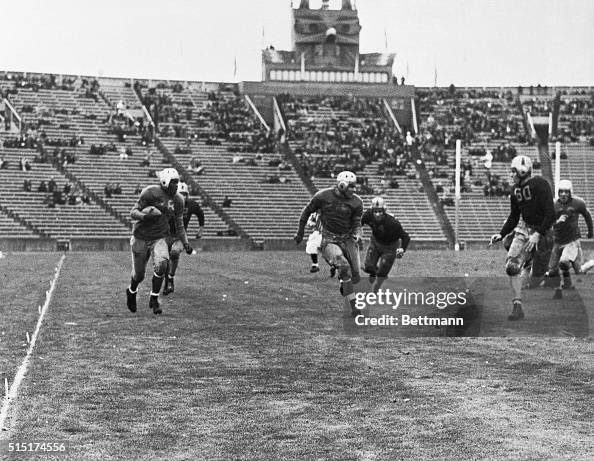
Moreover, in the 1920s the league briefly became integrated, a rarity for the time, as America entered the mid-30s there became a somewhat gentlemen's agreement, especially following the passing of Jim Crow laws.
Following the end of the second world war, and some social pressures the unofficial agreement was breached by the Los Angeles Chargers by signing Kenny Washington and Woody Strode, by the 1960s the leagues most popular athletes where African Americans.
Former NFL commissioner Pete Rozelle once famously said, "Professional football is a game for all people and our league reflects the diversity of America."
As the Cold War entered full flow, the NFL became again tied with pure American patriotism, especially following the tragic attacks following the terror attack on the 9th of September.
This attack then lead to Pro-Bowl Arizona Cardinals safety to leave the NFL and enlist in the Army he was tragically killed in what turned out to be a friendly fire incident on the 22nd of April 2004, the league regularly honours him.
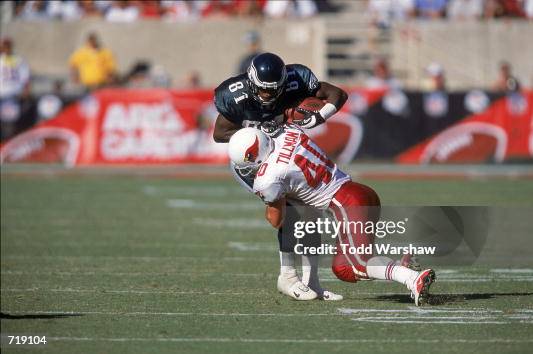
His former team mate Jake Plummer said, “Pat never wanted to be a hero. He just wanted to do what he believed was right.”
After the terror attack the NFL has embraced patriotism more and more with Military flyovers becoming the normality before almost every NFL game.
There has been some controversy over these military displays before and after NFL games with senator John McCain who produces a report on paid patriotism saying, “Taxpayer dollars should not be used to pay professional sports leagues for displays of patriotism.”
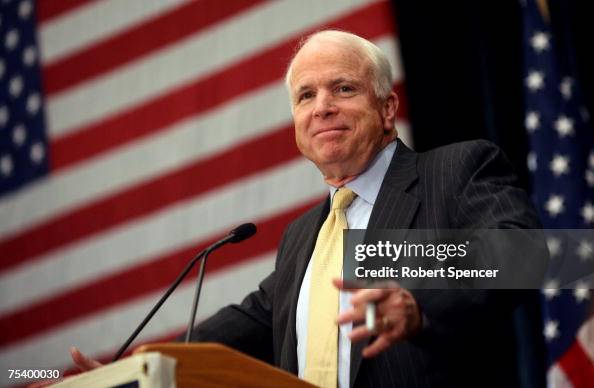
Sports Sociologist Michael Butterworth stating, "Flyovers and military pageantry fuse sport with national identity, framing games as civic rituals.”
The NFL also partakes in the "Salute to Service" this a game week once a year where all NFL teams in some way make a nod towards the armed forces, this can be via a few different methods, anything from Camo jumpers to pyrotechnics.
From a player perspective the most political statement ever would be from ex-Sanfransisco 49ers quarterback Colin Kaepernick who famously took a stand for civil rights and police brutality.
He did this by not standing for the national anthem, he said, "“I am not going to stand up to show pride in a flag for a country that oppresses Black people and people of colour.”
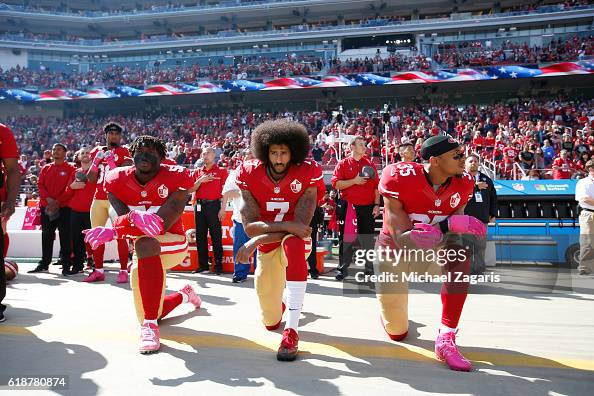
This protest saw a wide range of responses from across the league here are just a few.
Donald Trump said, “Wouldn’t you love to see one of these NFL owners say, ‘Get that son of a bitch off the field right now.’
Us National team footballer Megan Rapinoe said, “Being a gay American, I know what it means to look at the flag and not have it protect all your liberties.”
The NFL Commisioner came out in support saying, "I support our players when they want to see change in society, and we don’t live in a perfect society.”
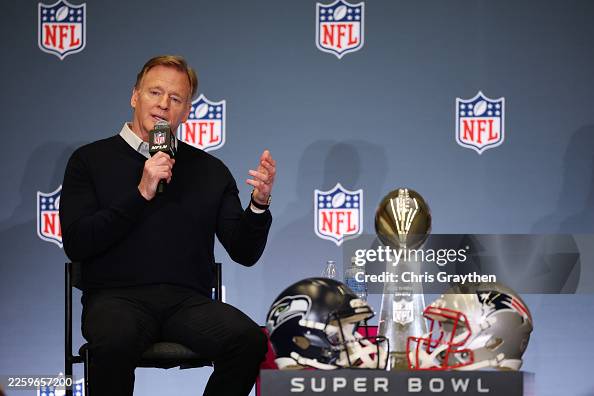
The league has always engaged in formal politics using its buying power to lobby broadcasters and financial boards.
The NFL at it's core is political and anyone who says otherwise does not know the history.
