



ADVERTISEMENT
Nothing dated faster in modern pro football than the old phrase season-ending injured reserve. Twenty years ago, landing on IR in Week 2 meant turning in your playbook until spring OTAs no matter how quickly a high ankle sprain or broken collarbone healed. Today, the 53-man active roster works more like a 70-man revolving carousel where general managers stash banged-up starters for a month, promote practice squad veterans on Saturday afternoon, and hoard return designations for January. Across the NFL, knowing the exact difference between four games and four weeks, or between PUP and IR at August cutdowns, separates sharp roster management from self-inflicted mistakes.
How Many Games Must an NFL Player Miss on Injured Reserve?
An NFL player placed on Injured Reserve with a designation to return must miss a minimum of four regular-season or postseason games played by his team, excluding bye weeks, before his club can activate him during a 21-day practice window under a cap of eight regular-season returns.
| Roster List or Mechanism | Minimum Absence | Counts Against Return Cap? | Key Eligibility and Roster Rules |
|---|---|---|---|
| Injured Reserve (IR) Return | 4 games played (bye week excluded) | Yes, uses 1 of 8 regular-season slots | Up to 2 preseason cutdown designations allowed; 2 bonus slots in playoffs |
| Active / PUP (Training Camp) | Zero games if cleared before cutdowns | No | Must be placed before taking a single camp practice snap; counts on 90-man |
| Reserve / PUP (Regular Season) | First 4 games of regular season | No, exempt from the 8-return limit | Only for football injuries suffered prior to training camp |
| Non-Football Injury (NFI) List | First 4 games if moved to Reserve/NFI | Yes, shares the 8-return team pool | Covers injuries or illnesses suffered outside NFL club workouts |
| Practice Squad Standard Elevation | Reverts to practice squad after game | Max 3 elevations per player per year | 4th game requires signing to 53-man active roster |
Read that bye-week fine print twice, because broadcasters botch it almost every Sunday in October. The minimum stay on Injured Reserve is four games missed, not four calendar weeks. Bye weeks do not count.
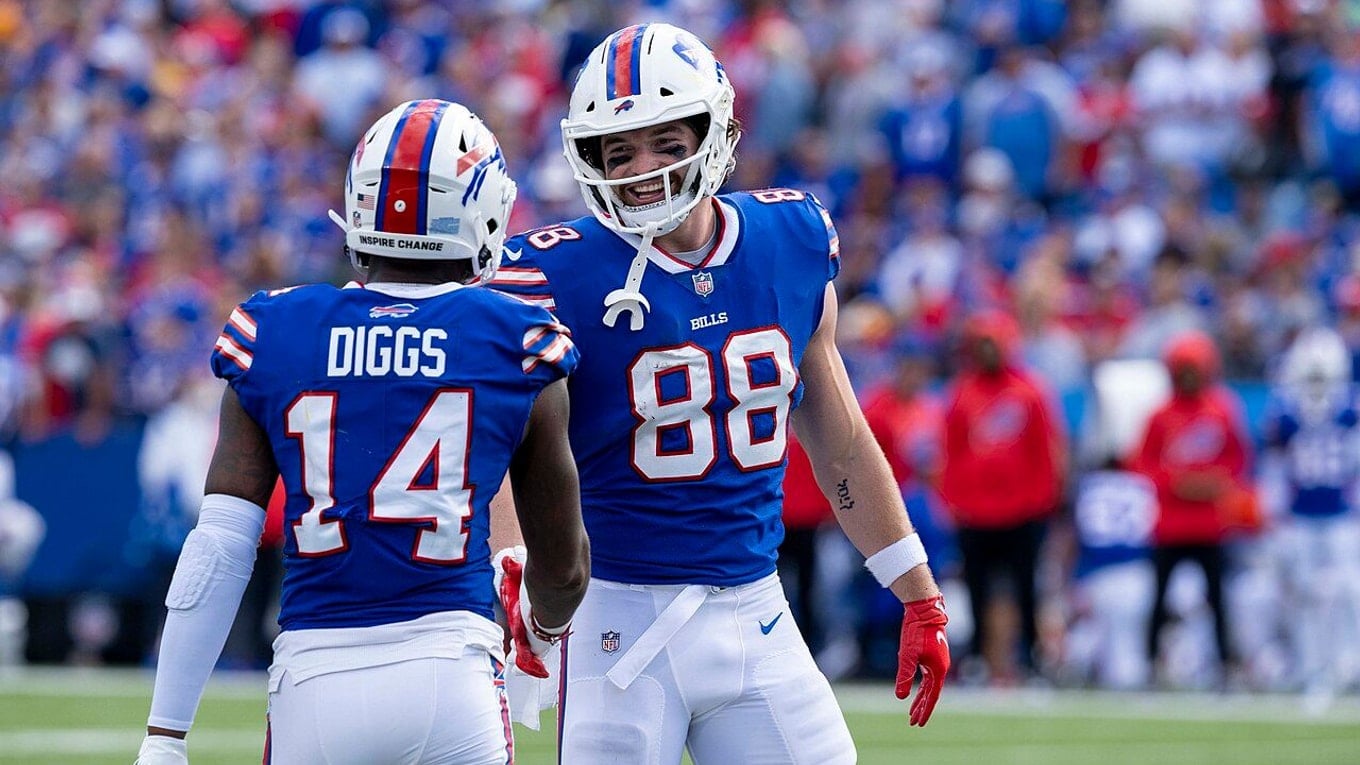
Walk through a real calendar example. Say a starting linebacker tweaks a hamstring in Week 4, goes onto IR on Wednesday before Week 5, and his team has a Week 7 bye. He misses Week 5, misses Week 6, sits through the Week 7 open date without earning a game credit, misses Week 8, and misses Week 9. The earliest Sunday he can buckle his chinstrap again is Week 10, five full calendar weeks after going on the shelf. Playoff games do count toward the four-game minimum if a starter lands on IR in Week 16 or Week 17 for a contender like the Buffalo Bills or the Detroit Lions.
The Eight-Return Cap, Cutdown Rule, and 21-Day Practice Window
Clubs cannot cycle injured players off and on IR without limit. Each franchise receives eight total return designations during the regular season, shared across Injured Reserve and the Reserve/Non-Football Injury list. Any team that punches a ticket to the postseason picks up two bonus return slots for January and February, raising a playoff club's maximum to ten total returns. One individual player can even go on IR, return, get hurt a second time, and return again later in the same season, provided the club is willing to spend two of its eight slots on him.
Before 2024, late August roster cutdowns forced an ugly gymnastics routine. Back then, any player placed on IR prior to final 53-man cutdowns was automatically shut down for the entire season unless waived with an injury settlement. Teams had to carry injured starters onto the initial 53-man roster at 4:00 p.m. Tuesday, expose a healthy depth player to waivers for 24 hours, put the hurt starter on IR Wednesday afternoon, and pray nobody claimed the veteran they cut. Owners fixed part of that headache in 2024 by letting every club designate up to two players as IR-eligible-to-return directly on cutdown day without burning initial 53-man spots, though both players immediately eat two of the club's eight regular-season return tickets.
Once a player sits out his mandatory four games and passes medical clearance to practice, his team opens a 21-calendar-day practice window. During those three weeks, he works in full pads with his teammates while remaining off the 53-man roster count. Front offices face a hard cliff on Day 21 at 4:00 p.m. Eastern: activate him onto the 53-man roster by cutting or moving somebody else, or watch him revert permanently to season-ending IR for the rest of the year. Detroit lived inside those 21-day countdown clocks during its 2024 NFC North run while trying to gauge whether defensive linemen and linebackers could realistically make it back for a January divisional matchup.
Active/PUP vs Reserve/PUP and the NFI Distinction
Whenever July camp opens, fans see stars placed on the Physically Unable to Perform list and treat it like summer IR. In truth, PUP carries one ironclad prerequisite that trips up casual observers: a player can only go onto Active/PUP at the start of training camp for a football-related injury suffered prior to camp, and the instant he participates in even one minute of a single training camp practice, he becomes permanently ineligible for the PUP list that season.
Suppose an edge rusher tore his ACL the previous December. He starts July on Active/PUP, where he counts toward the 90-man summer roster, attends meetings, rehabs with trainers, and can be activated onto the practice field any morning. If he still is not ready when teams trim from 90 down to 53 in late August, the club shifts him to Reserve/PUP. That move clears his spot off the 53-man roster, locks him out for at least the first four games of the regular season, and preserves a hidden competitive perk: activating a player off Reserve/PUP after Game 4 does not burn one of your eight IR return designations.
The Non-Football Injury or Illness list mirrors PUP mechanics for setbacks that happen away from club-supervised football work. Think of a rookie drafted in April with an old college knee injury, a guard who pulls a calf training on his own beach workout in July, or a player recovering from an offseason surgery unrelated to team drills. Two differences separate NFI from PUP. First, while clubs owe full base salary on PUP, teams hold CBA discretion to withhold base salary or renegotiate split pay for veterans on NFI. Second, bringing a player back from Reserve/NFI during the season does eat one of your eight return designations.
How the 16-Man Practice Squad and Three Elevations Work
COVID-era roster flexibility reshaped the bottom of NFL depth charts for good in 2020, and neither coaches nor the NFLPA ever wanted to go back. Every club now carries a 16-player practice squad (expanded to 17 if the club carries an exempt international prospect through the International Player Pathway program). Ten of those spots go to young players with two or fewer accrued seasons, while up to six slots can hold vested veterans with zero restrictions on experience. That veteran allowance is why teams routinely stash 32-year-old backup quarterbacks, veteran kickers, and trusted special-teamers in house all autumn.
On the day before any game (by 4:00 p.m. Eastern Saturday for a Sunday kickoff), a club can use up to two standard elevations to bump practice squad players onto its game-day roster, expanding the active roster from 53 to 54 or 55 and letting up to 48 players dress on Sunday provided at least eight offensive linemen are active. The beauty for general managers happens Monday afternoon: elevated players drop right back onto the practice squad automatically without passing through the waiver wire.
Each player only gets three standard elevations with the same team per season (playoffs reset a separate postseason window where elevations do not carry that regular-season three-game cap). Want that elevated tight end or nickel corner to suit up for a fourth regular-season game? You have to sign him to a standard 53-man contract, pay him at least three weeks of active-roster checks in many veteran cases, and expose him to all 31 rival clubs on waivers if you try to send him back down later. Also note the Emergency Third Quarterback tweak from 2024: after owners briefly weighed letting practice squad quarterbacks serve as the emergency QB3, the league kept the rule requiring your emergency third quarterback to sit on the actual 53-man roster rather than on a weekend practice squad elevation.
Related Official Rulebooks & Guides on VAVEL
ADVERTISEMENT
