


Rugby's existence in America was a huge influence back in the late 19th century on gridiron football, with concepts like the line of scrimmage seen in the modern-day NFL born out of rugby's scrum. Countries like Georgia and Argentina have seen the sport blossom over the past thirty years, but the same has not quite happened in the United States.
However, with a growing domestic league with a TV deal in place that could see the sport propelled to new heights and a national team of both homegrown and imported talent, the landscape for rugby is looking healthier than ever.
These three areas will play a defining role in rugby’s growth in the U.S., but understanding their impact starts with a closer look at the domestic league.
Major League Rugby - a risk that paid off
It is essential to a nation that wants to grow within any sport, not just rugby, to have a solid domestic competition.
American rugby was amateur up until 2018, and the launch of Major League Rugby (MLR) was a huge step in legitimizing the game in a country that had its focus on other codes of sport.
There haven't been as many marquee signings or humongous salaries when compared to Major League Soccer, but established internationals have come and gone in the MLR since inception.
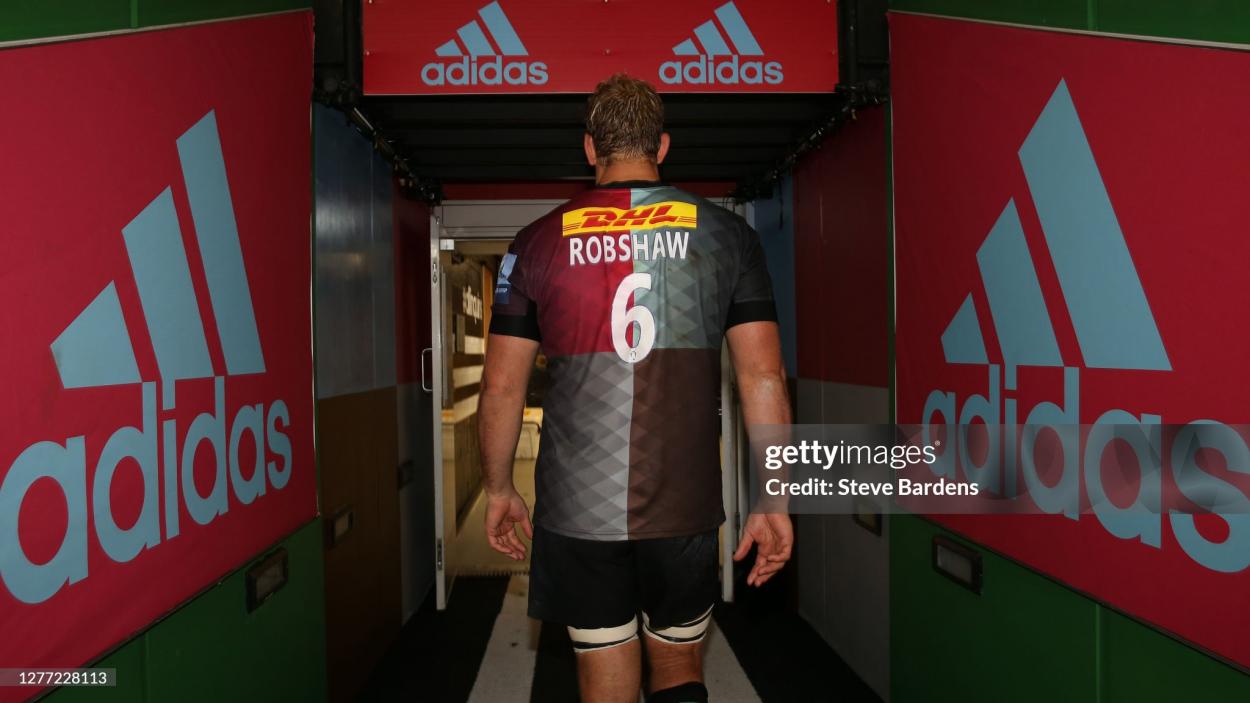
Australian internationals Matt Giteau and Adam Ashley-Cooper won a championship with the Los Angeles Glitinis in 2021, while other veterans enjoyed success in the same period such as Chris Robshaw (64 caps for England), Ben Foden (34, England), Kensuke Hatakeyama (78, Japan), Santiago Gonzalez Iglesias (41, Argentina) and DTH van der Merwe (61, Canada).
Nowadays the league relies less on grandiose names and instead emphasizes a homegrown pathway through the MLR Draft, which allows college talents a shot at the major level.
South America has also become a hotbed for talent, spearheaded by Miami Sharks owner and Argentine billionaire Marcos Galperin - with the team at time of writing employing 8 Argentines, 2 Uruguayans and a Chilean.
The All-MLR First Team in 2024 shows both the college and South America n influence in the league already, with 2022 first overall draft pick Sam Golla named as a first-teamer in 2023, and the Dallas Jackals' Argentine star Jeró Gómez Vara appearing in 2024.
The next few years in the MLR will be interesting. The league is appealing to young South Americans who want to establish themselves as ones to watch instead of playing a potentially lesser role in Super Rugby Americas or risking heading over to Europe, far from their own continent.
As for collegiate prospects, the pathway has never looked easier for ascending to the major level. Whether American born or bred, or an international player looking to play high-level rugby at both college and major level, the MLR Draft will not only benefit the domestic league. It should provide fresh blood for something just as important - the US national team.
The TV deal in place with ESPN for the upcoming season ensures a multi-year layer of security for MLR and select games will be shown on ESPN2 - meaning both streaming and cable viewers can watch. ESPN were no doubt motivated by the record attendance seen at last year's final - a total of 12,000 came to the Snapdragon Stadium in California to watch the New England Free Jacks beat the Seattle Seawolves 20-11.
"Major League Rugby has built a strong foundation as the premier professional rugby league in North America, and we’re thrilled to be part of its next phase of growth."
ESPN Senior Vice President, Tim Bunnell, on ESPN acquiring the MLR's broadcasting rights.
The Eagles are learning how to fly
International tournaments have never been a priority for the US, especially on the men’s side.
From the drama of the US Men’s National Team in soccer, or the inexperienced teams named in national basketball tournaments by Team USA (disregarding the 1992 and 2024 Olympics), a more down-to-earth and serious approach seems to be in place for the USA’s plan with international rugby.
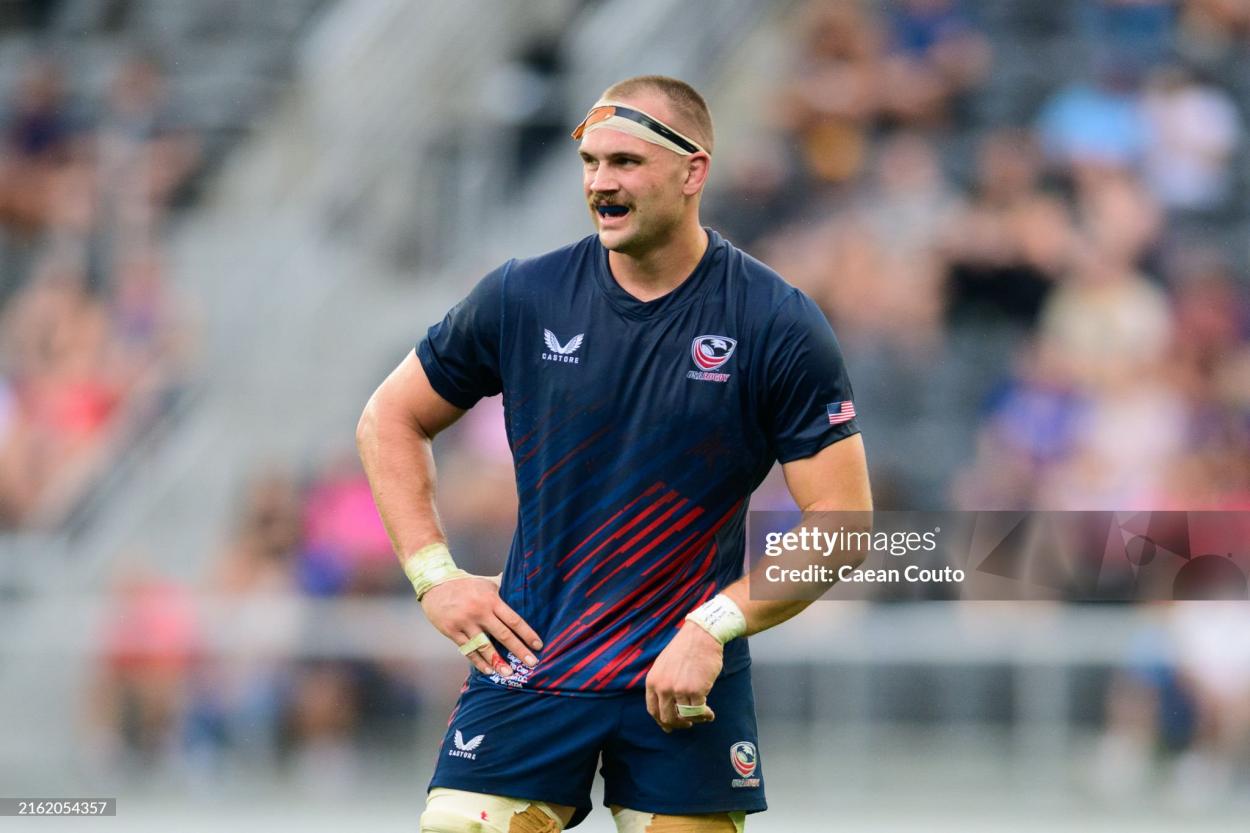
Of the 30 players named in the United States men’s national team for their November tests in 2024, 27 of these players plied their trade in MLR. This is a stark contrast to their 2019 Rugby World Cup squad, who had 12 players out of the 31-man squad playing in the MLR when the competition kicked off.

It is much easier for growing a national team if they regularly play with each other - examples being Uruguay with Peñarol and Chile with Selknam - or get regular playing time in their high-level domestic division - like Georgia's Didi 10 or Romania's Liga Națională de Rugby.
Georgia, currently ranked 11th in the world, have gone a step further with allowing their domestic talent a shot at consistent quality rugby. Black Lion took part in the 2024-25 EPCR Challenge Cup - with the Lions largely represented by internationally capped Georgia players that were free of obligation to their Didi 10-based team.
Perhaps the USA can take a leaf out of the book of Eastern Europe's best team, and debut a team in the Challenge Cup that takes the best American players from the MLR, plus a few internationals.
The Eagles are ranked 15th in the world at the moment, but will hope to maybe break into the top 10 by the time that the 2031 Rugby World Cup comes around - which is being played in America. If they can get some foreign long-term MLR players to declare for the USA internationally, that would add extra talent to an already decent squad.
The World Cup on home turf is seven years away though, and until then an emphasis on domestic improvement is a must. The good thing is that a lot of the hard work has been done already, and both marketing and money spending have been utilised effectively. On an international scale, it would not be outrageous to think that out of the Tier 2 nations that have a shot at breaking into Tier 1, the USA might have the best chance.
