




The College Football Playoff (CFP) committee has once again found itself at the center of controversy. On Tuesday night, the penultimate rankings for the season were released, and the decisions have left fans, analysts, and players questioning the committee’s motives and consistency. Most notably, Alabama, despite suffering three losses this season, climbed two spots to No. 11, while South Carolina, fresh off an impressive road victory over a top-12 opponent, moved up just one spot to No. 14. This disparity highlights what many believe is a recurring bias toward big-name programs like Alabama, further fueling frustrations over a flawed playoff system.
A History of Favoritism
The latest rankings are not an isolated incident. They are part of a pattern that has persisted throughout the CFP era. Alabama’s seemingly preferential treatment dates back years, with two glaring examples standing out:
ADVERTISEMENT
1. 2017 CFP Controversy: The committee selected an 11-1 Alabama team that failed to even qualify for the SEC Championship over Big Ten champion Ohio State. Critics argued that Alabama’s lack of a conference title should have disqualified them, but the Tide’s reputation carried the day.
2. 2022 Florida State Snub: Last season, Alabama was chosen over an undefeated ACC champion Florida State. The justification? The Seminoles had lost their starting quarterback to injury late in the season. While Alabama’s one loss to a strong opponent was deemed acceptable, Florida State’s perfect record wasn’t enough due to circumstances beyond their control.
These decisions have cemented a perception that Alabama enjoys a unique safety net. The committee seems willing to overlook flaws in the Crimson Tide’s résumé that would disqualify less prominent programs. Tuesday’s rankings further solidify this perception, as Alabama finds itself well-positioned for a strong bowl game, if not a playoff berth, despite a season that would have spelled doom for most teams.
South Carolina: The Overlooked Underdog
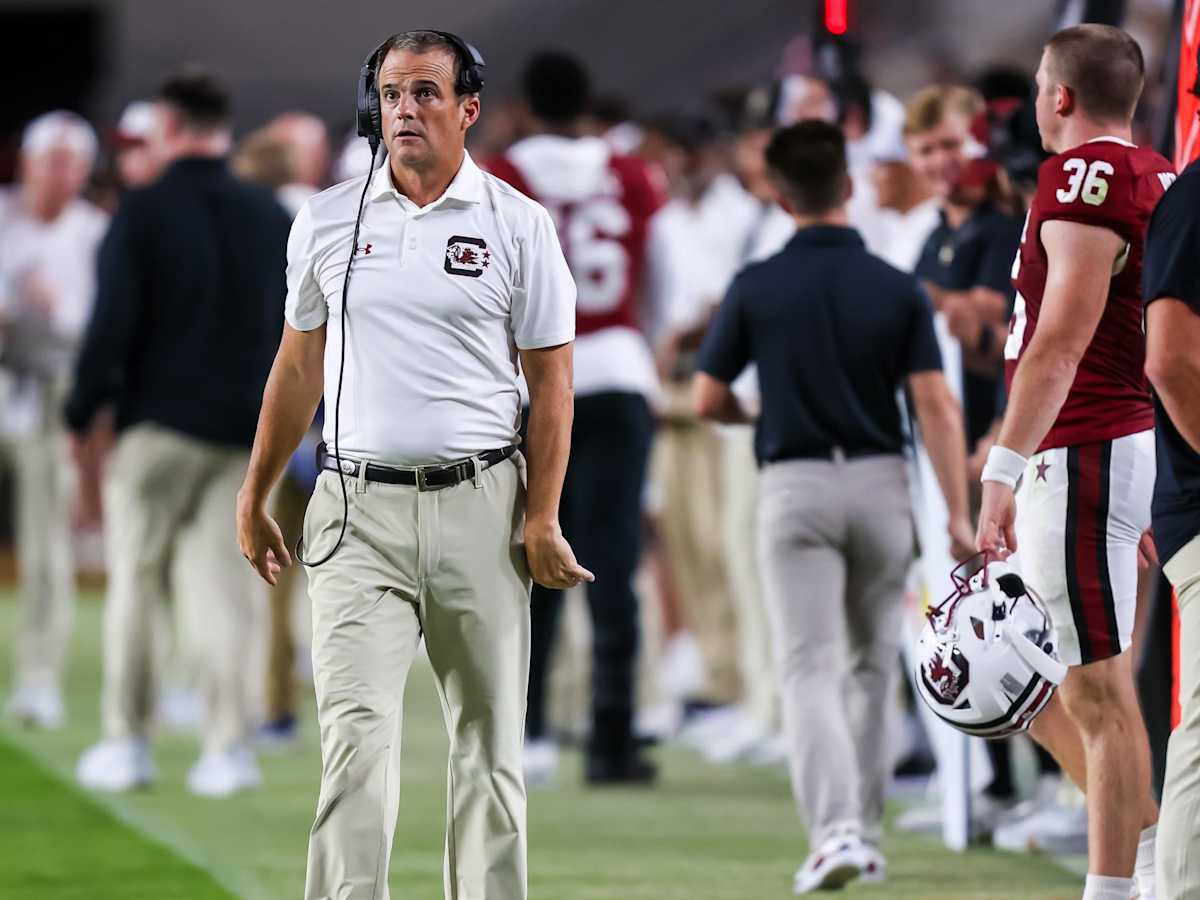
South Carolina’s case presents a stark contrast to Alabama’s treatment. The Gamecocks have fought through a grueling schedule this season, stringing together six consecutive wins and capping their run with a victory over then-No. 12 Clemson on the road. Yet, their reward for this accomplishment was a meager one-spot climb in the rankings, from No. 15 to No. 14.
ADVERTISEMENT
South Carolina’s strength of schedule is among the toughest in the country. They faced off against Alabama, Ole Miss, and Clemson—all top-tier programs—while also navigating the SEC’s notoriously competitive landscape. In comparison, some teams ranked ahead of them, such as Indiana, have faced far less challenging slates. Indiana, for instance, is 11-1 and in playoff contention despite its most notable win being against a 7-5 Michigan team. The Hoosiers’ lone loss, a 38-15 blowout at the hands of Ohio State, underscores the disparity in competition levels between teams like Indiana and South Carolina.
Yet, the committee seems indifferent to South Carolina’s achievements. The Gamecocks have defeated teams that handed Alabama two of its losses—Vanderbilt and Oklahoma—by 21 and 26 points, respectively. Despite this, South Carolina remains behind Alabama in the rankings, a decision that has left many scratching their heads.
Inconsistent Criteria and Contradictions
The CFP committee’s decision-making process has long been criticized for its lack of transparency and consistency. This season’s rankings only add to the confusion. For example:
Head-to-Head Results: Earlier in the season, Alabama was ranked ahead of Tennessee despite the Volunteers having a head-to-head victory over the Tide. Conversely, the committee justified ranking LSU ahead of South Carolina earlier in the year by citing LSU’s head-to-head win over the Gamecocks. Now, South Carolina finds itself behind Alabama and Ole Miss, teams they’ve arguably outperformed.
ADVERTISEMENT
Strength of Schedule: The committee claims to value strength of schedule, yet South Carolina’s arduous slate seems to have counted against them. Meanwhile, teams with softer schedules, like Indiana, are rewarded for their win-loss record alone.
Punishment for Losses: Alabama’s three losses include defeats to two 6-6 teams, Vanderbilt and Oklahoma. South Carolina’s three losses, by contrast, came against Alabama, Ole Miss, and LSU—all ranked teams. Yet, the Gamecocks’ losses are treated as more damning.
Selection committee chair Warde Manuel’s comments on Tuesday only added to the frustration. When asked why teams not playing in conference championship games, like South Carolina, would remain static in the rankings, Manuel stated, “There’s no data points to support them.” This rationale seems to ignore South Carolina’s recent victory over a top-12 Clemson team, a win that would surely boost any other program’s playoff hopes.
The Implications of Scheduling Tough Opponents
One of the most troubling aspects of the CFP rankings is the message it sends to teams: scheduling tough opponents doesn’t pay off. South Carolina’s season is a case study in this flawed logic. The Gamecocks played a brutal schedule, faced multiple ranked opponents, and emerged with several impressive wins. Yet, their playoff hopes were effectively dashed by the committee’s unwillingness to reward their efforts.
ADVERTISEMENT
If strength of schedule doesn’t matter, why should teams like South Carolina bother scheduling challenging non-conference opponents? Why risk playing powerhouse programs like Clemson, Virginia Tech, or Coastal Carolina when games against weaker teams like Akron or Wofford would achieve the same result in the rankings? By failing to reward teams for taking on tough schedules, the CFP system incentivizes programs to pad their records with easy wins.
The Big Brand Bias Problem
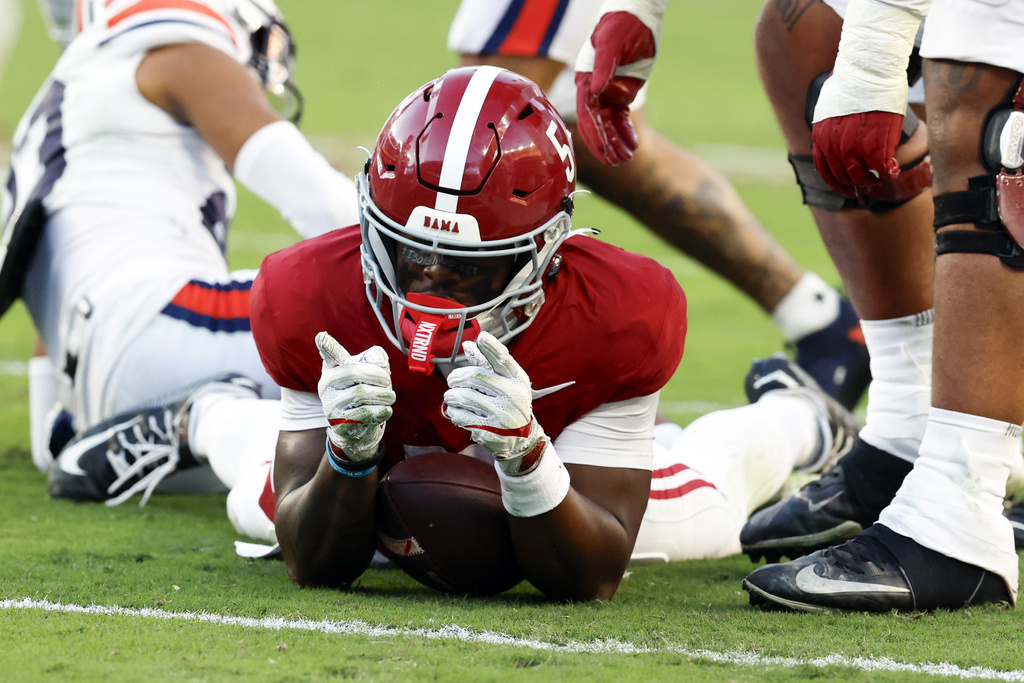
At its core, the issue boils down to what many perceive as “big brand bias.” The committee’s decisions consistently favor historically dominant programs like Alabama, regardless of their performance in a given season. This bias undermines the integrity of the playoff system, making it feel more like a popularity contest than a merit-based competition.
The implications of this bias extend far beyond South Carolina. Programs across the country have taken note of how the committee operates. Smaller or less established programs may feel that no matter how well they perform, they’ll never receive the same consideration as a brand-name powerhouse. This perception threatens to erode trust in the CFP system and diminish the excitement surrounding the playoff race.
A Call for Change
The CFP system is undeniably flawed, and Tuesday’s rankings are just the latest example of its shortcomings. Fans, analysts, and even some coaches have called for changes to the system, including increased transparency, a more consistent set of criteria, and an expansion of the playoff field. Expanding the playoff to include more teams could help level the playing field, giving underdog programs a fair shot at competing for a national championship.
ADVERTISEMENT
For South Carolina, the playoff dream is officially over. Their season will likely conclude with a respectable bowl game in Florida, but the sting of being overlooked will linger. Meanwhile, Alabama, buoyed by its reputation and the committee’s apparent favoritism, will continue to thrive in a system that seems tailor-made for them.
A Flawed System
Tuesday night’s rankings were a sobering reminder of the challenges facing college football. The CFP committee’s decisions not only undervalue the accomplishments of teams like South Carolina but also perpetuate a system that prioritizes brand recognition over merit. Until meaningful changes are made, the perception that the CFP is biased and inconsistent will persist, casting a shadow over the sport’s most important competition.
For now, South Carolina joins a long list of teams that have been left on the outside looking in, victims of a system that seems unwilling to reward their hard work and resilience. As the playoff field takes shape, one thing is clear: when in doubt, the committee will always roll with the Tide.
ADVERTISEMENT
