


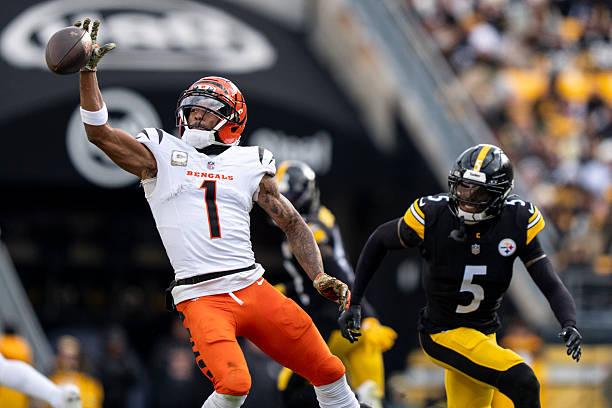

What separates a good wide receiver from an elite one in the NFL is not just stats — it is a combination of skill, consistency, and intelligence.
The best players at the position dominate in every aspect, from route running to mental preparation, they do not just react to the game — they control it.
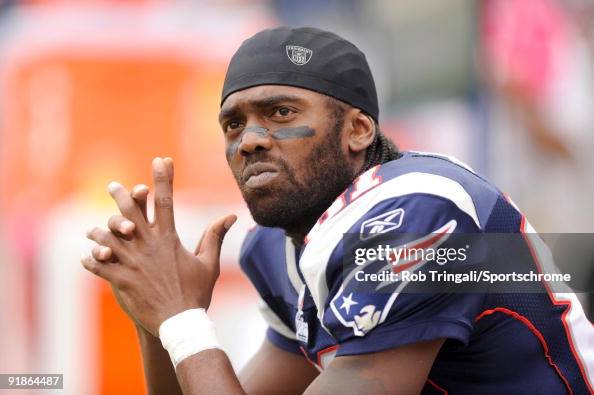
By looking at some of the NFL's best and brightest you can begin to break down what it truly means to be elite.
Route Running Precision
"Route running is an art" said all-pro wideout Davante Adams and elite receivers across the league prove this every day, players like Justin Jefferson and Stefon Diggs win their routes with sharp cuts and intricate timing.
Beyond technique, elite receivers understand how to set up defenders throughout a game, they may run similar routes early on to establish a pattern, only to break it later for a big play.
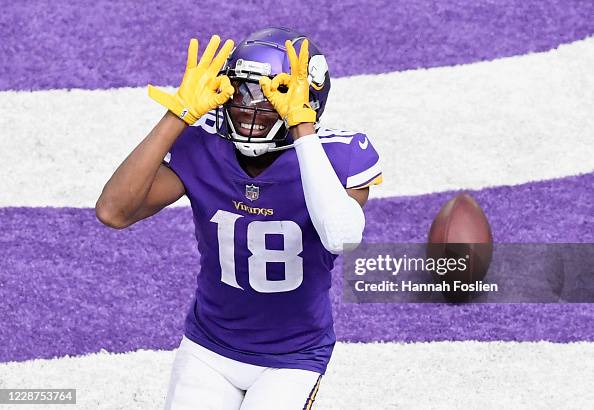
This strategic approach forces defenders to hesitate, creating valuable separation. Consistency in route depth and timing also builds trust with quarterbacks, making the passing game more effective.
What separates the receiving position is the fact that you need more than just speed to beat elite NFL defenses, elite players need to understand how to manipulate coverages, this helps keep drives alive and places teams in scoring positions.
Hands and Catch Radius
"You have got to catch everything that comes your way," a quote from pro bowl receiver DeAndre Hopkins, known for his elite hands and massive catch radius.
Similarly, Tampa Bay Buccaneers' long-time target Mike Evans uses his size to dominate contested catches and make himself a reliable target for any quarterback throwing his way.
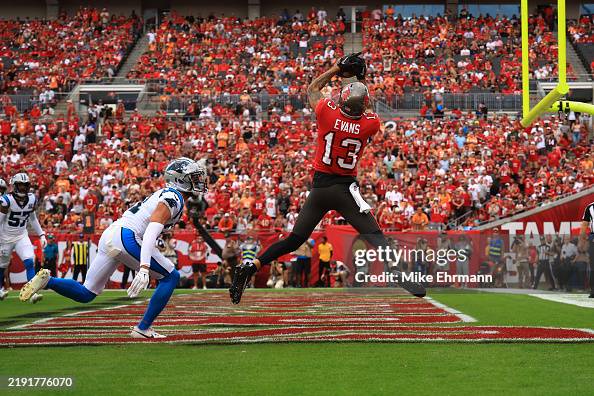
Elite receivers also excel at tracking the ball in the air, adjusting their bodies mid-route to maintain positioning, whether it’s a deep throw over the shoulder or a pass in tight coverage, their focus never wavers.
Strong hands combined with body control allow them to secure catches through contact, making them dependable targets in any situation.
These receivers use their elite lack of drops and huge catch radius to keep the chains moving, becoming a reliable outlet for signal callers around the league.
Football IQ
Cooper Kupp who once almost eclipsed 2000 yards discussed his IQ, and he famously said, "I see the game like a QB sometimes," This highlights the often-underdiscussed mental side of the position.
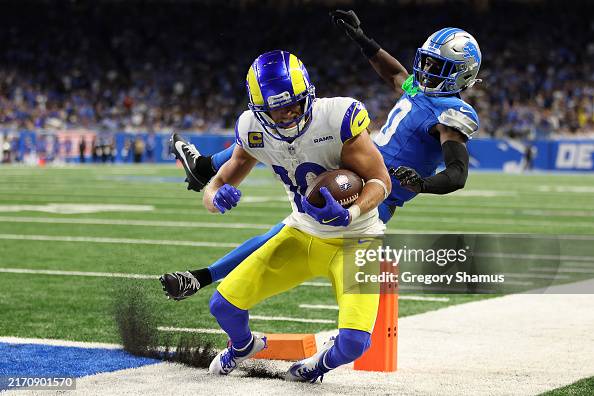
Truly elite receivers do not rely on their athleticism and instead spend hours studying defenses — for example, Keenan Allen who often uses his knowledge to expose holes in coverages.
Preparation plays a major role in this method of play, it also means that a player's play style changes from game to game depending on the area of the field they wish to exploit.
They understand when to sit in a zone, when to break deeper, and how to communicate subtle adjustments with their quarterback, this mental connection often leads to big plays, especially against complex defenses.
Physical and Mental Toughness
“Big-time players make big-time plays in big-time games,” a mindset embodied by Ja'Marr Chase.
A.J. Brown also represents this edge, combining physical strength with confidence to fight through defenders. Elite receivers embrace contact, pressure, and expectations delivering when it matters most.
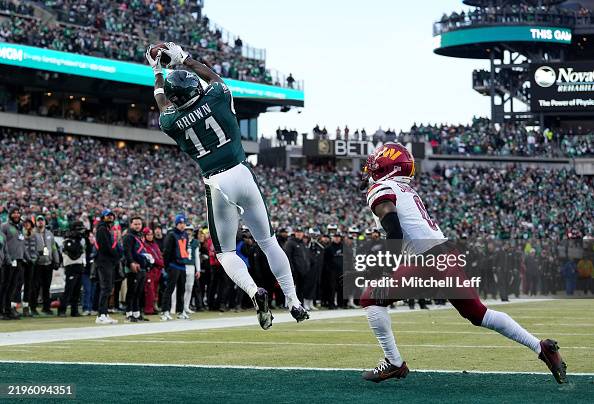
Toughness also means resilience over a long season receivers deal with injuries, tight coverage, and constant physical demands, yet still perform at a high level.
Mentally, they must stay confident even after drops or quiet games. This ability to reset and respond defines elite players, allowing them to consistently impact games when their team needs them most.
The Big Moments
Some of the biggest plays of the last 20 years have been made by this position, the helmet catch, Minneapolis Miracle and OBJ's infamous one hander.
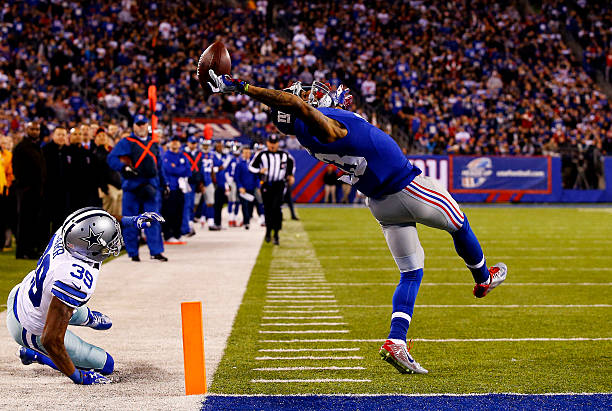
Receivers create moments!
