


The Clutch Performer Mindset That Defines NFL Greatness
<span style="color: rgb(8, 8, 8); font-family: Lato, sans-serif; font-size: 14px; font-style: normal; text-align: start;">(Original Caption) Miami, FL: Bart Starr # 15 of the Greenbay Packers is shown Passing the Ball during the 1968 Superbowl against the Oakland Raiders.</span>

Clutch performers define the NFL’s biggest moments. When pressure peaks, they stay calm, focused, and decisive. Their mindset separates them from talented players who struggle when everything is on the line.

As Tom Brady said, “I didn’t come this far to only come this far.” That mentality drives players to rise when everything matters most.
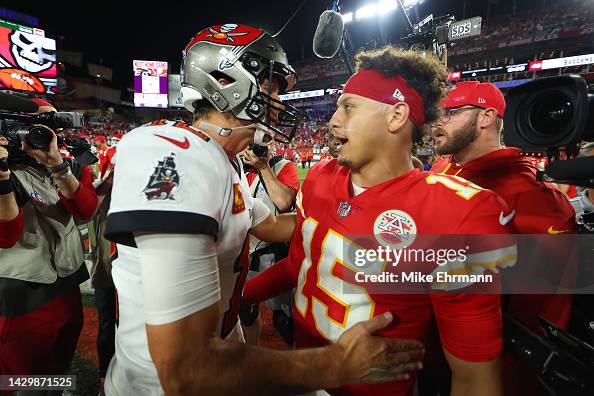
TAMPA, FLORIDA - OCTOBER 02: Patrick Mahomes #15 of the Kansas City Chiefs shakes hands with Tom Brady #12 of the Tampa Bay Buccaneers after defeating the Tampa Bay Buccaneers 41-31 at Raymond James Stadium on October 02, 2022 in Tampa, Florida. (Photo by Mike Ehrmann/Getty Images)

These athletes don’t avoid pressure — they chase it. They understand that legacies aren’t built in easy moments but in the seconds where everything is at stake.

Composure Under Pressure

Clutch players slow the game down. Noise fades, time feels controlled, and decisions become clear. While others panic, they operate with precision and focus.

Patrick Mahomes is a perfect example. Even when plays break down, he remains composed, scanning the field and delivering under pressure without hesitation.

KANSAS CITY, MISSOURI - JANUARY 18: Patrick Mahomes #15 of the Kansas City Chiefs reacts prior to the AFC Divisional Playoff against the Houston Texans at GEHA Field at Arrowhead Stadium on January 18, 2025 in Kansas City, Missouri. (Photo by David Eulitt/Getty Images)

Composure is trained, not gifted. Repetition in practice builds familiarity, allowing players to treat high-stakes moments like routine situations.

It also stabilizes the team. When leaders stay calm, teammates follow, reducing mistakes and improving overall execution in critical drives.

Confidence Without Doubt

Confidence is everything in clutch moments. Elite players trust their preparation and abilities, allowing them to act without hesitation when split-second decisions are required.

“I’ve always believed in myself,” said Aaron Rodgers. That belief allows players to attempt difficult plays others wouldn’t dare try.
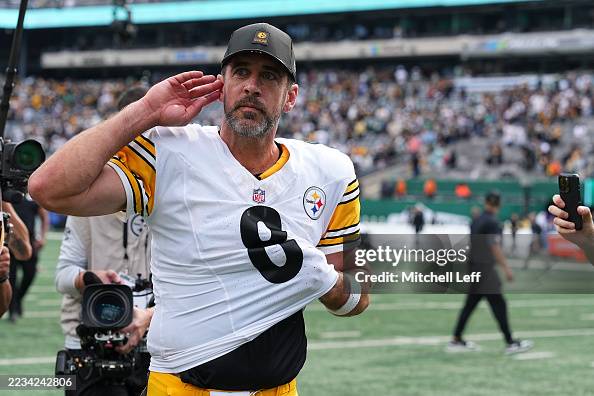
EAST RUTHERFORD, NEW JERSEY - SEPTEMBER 7: Aaron Rodgers #8 of the Pittsburgh Steelers reacts against the New York Jets after the game at MetLife Stadium on September 7, 2025 in East Rutherford, New Jersey. (Photo by Mitchell Leff/Getty Images)

Confidence comes from repetition and experience. The more players succeed in tough situations, the more they expect to succeed again.

This belief spreads quickly. When one player shows confidence, it lifts the entire team, creating momentum and trust during high-pressure moments.

Preparation Meets Opportunity

Clutch performances are built long before game day. Film study, repetition, and discipline prepare players for situations they haven’t even faced yet.

Peyton Manning was known for studying defenses obsessively. His preparation allowed him to recognize patterns instantly and exploit weaknesses under pressure.

MIAMI GARDENS, FL - FEBRUARY 04: Quarterback Peyton Manning #18 of the Indianapolis Colts celebrates with the Vince Lombardi Super Bowl trophy after winning the Super Bowl XLI 29-17 over the Chicago Bears on February 4, 2007 at Dolphin Stadium in Miami Gardens, Florida. (Photo by Jed Jacobsohn/Getty Images)

Preparation turns thinking into instinct. Players don’t need extra time to decide — they react immediately, which is crucial in fast-paced situations.

It also builds confidence. When players know they’ve done the work, they trust their decisions and execute without second-guessing themselves.

Short Memory and Resilience

Even the best players make mistakes. What separates clutch performers is their ability to move on instantly and focus on the next play.

Russell Wilson has shown this throughout his career, responding to setbacks by staying aggressive and confident in big moments.
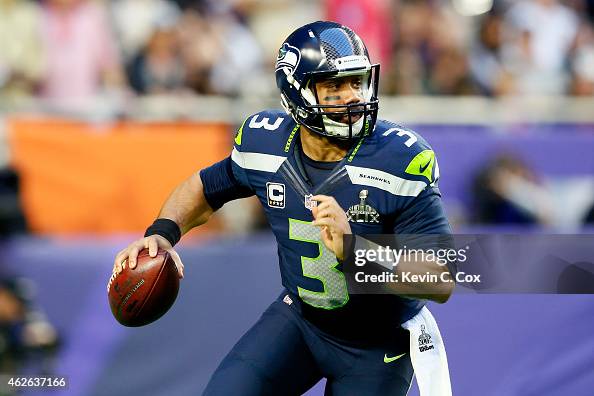
GLENDALE, AZ - FEBRUARY 01: Russell Wilson #3 of the Seattle Seahawks looks to pass in the first quarter against the New England Patriots during Super Bowl XLIX at University of Phoenix Stadium on February 1, 2015 in Glendale, Arizona. (Photo by Kevin C. Cox/Getty Images)

Dwelling on mistakes creates hesitation. Clutch players eliminate that hesitation by resetting mentally after every play, good or bad.

Resilience keeps momentum alive. It allows players to stay locked in, maintaining performance even after adversity strikes.

Delivering in Defining Moments

Clutch players want the ball when the game is on the line. They embrace responsibility and view pressure as an opportunity, not a burden.

Joe Montana built his legacy on this mindset, consistently delivering in critical situations and leading game-winning drives throughout his career.
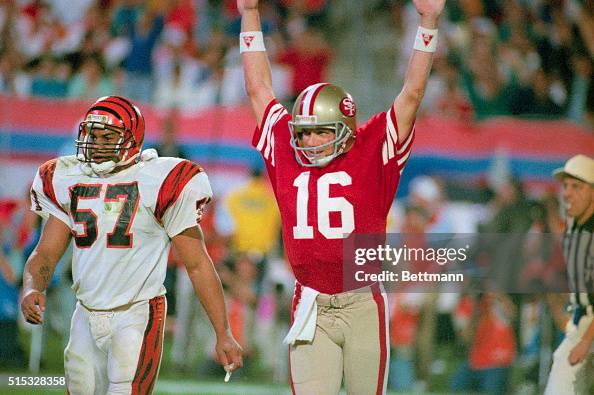
(Original Caption) 49ers quarterback Joe Montana raises his arm in celebration after throwing a touchdown pass to Jerry Rice in the fourth quarter. Bengal Sam Kennedy looks on.

Execution defines these moments. Fundamentals, timing, and decision-making all come together when the stakes are highest.

These players don’t just participate in big moments — they take control, shaping outcomes and defining games through their performance.

What Makes NFL Quarterbacks Clutch

The mindset of a clutch performer isn’t built overnight. It’s developed through preparation, confidence, resilience, and experience under pressure.

Players like Tom Brady, Patrick Mahomes, and Joe Montana didn’t become great by accident — they mastered the mental side of the game.
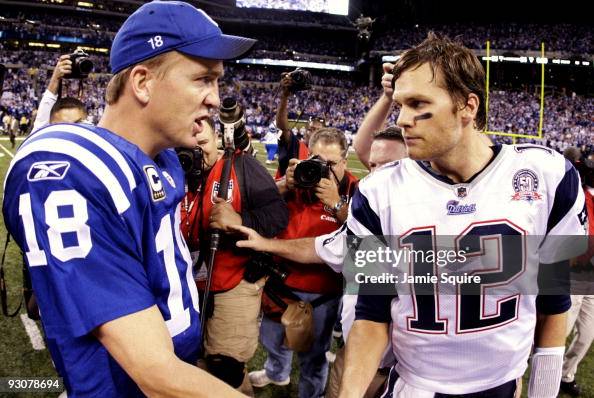
INDIANAPOLIS - NOVEMBER 15: Quarterback Peyton Manning #18 of the Indianapolis Colts greets Tom Brady #12 of the New England Patriots after the game at Lucas Oil Stadium on November 15, 2009 in Indianapolis, Indiana. The Colts won the game 35-34. (Photo by Jamie Squire/Getty Images)

Talent gets players to the NFL, but mindset defines their legacy. When the moment comes, clutch performers don’t hope to succeed — — they expect to.
