

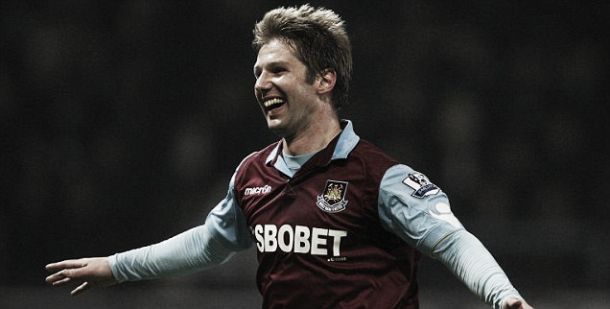

Retired German footballer Thomas Hitzlsperger has re-ignited the debate homophobia in football after revealing to a news outlet in his home country that he is gay. Football is known for not having many openly gay players, and no major players who have openly come out in the sport. For this reason, Hitzlsperger’s announcement has been such big news, when many people believe that it shouldn’t be.
It is fair to say that now there is a lot less stigma around homosexuality than there was a couple of decades ago, which is much the same with issues like racism as well. More players are starting to come out, with former Leeds United player Robbie Rogers coming out last year being one of them. However, the American immediately retired after he came out, like most do when they make such an announcement. Since then, he has put the boots back on to play for LA Galaxy, but the very fact that the midfielder had to retire after coming out as gay is worrying.
Many believe the reason that more players don’t come out is because of the reaction not just from the stands, but also from their teammates in the dressing room. Often when we see videos of the changing room, you get the feeling the atmosphere wouldn’t be the most comfortable for a gay player to reveal himself in, and as such the players who are gay don’t make the announcement for fear of how his fellow squad members may react.
Throughout history, there has been a number of characteristics falsely associated with being gay, such as being ‘soft’ and so on. Whilst these are clearly stereotypes that have no real truth behind them, there is still a deep belief for some people that anyone who is homosexual is also all of these things. That is another reason why any gay footballers would be reluctant to come out whilst still playing.
Justin Fashanu is perhaps the most high-profile footballer to have come out as gay. In 1990, the forward revealed in an exclusive interview with The Sun about his sexuality, before carrying on playing for another seven years. However, with rumours of him being an outcast and also allegations of sexual assault on a 17-year-old boy in America, the former Norwich forward fled back to England in May 1998, and unfortunately committed suicide because of the mounting pressures on him. This was less than 20 years ago, and for someone to have received that much persecution for who they are is disappointing.
Thomas Hitzlsperger spent much of his career playing at the top level. He made his name in England with Aston Villa, before returning to Germany to play for Stuttgart in 2005. He won the Bundesliga in 2007, and remained back in Germany for five years. Other clubs included Lazio, West Ham United, Wolfsburg and Everton, as well as playing 52 times for Germany’s national team. This shows that there could very easily be more homosexual players playing in some of the world’s top teams; as we know, there are several viable reasons as to why they may want to stay hidden.
Everytime a player like Hitzlsperger or Robbie Rogers comes out as gay, they encourage others to do the same. Whilst in a perfect world this would be the best-case scenario, I just can’t see it working like that. The stick off the terraces alone would be enough to make a player hugely regret announcing his sexuality, not to mention the other factors possibly involved – which is a shame, as football shouldn’t be limited by boundaries like sexuality. There is undoubtedly a lot of bravery involved in coming out as gay, and hopefully over the next few years, we’ll see a lot more players do as Hitzlsperger has done, and show their sexuality. Maybe, together, that stigma against homosexuality in football can end, and we can all just get back to the game instead of scrutinising the people in it for who they are.
