


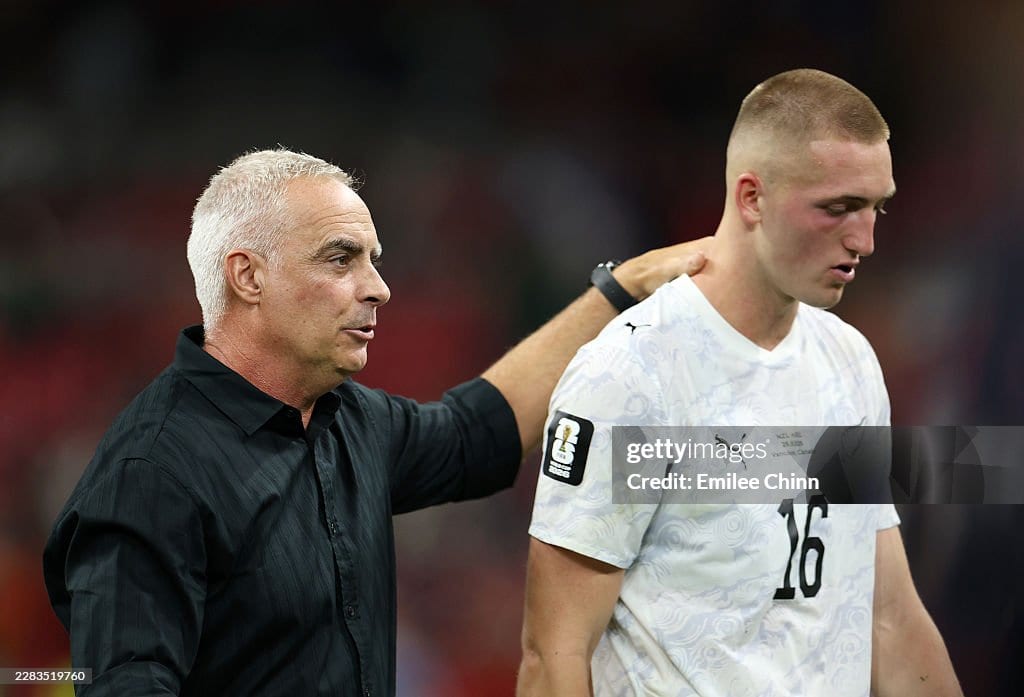

New Zealand's 5-1 defeat to Belgium ended their World Cup campaign, but the score line tells only part of the story. Darren Bazeley's side competed with admirable commitment throughout the group stage, yet against elite opposition they were exposed by one defining weakness: an inability to punish chances while preventing the opposition from doing the same.
Belgium arrived under pressure after drawing their opening two matches, but when opportunities presented themselves, they showed exactly why experienced tournament teams remain so dangerous. New Zealand, by contrast, worked tirelessly but were ultimately undone by clinical finishing and costly defensive lapses.
New Zealand Could Compete, But Not Capitalise
For long spells, New Zealand were far from overwhelmed.
Chris Wood battled tirelessly against Belgium's centre-backs, Elijah Just remained a lively outlet on the counter-attack, and Marko Stamenić worked relentlessly in midfield to disrupt Belgium's rhythm. The All Whites stayed organised for much of the first half and looked capable of frustrating a Belgian side that had struggled to score throughout the tournament.
The problem was what happened inside both penalty areas.
Belgium required very few clear openings to build their lead, while New Zealand repeatedly found themselves unable to turn promising moments into genuine scoring opportunities. At World Cups, the margin between competing and winning is often measured by efficiency rather than possession.
Against Belgium, that efficiency was entirely one-sided.
Belgium Punished Every Mistake
The Red Devils finally resembled the side many expected before the tournament began.
Leandro Trossard's movement constantly stretched New Zealand's defensive shape, while Kevin De Bruyne dictated the tempo with the quality that has defined his international career. Even when Belgium were not at their fluent best, they possessed players capable of changing the match in an instant.
After Trossard's second goal, New Zealand's structure inevitably became more open as they searched for a route back into the contest. Belgium exploited every gap.
De Bruyne added a third before Romelu Lukaku came off the bench to become Belgium's all-time leading World Cup goalscorer, with Alexis Saelemaekers completing the scoring in stoppage time. Every mistake was punished, highlighting the ruthless edge that separates established contenders from developing nations.
There Were Still Positives For The All Whites
Despite the heavy defeat, New Zealand refused to fold.
Just's late goal was a deserved reward for an energetic display and ensured the All Whites left the tournament with something to celebrate. Throughout the group stage, they showed they could compete physically and tactically with higher-ranked opponents, even if results ultimately failed to follow.
Players including Tyler Bindon and Liberato Cacace also gained invaluable experience against world-class attackers, experience that should benefit both club and country over the coming years. Coach Darren Bazeley was quick to point to the tournament as a learning opportunity for a relatively young squad rather than simply a disappointing ending.
Ruthlessness Is The Next Step
New Zealand's expanded World Cup experience should not be judged solely by the final standings.
They demonstrated organisation, resilience and a willingness to compete against stronger opposition. What they lacked was the clinical quality needed to swing tight moments in their favour.
Belgium showed what that looks like. Trossard, De Bruyne and Lukaku needed only brief opportunities to decide the match, while New Zealand's brightest moments rarely translated into sustained pressure.
That is the lesson the All Whites will take away from 2026. The foundations are there, but if they are to progress beyond the group stage at future World Cups, they must become more ruthless at both ends of the pitch. Against Belgium, that was the difference between a respectable performance and a heavy defeat.
