



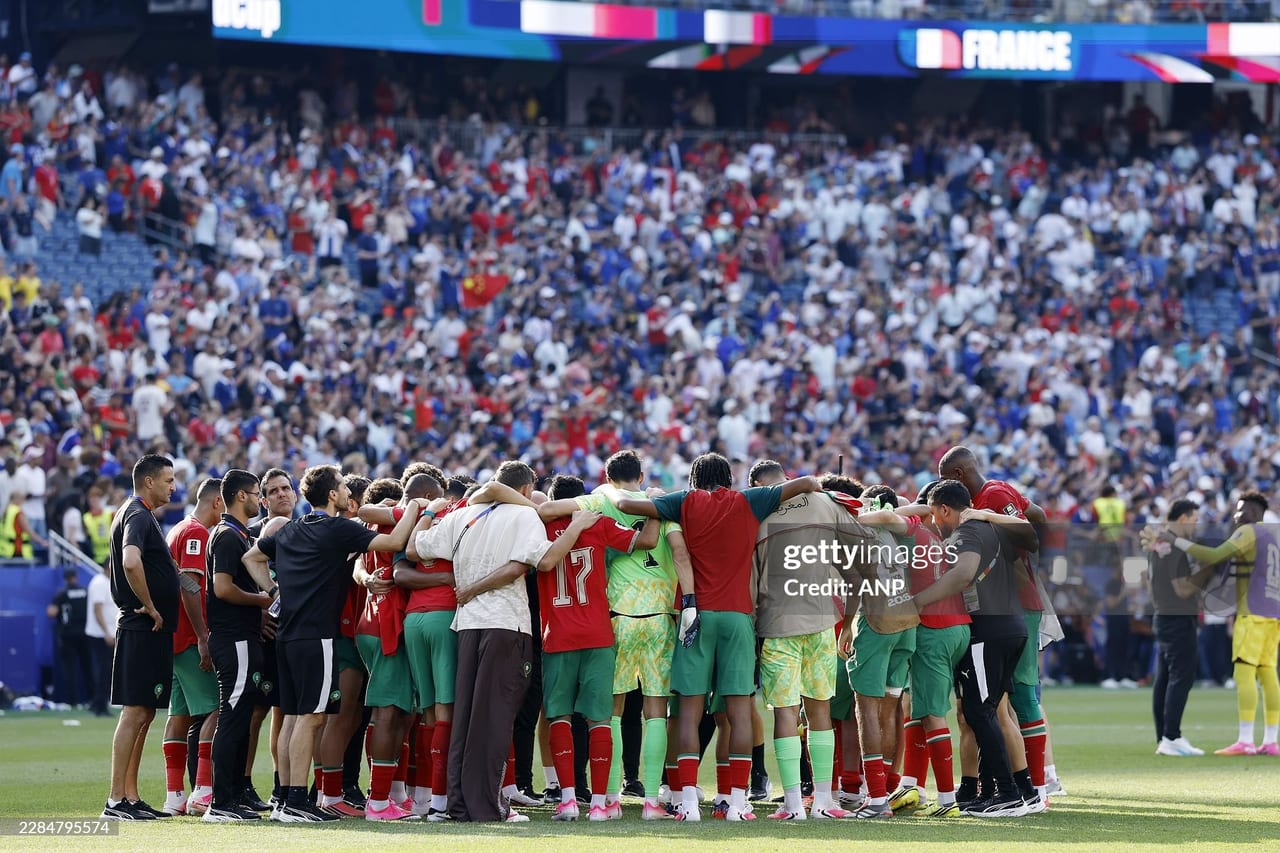

To say France were on top in the opening period would be a significant understatement. Didier Deschamps’ side were all over Morocco who rarely had a foray in their half as like in their round of 16 victory over Canada, the Atlas Lions failed to register a single shot in the first-half.
For a nation blessed with such an abundance of attacking talent, Mohamed Ouahbi's commitment to expansive, front-foot football simply couldn't be unleashed against a side of France's calibre.
They managed to hold firm defensively, although Kylian Mbappe had his spot kick saved by Yassine Bounou, but the quality of Les Bleus ultimately shone through in a six-minute spell where the Real Madrid forward broke the deadlock before Ousmane Dembele doubled the initiative.
Saibari setback
Morocco always knew that they wouldn’t be able to express as much freedom going forward compared to previous opponents with France’s frightening forward line being able to instantly expose the smallest of mistakes.
Nonetheless, the absence of talisman Ismael Saibari, who had netted three goals in the tournament and has recently signed for Bayern Munich, was always going to be a major blow as he is the focal point of their attacks.
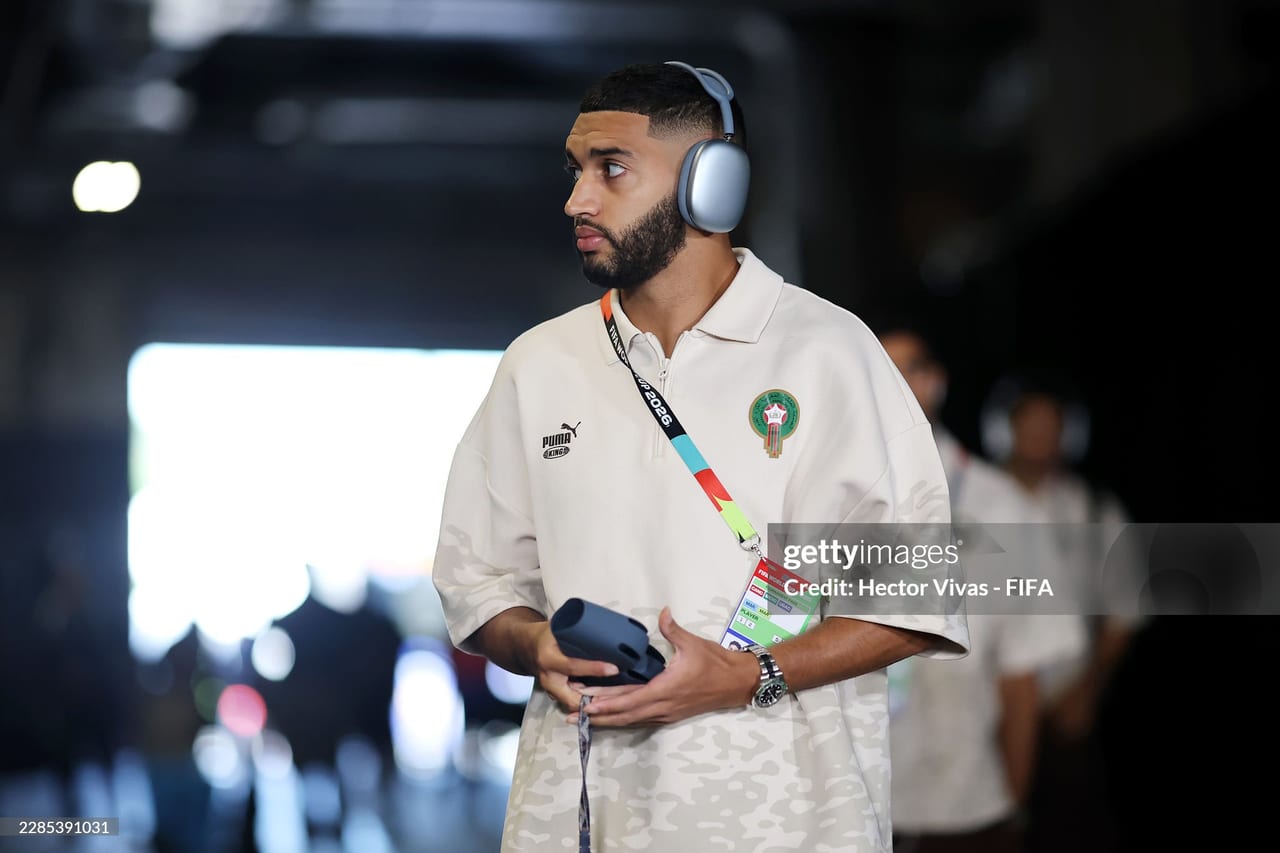
When the 25-year-old was taken off in the first-half against Canada, Ouahbi opted for a like-for-like replacement as Soufiane Rahimi was introduced and made a strong claim for a starting spot against France with a composed finish for Morocco’s third.
With it being confirmed that Saibari’s hamstring issue would rule him out of the quarter-final, a critical decision had to be made to remain with the Al Ain forward or bring in an unconventional striker to try and replicate Saibari’s creativity.
It proved to be the latter as Sunderland’s Chemsdine Talbi started as a makeshift number nine but the immense physicality of France’s centre-back duo of William Saliba and Dayot Upamecano meant he was afforded few meaningful opportunities.
They weren’t committing many players forward compared to their previously expansive games with Brahim Diaz having next to no support going forward and inevitably being dispossessed very quickly due to a lack of options.
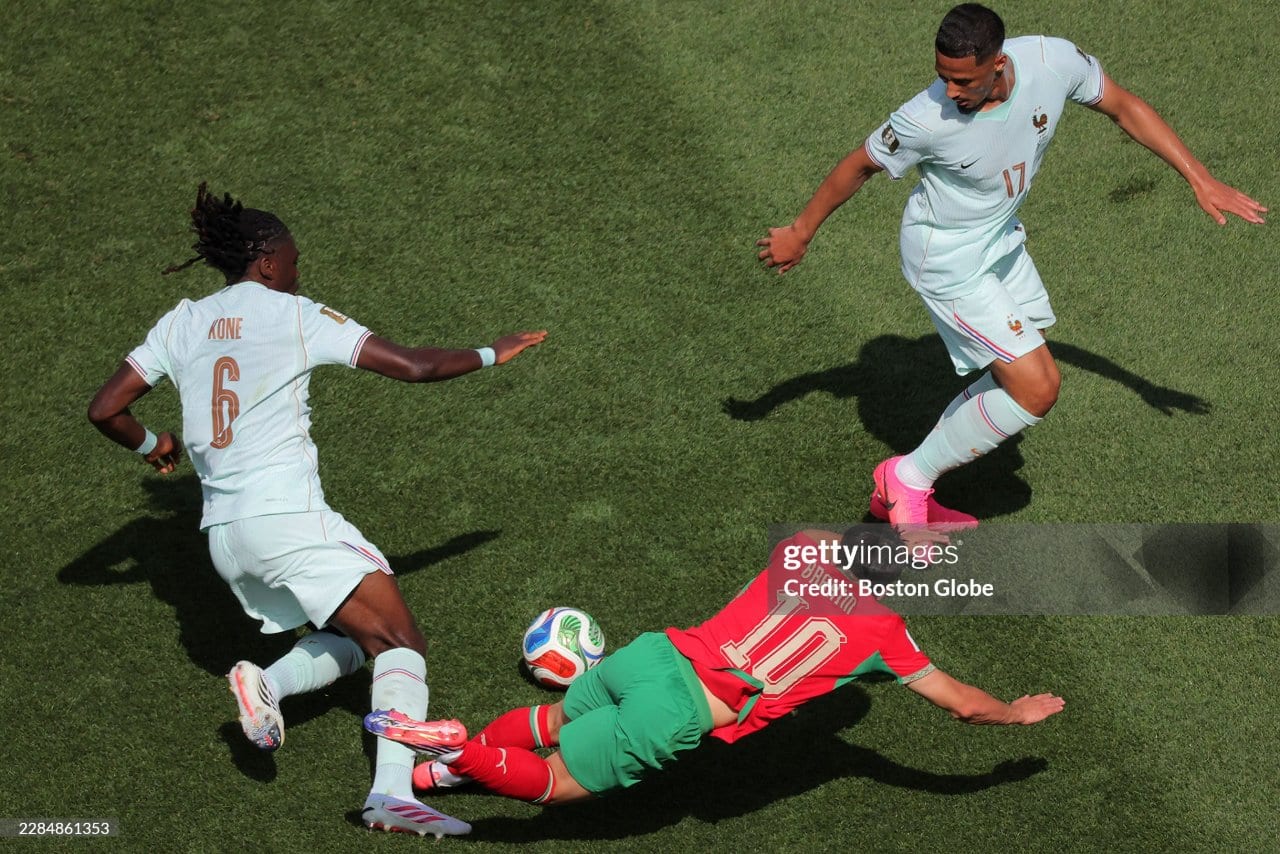
The unavailability of Saibari reduced Morocco's already remote chances of pulling off a shock victory as they offered little invention in attack.
Too much respect given to France?
Morocco's opponents have firmly established themselves as favourites to lift the FIFA World Cup next week and it is easy to see why.
Their distinct lack of weaknesses across the whole squad, with perhaps Lucas Digne of Aston Villa serving as the only weak link at left-back, means they are able to adapt to whatever the opponents throw at them with exceptional depth and quality from the bench.
The Atlas Lions weren’t afraid to play out from the back, particularly in the opening exchanges of the first-half, yet there appeared to be a dearth of ideas on the rare occasions they managed to beat France's formidable press.
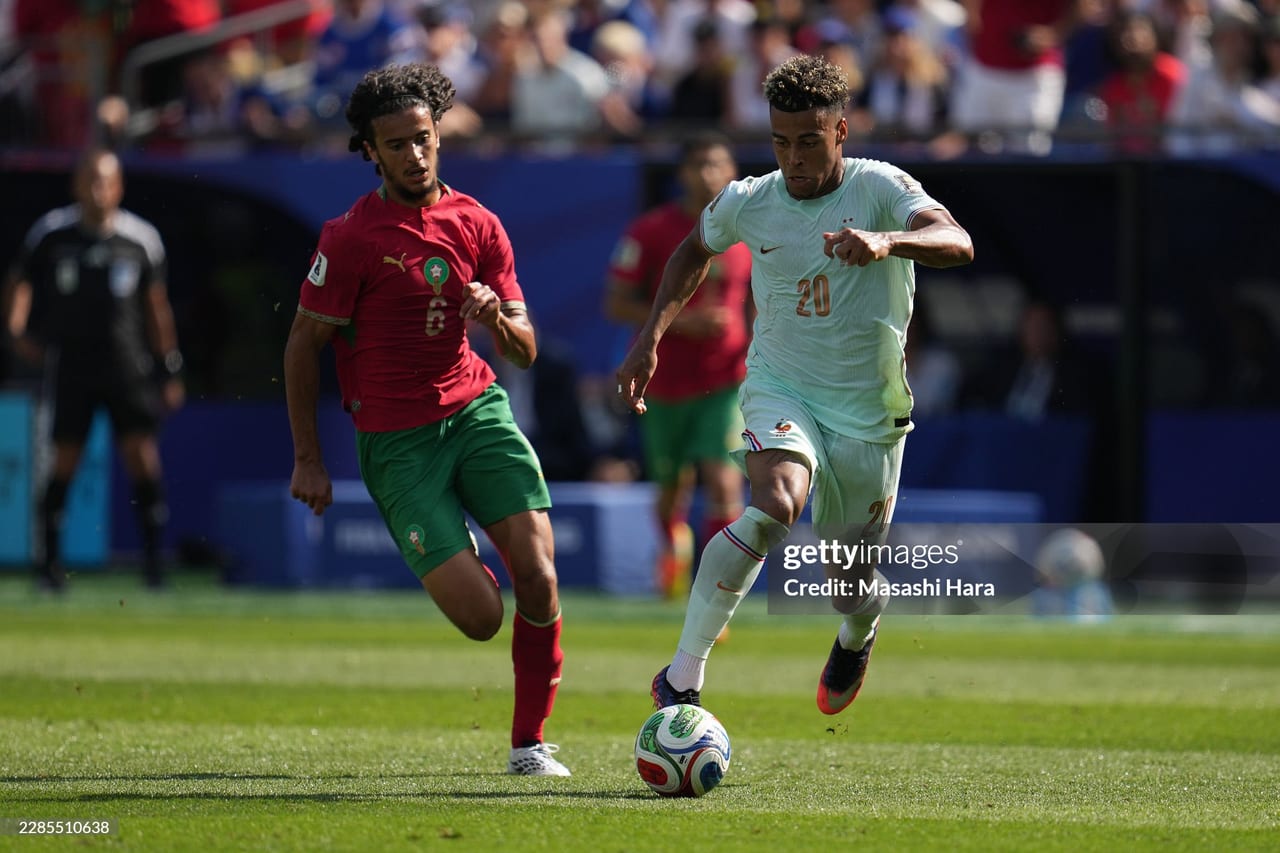
The game’s slow tempo suited them down to the ground for the most part as they focused on defensive foundations and being assured in possession.
Although they had to remain extremely mindful of France's attacking quality, Morocco also needed to believe in their own abilities to hurt the opposition but they ultimately failed to show that.
Perhaps influenced by Saibari’s absence, this massively hampered their confidence to go forward and although France did create a handful of half-chances in the first-half, they didn’t test Bounou on many occasions.
This is the balance which has to be executed when playing against a top side, being able to manage defensive responsibilities while creating threats of their own.
Morocco demonstrated in their curtain-raiser against Brazil that they possess the quality to dictate play against elite opposition but France ultimately proved a step too far.
