


ADVERTISEMENT
The Miami Marlins are a professional Major League Baseball (MLB) team based in Miami, Florida. They compete in the National League East Division and are known for their ability to achieve success at critical times, despite being a relatively young franchise in the MLB. Originally founded as the Florida Marlins in 1993, they have won the World Series twice, in 1997 and 2003, despite never winning a division title. Known for their innovative approach both on and off the field, the Marlins have established a significant presence in their community, actively participating in various charitable and youth development initiatives Miami Marlins Foundation.
Emergence of a New Franchise
The history of the Miami Marlins, a prominent professional team in Major League Baseball (MLB), begins with an important milestone in 1991. This year marked a significant change in the professional baseball landscape when MLB awarded an expansion franchise to Wayne Huizenga, then CEO of Blockbuster Entertainment Corporation. This decision was in recognition of baseball's growing popularity and the need to expand the game to new geographic areas.
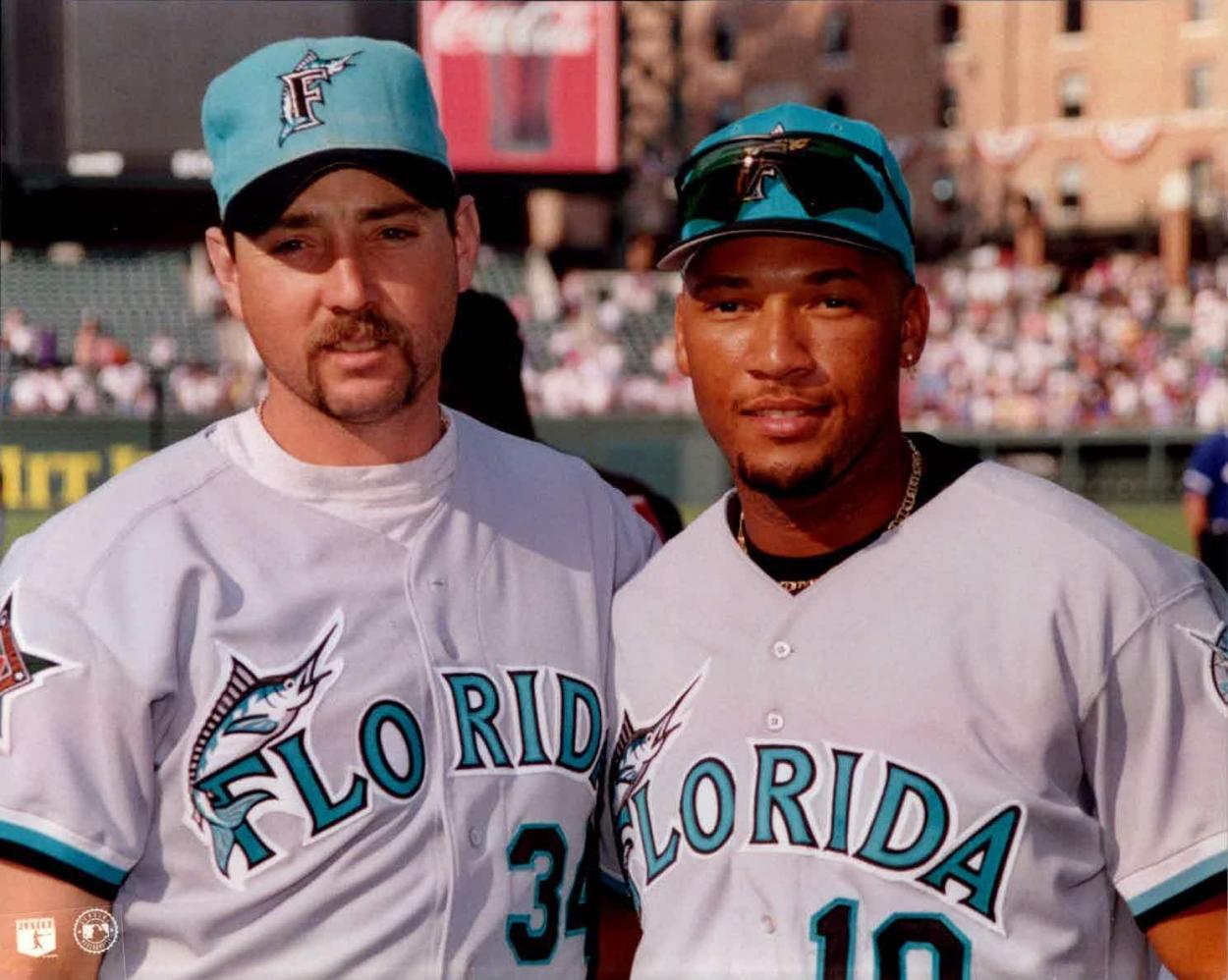
With a substantial investment of $95 million as an expansion fee, the Marlins began operations in 1993, originally known as the Florida Marlins. This name reflected not only their geographic location but also the spirit and culture of the region. In its early days, the team shared Joe Robbie Stadium, also known as Pro Player Stadium, with the famous American soccer team, the NFL's Miami Dolphins. This stadium, located in Miami Gardens, Florida, witnessed the Marlins' first steps in the league, and although it was initially built for soccer, it was adapted to host exciting baseball games.
| Year | Games Won | Games Lost |
|---|---|---|
| 1993 | 64 | 98 |
This early period was crucial in establishing the fan base and identity of the team. The choice of Miami as the home of the new franchise was no accident. Miami, a city known for its diversity and cultural energy, offered a vibrant and passionate sports environment, creating the perfect setting for a new and ambitious team.
Major League debut
The 1993 Major League debut of the Miami Marlins (then known as the Florida Marlins) was a significant moment in baseball history. Under the direction of manager Rene Lachemann, a former catcher who had previously managed the Seattle Mariners and Milwaukee Brewers, the Marlins began their first MLB season with high expectations.
The Marlins' first game took place on April 5, 1993, against the Los Angeles Dodgers, in which they emerged victorious. This game not only marked the franchise's start in the Major Leagues, but also set the tone for the team's future. Charlie Hough, a veteran knuckleball pitcher, was the starter in that historic game. His performance, along with that of other key players, was instrumental in establishing the Marlins as a competitive team early on.
One player who quickly emerged as a central figure was Jeff Conine. Nicknamed "Mr. Marlin," Conine stood out for his offensive prowess and became a fan favorite. His contribution to the team in the inaugural season was vital, and his presence on the field helped cement the Marlins' reputation as a team worthy of MLB attention.
The Marlins' inaugural season was a period of learning and growth. Although they did not make the playoffs that year, their performance was respectable for a new team. They finished the season with a 64-98 record, which was considered a reasonable accomplishment for an expansion franchise.
First MLB World Series Championship (1997)
1997 was a historic year for the Miami Marlins. Under the direction of experienced manager Jim Leyland, the Marlins embarked on a campaign that would culminate in their first World Series title. This team was a unique blend of seasoned veterans and emerging young talent.
Key Veterans: One of the most outstanding players was Moises Alou, known for his offensive ability and experience in high-pressure games. His leadership and consistent performance were critical to the team's morale and success.
Young Talent: The Marlins also benefited from the energy and talent of younger players such as Luis Castillo and Édgar Rentería. Rentería, in particular, played a crucial role in the World Series, scoring the winning hit in Game 7 against the Cleveland Indians.
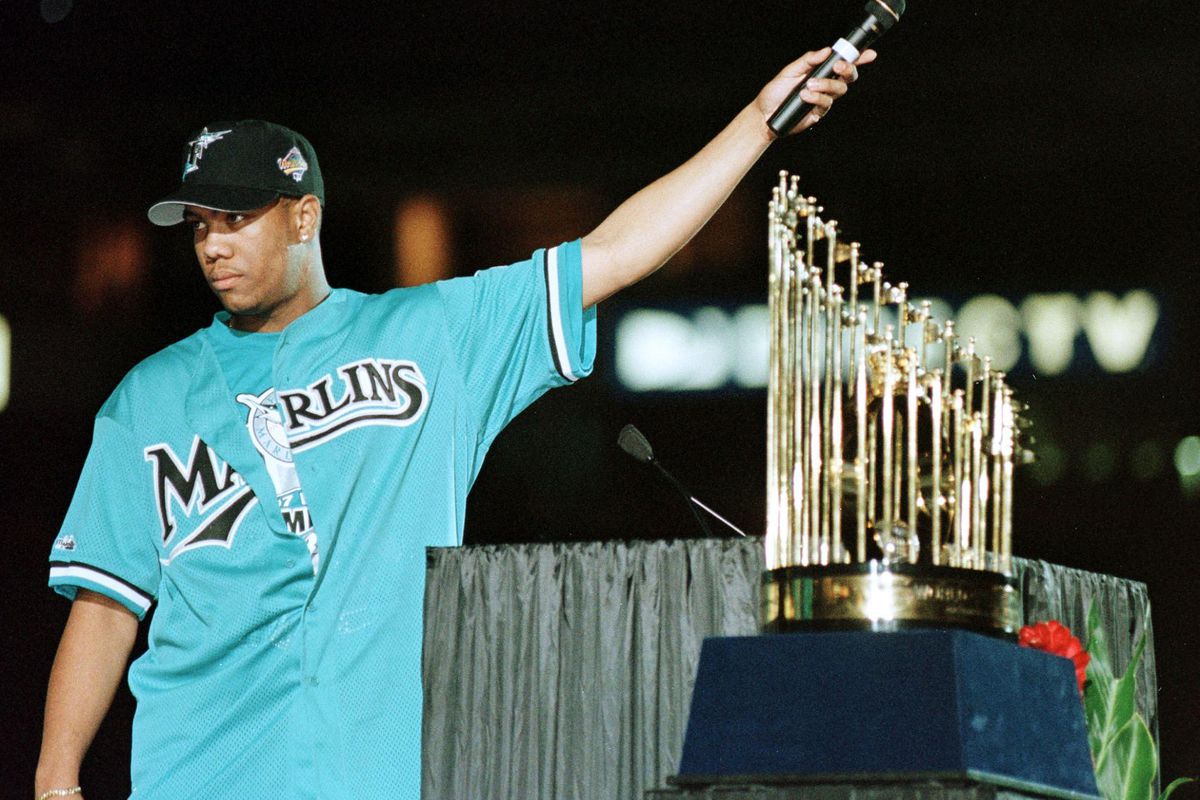
The Marlins' victory in this World Series was notable for being the first time a wild card team had won the championship. This win not only put the Marlins on the Major League map as a franchise capable of competing at the highest level, but also proved that a team with the right combination of experience and youth could succeed on baseball's biggest stage.
Second MLB World Series Win (2003)
The 2003 season marked another golden chapter in Marlins history. This year, the team, led by Jack McKeon, showed incredible skill and determination, leading them to their second World Series title.
Key additions: Pitcher Dontrelle Willis and power hitter Miguel Cabrera were significant additions to the team. Willis, known for his distinctive style and effectiveness on the mound, and Cabrera, who proved to be a fearsome hitter, played pivotal roles in the Marlins' campaign.
Return of a Hero: Jeff Conine, a member of the 1997 championship team, returned to the Marlins and brought his experience and skill, strengthening the team on its way to the World Series.
Victory Against the Yankees: In the World Series, the Marlins faced the mighty New York Yankees. This series was a classic David vs. Goliath showdown, with the Marlins overcoming expectations and proving their worth on the field. The Marlins' 2003 World Series victory was celebrated as a triumph of team spirit and shrewd strategy over mere power and prestige.
These two World Series championships are not only milestones in Marlins history, but also iconic moments in baseball history, proving that with the right strategy, talent and determination, any team can achieve baseball glory.
New Era at LoanDepot Park
The opening of LoanDepot Park in 2012, formerly known as Marlins Park until 2021, marked the beginning of a new era for the Miami Marlins. This change not only represented a change in location, but also a significant rebranding of the team from Florida Marlins to Miami Marlins. The park is located on the site of the former Miami Orange Bowl in Little Havana, about 2 miles west of downtown Miami.
LoanDepot Park was designed specifically for baseball, highlighted by its retractable roof, a key feature given Miami's hot and humid climate. This roof is capable of opening or closing in approximately 13 minutes, which avoids any rain delays and significantly enhances the experience for fans and players. With a seating capacity of 37,442, it is one of the smallest stadiums in the MLB by official capacity.
The stadium is also notable for its futuristic design, which departs from the traditional retro style of other ballparks. Distinctive features include retractable glass panels in left field, which offer a panoramic view of the Miami skyline, and a variety of unique amenities and attractions such as the Home Run sculpture and the Bobblehead Museum.
Community Engagement through Charitable Foundation
The Miami Marlins Foundation, as the team's official charity, plays a crucial role in the South Florida community. The Foundation's mission is to make a positive impact by creating opportunities for young people to be active, achieve academic success and develop leadership skills. Its programs focus on three main pillars: wellness, empowerment, and youth baseball and softball.
Wellness: The foundation's wellness programs address challenges students face in achieving academic success, including food security, healthy eating habits and physical fitness. These programs are designed to help youth overcome barriers and thrive in both school and recreational activities.
Empowerment: In the area of empowerment, the foundation focuses on providing college scholarships and educational resources for students and teachers. These programs aim to provide the tools and support necessary for leadership development and academic success.
Youth Baseball and Softball: The foundation also promotes wellness, proper nutrition and supports social and emotional learning that builds champions on and off the field through its youth baseball and softball programs. These programs provide character development and create leadership opportunities for youth of all abilities.
| Year | Event |
|---|---|
| 1993 | Major League debut |
| 1997 | First World Series Championship |
| 2003 | Second World Series Championship |
References
- "Miami Marlins Team History & Encyclopedia" - Baseball-Reference.com
- "Miami Marlins - Wikipedia"
- "History of the Miami Marlins - Wikipedia"
- "2020s | Franchise Timeline | History | Miami Marlins - MLB.com"
- "Miami Marlins | History & Notable Players | Britannica"
- "Miami Marlins | Baseball Almanac"
- "Miami Marlins award winners and league leaders - Wikipedia"
- "Batting and Pitching Leaders | History | Miami Marlins - MLB.com"
- "Miami Marlins History - RetroSeasons.com"
- "Miami Marlins History: The 'E' Team - Marlin Maniac"
- "Miami Marlins Draft History - The Baseball Cube"
- "Miami Marlins team ownership history - Society for American Baseball Research"
- "Miami Marlins A to Z: Which Marlins? D's Marlins - Marlin Maniac"
- "Florida / Miami's 'C' Team Wouldn't Lack for Excitement - Marlin Maniac"
- "Miami Marlins A Through Z: The 'B' Team - Marlin Maniac"
ADVERTISEMENT
Profile compiled by the VAVEL Editorial Team from historical records and official competition data. · Editorial policy