


The National Football League is more often than not viewed as a merit-based competition, in which performance alone decides a players career success.
However, beyond just their play on the field there lies a subtle influence on player perception... language.
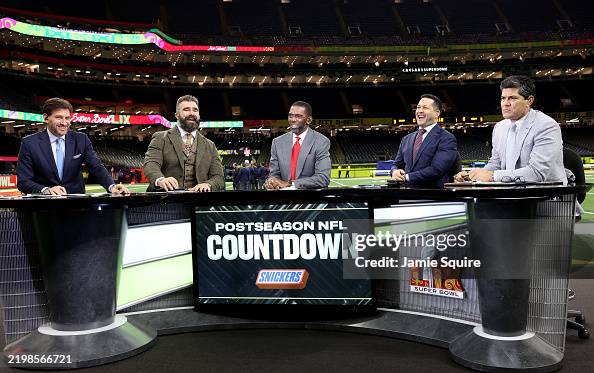
Commentary is not just a tool to describe a game or an individual play, it shapes how fans see the game and how they interpret the players in front of them.
The words used by commentators pundits and broadcasters majorly impacts the narratives around players, influencing perceptions of their ability on the field, their intelligence, and overall character.
At first glance, these descriptions seem harmless, however, when patterns emerge over time it can reveal that the language of sport is far from neutral and has a profound impact on perception.
As sociologist Harry Edwards stated, "The language of sport is never neutral it reflects the values and biases of the society it comes from,” in the NFL this means commentary can unintentionally reinforce broader social inequalities.
Stereotypes in describing talent
The most prevalent example of a clear bias in how players' abilities are described is in race.
Black athletes are more often than not praised for raw characteristics, usage of phrases and words such as "natural talent" and "athleticism", whereas white athletes are more likely to be described as; "first one in last one out" and "intelligent".
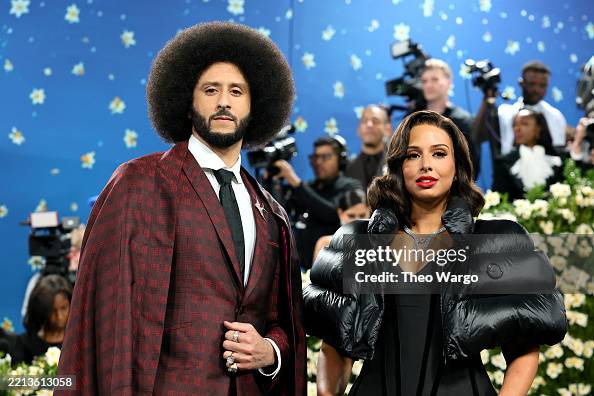
While both ways are forms of praise they can subtly imply different things, describing one group of players as "naturally gifted" suggests their success comes purely from physical traits, instead of hard work.
The key differences in their descriptions over time creates a subtle divide in perceptions among fans.
These patterns are more often than not unintentional, but repetition gives the commentary more power, the repeated use of language across games and seasons reinforce stereotypes and extend them beyond sports.
The quarterback example
The quarterback position is probably the most obvious example of these commentary quirks.
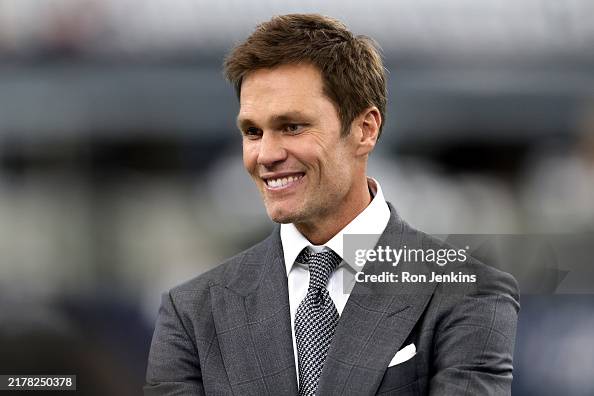
Traditionally seen as the key leadership role on any winning team, the QB position is expected to demonstrate strategy, composure and intelligence.
Historically across the NFL, black players were often denied from playing the positions due to incorrect assumptions surrounding their overall cognitive ability.
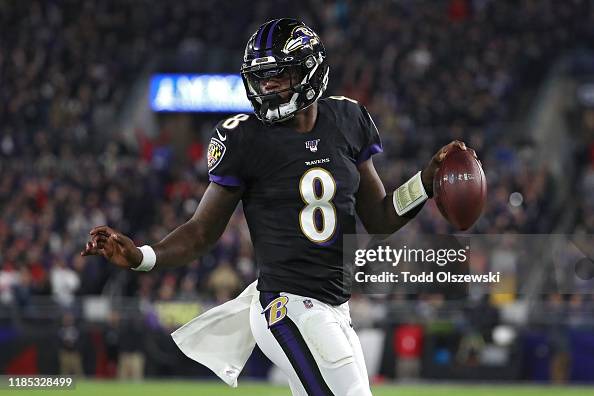
In today's league, players like Patrick Mahomes and Lamar Jackson have completely transformed the role , proving that a position's skill set cannot be reduced to stereotypes.
Media influence and real-world impact
The way that athletes are described does not stay within the game, the media narratives influence how fans and sponsors perceive the players.
A player consistently described as "intelligent" by pundits and coaches may be seen as leadership potential, meaning that player could then have more opportunities presented to them.
Research into sporting commentary has supported this pattern and shows that success for black athletes is commonly attributed to physical ability, while more often than not a white athletes success is linked to mental qualities.
An anonymous NFL player commented on the issue, he said, "It’s not always what they say it’s how they say it. You hear the same words over and over, and eventually you realize they’re not being used equally.”
Moving toward fairer representation
In more recent years, awareness surrounding these issues has grown, broadcasters, the NFL and analysts have faced increased pressure to address unconscious bias.
Some networks such as CBS have introduced diversity training and expanded representation within commentary teams, which hopes to provide a range of perspectives.

Social media has also played a large role in allowing fans to challenge the biases within commentary in real time. This has increased overall accountability and encouraged more thoughtful language.
The NFL is more than a game, it is a cultural icon that reflects societal values. If it aims to promote fairness and equality it must do this in all facets of the game.
