


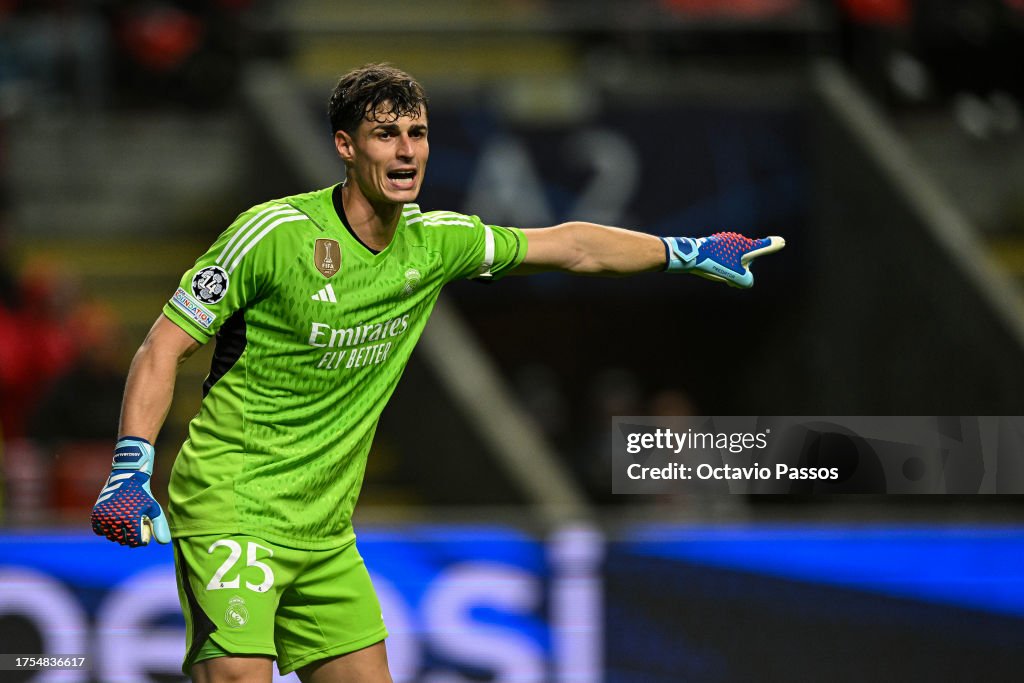

When Arsenal announced the signing of Kepa Arrizabalaga from Chelsea for just £5 million, the move surprised many.
This is a goalkeeper who once carried the label of being the most expensive in the world when Chelsea bought him from Athletic Bilbao in 2018. His journey since then has been anything but smooth.
Kepa’s time at Stamford Bridge included brilliant saves, high-profile mistakes, and even the infamous incident in the Carabao Cup final when he refused to be substituted.
His reputation dipped heavily in England, and for a period it looked as though he might never recover.
Yet football careers often take unexpected turns. A loan spell at Real Madrid restored some credibility as he proved a reliable stand-in when called upon. A further season at Bournemouth gave him the platform to play regularly again and reminded supporters of his qualities.
Now at thirty years old, Kepa has arrived at Arsenal with a chance to play an important role. Mikel Arteta wanted another goalkeeper to compete with David Raya and to provide security if injuries or form issues arise. In Kepa, Arsenal have found someone who brings experience, professionalism, and a point to prove.
Performance Review
Kepa’s most recent season at Bournemouth was perhaps the clearest indication that he still has a place in the Premier League. He made 31 appearances, kept nine clean sheets, and produced several eye-catching performances. Bournemouth relied on him in matches against stronger opposition, and he often kept them competitive with saves that exceeded expectations.
Statistically, his shot-stopping numbers were far better than many remembered from his Chelsea years, showing that he had rebuilt confidence and sharpened his reactions.
At Real Madrid, his role was different. He was not the guaranteed starter but provided dependable cover when Thibaut Courtois was unavailable.
Even in limited appearances, he looked more assured, especially in his handling of crosses and positioning. That period in Spain may not have offered him a chance to play every week, but it did expose him to a winning culture and high-pressure matches.
Being part of a Champions League-winning squad, even as a supporting figure, gave him perspective on what it takes to succeed at the very highest level.
His Chelsea years remain difficult to ignore. At his worst, Kepa struggled badly with confidence. Long shots became a weakness, decision-making faltered, and errors piled up. Once the media spotlight turned harsh, his mistakes became magnified.
Those years damaged his reputation, and it is no surprise that Arsenal supporters greeted his arrival with mixed feelings.
Yet the version of Kepa seen at Bournemouth was closer to the goalkeeper Chelsea once thought they had signed. He was commanding, consistent, and willing to take responsibility. That turnaround has given him a second chance in the Premier League.
Tactical Fit
Arteta demands that his goalkeepers do more than just save shots.
In Arsenal’s system, the goalkeeper is an additional outfield player in possession. They are expected to be comfortable with the ball at their feet, able to play under pressure, and willing to start attacking moves from deep.
Kepa suits that approach. His passing range is reliable, he is confident enough to invite pressure before releasing the ball, and he can distribute both short and long with accuracy.
Defensively, he is not as imposing as Raya, who dominates his box more aggressively. Instead, Kepa relies on positioning and reflexes. He reads the game well, closes down attackers quickly, and has improved in one-on-one scenarios where once he hesitated.
While he may not be the ideal archetype of a modern goalkeeper, he offers balance. He is calmer and less vocal than Raya but can steady the defense with his composure.
In terms of rotation, Kepa provides Arteta with flexibility. He is experienced enough to step into Champions League nights or domestic cup ties without the performance level dropping significantly. For a team chasing multiple trophies, that kind of depth is essential.
Future Role
Kepa’s role at Arsenal is likely to be defined by rotation and competition. Raya is clearly Arteta’s first choice, having proven himself across two strong campaigns. His dominance in the Golden Glove race and his consistency in high-stakes matches cemented his place.
For Kepa, that means the challenge is uphill. Yet Arteta has always spoken about competition as a driver for improvement, and having another quality goalkeeper ensures that complacency does not creep in.
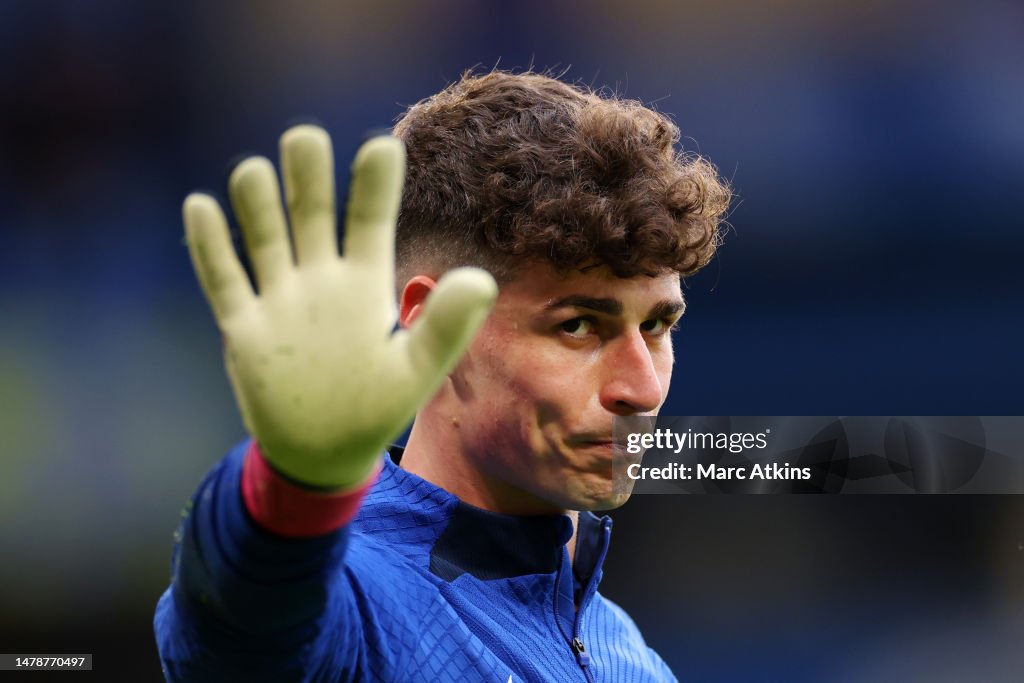
Kepa will almost certainly feature heavily in the domestic cups and could see Champions League action if Raya is rested. He is also a reliable option if injuries or suspensions occur. Importantly, his presence will allow Arteta to manage workloads across the season.
Arsenal learned in recent campaigns how quickly a single injury can derail momentum. Having someone of Kepa’s experience ensures they are better prepared.
In the long-term picture, however, Kepa’s ceiling at Arsenal looks limited. At thirty years old, he is unlikely to be a goalkeeper around whom the club builds for the future.
Instead, he fits the profile of a transitional piece. He is here to serve a purpose in the short term, to provide assurance, and to act as a competitor in training that pushes Raya. That does not make him insignificant, but it does make his long-term role more modest.
Importance to Arsenal’s Future: 4.5 / 10
Kepa Arrizabalaga is a valuable addition for the present but not a cornerstone for the future. His arrival provides Arsenal with depth in a critical position, something they lacked last season. He will push Raya, bring competition to the training ground, and be available to step in when the team needs him most.
However, he is not central to the club’s future ambitions. Arsenal will not build their project around him, nor will he be the first name on the teamsheet in decisive league or Champions League matches. He is a safety net rather than a foundation. That is why his importance to Arsenal’s future is rated at 4.5 out of 10.
This does not diminish his value. He will still play games, still influence the squad with his professionalism, and still give Arteta options. But in the bigger picture, he is a temporary piece in Arsenal’s puzzle, a player who adds security without being essential to the long-term vision.
