



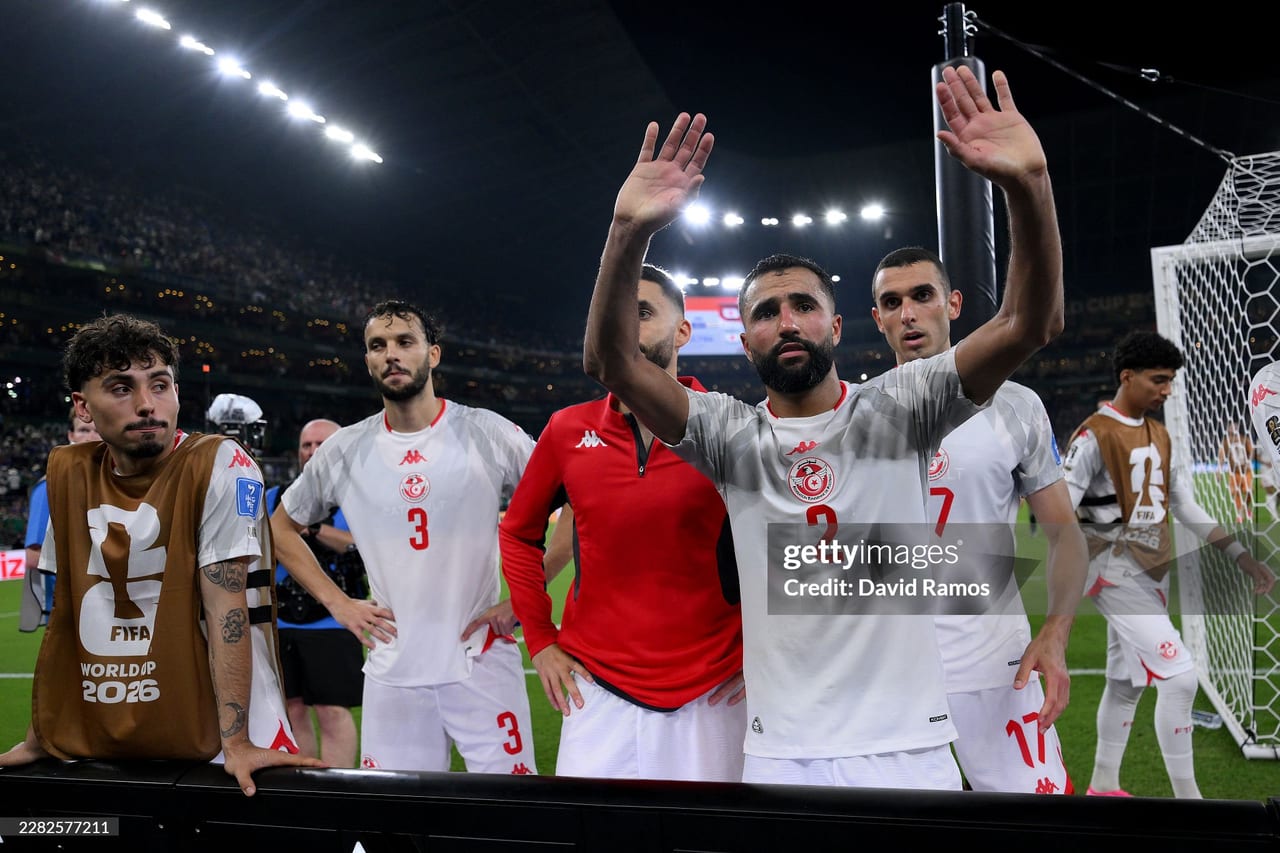

It has to be acknowledged that Tunisia's expectations heading into the FIFA World Cup were at an all-time low, due to a squad lacking experience on the biggest stage and, most importantly, their absence of any real quality within their ranks.
A group containing Sweden, Japan and the Netherlands only compounded those concerns, yet all hope wasn't lost as they could still qualify as one of the best third-place nations.
Nonetheless, those faintest of hopes quickly faded away as a disastrous start saw them humiliated by Sweden, prompting the mid-tournament sacking of Sabri Lamouchi in place of experienced fellow countryman Herve Renard.
The Frenchman was unsurprisingly unable to steer a sinking ship though, as the Eagles of Carthage finished rock-bottom of Group F and went out on a whimper. But how will Tunisia recover from this major setback?
Early Struggles Bring Major Consequences
A nation who have never tasted the knockout stages of the World Cup, Tunisia had crashed out at the first time of asking in the previous two iterations but impressed in qualifying for this year's tournament, topping the group unbeaten and without conceding.
While the quality of their opposition has to be taken into account, they were heading to North America on merit. Ultimately their distinct lack of threat going forward, with Burnley's Hannibal Mejbri serving as their focal point, would prove costly.
A curtain-raiser with Graham Potter's Sweden in Guadalupe was their only source of encouragement, in the knowledge that the Netherlands and Japan would most likely secure automatic qualification. What followed was nothing short of a nightmare.
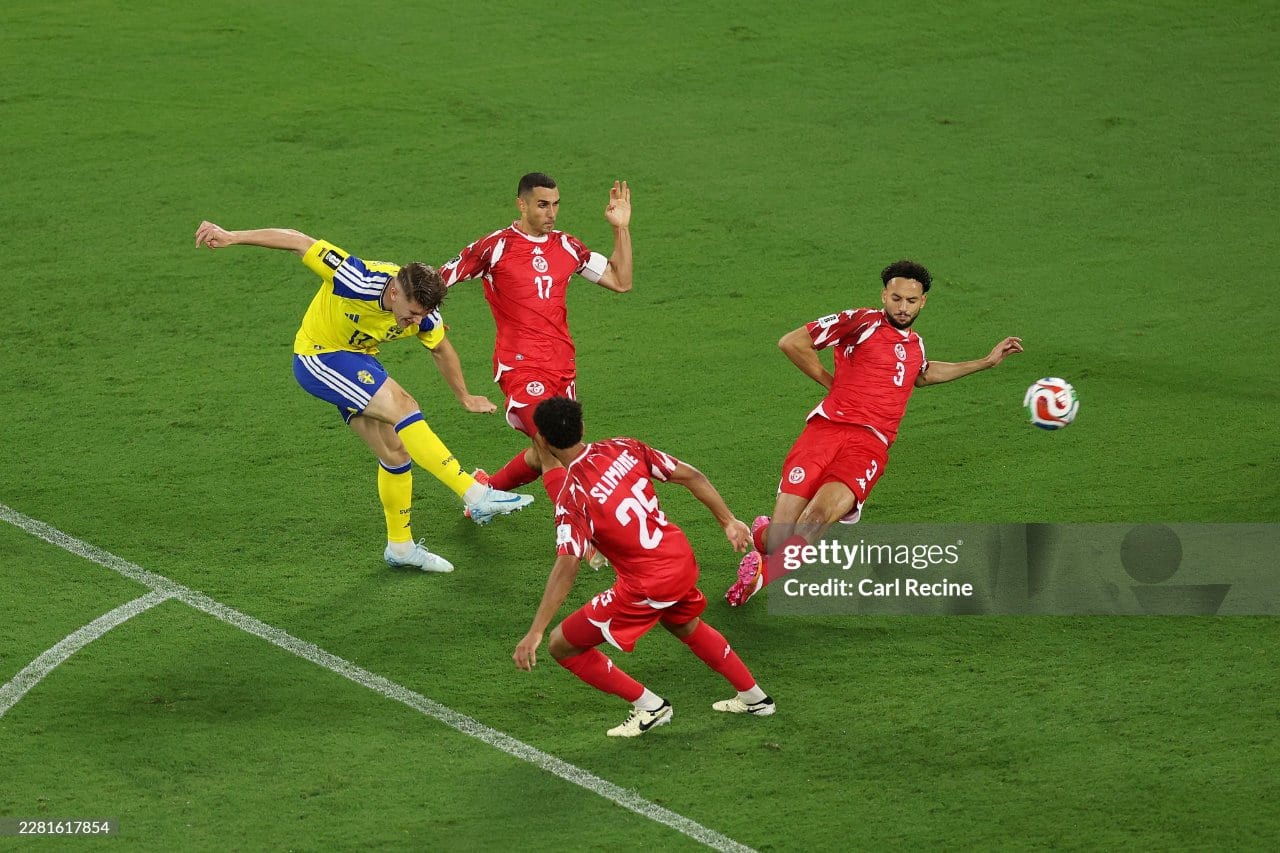
The Eagles of Carthage were taught a footballing lesson as they were humiliated in a 5-1 defeat which does not do their lacklustre performance justice. They were torn apart by Alexander Isak and Victor Gyokeres, who were both on the scoresheet, emphasising not only their defensive frailties but their inability to compete at the level.
The aftermath was even more surprising and damning. Ex-Cardiff City and Nottingham Forest boss Lamouchi was appointed in the dugout in January to lead the Eagles of Carthage at this World Cup, and the result essentially ensured they would be heading home upon the conclusion of the group stages.
However, the Tunisian FA made the ruthless decision to part company with the 54-year-old, only the third time a manager has been sacked during a World Cup. In came another French boss in the form of Renard, most recently manager of Saudi Arabia, who famously guided them to beating eventual winners Argentina in the group stages four years ago.
No New-Manager Bounce
It has to be said that Renard's appointment felt like a knee-jerk reaction following a disastrous start, which was only going to worsen.

Ahead of their second game against Japan, it was thought the ex-Cambridge United manager would be able to deploy his defensive-minded approach to perhaps scrape a draw against one of the tournament's dark horses.
That did not prove to be the case.
Hajime Moriyasu's side embarked on a goal-scoring exhibition as they exploited Tunisia's disjointed defensive set-up from the start, Daichi Kamada breaking the deadlock inside four minutes before an Ayase Ueda brace and Junya Ito's strike saw them prevail with a 4-0 win.
An xG of just 0.05 epitomised their toothless performance, being outplayed in every area of the pitch, with it becoming quickly apparent that they were one of the weakest nations in the tournament.
While teams of a similar ilk, or even smaller, like Cape Verde and Curaçao compensated for their lack of firepower with defensive solidity, Tunisia offered neither, all but confirming their exit.
A meeting with the Netherlands was always going to expose the gulf in class between the two sides, and yet another damaging defeat was on the cards as they trailed by two goals inside the seventh minute.

They were able to shore up defensively and carried more of a presence going forward, Hazem Mastouri restoring parity in the second period before Jan Paul van Hecke restored the two-goal cushion soon after.
Although it was a much improved performance in all departments, it was ultimately too little too late for the Eagles of Carthage, who conceded the joint-most goals with 12 alongside Iraq and produced little fight on the biggest stage.
How Do They Bounce Back?
Renard has a wealth of experience but, after just 18 days in charge, the 57-year-old resigned from his post, with his contract lasting only until the end of the World Cup.
He cannot be blamed for Tunisia's woeful tournament as he simply didn't have the time to turn their fortunes around. Nevertheless, the ex-France Women's boss seemed the ideal candidate to lead them going forward, as Tunisia now go in search of their eighth manager since the start of 2024.
They are in desperate need of stability, and a favourable qualifying group for the 2027 AFCON, containing Uganda, Libya and Botswana, provides them with the perfect opportunity to bounce back and qualify for their 17th consecutive tournament.
Tunisia must take their time with this appointment, as the wrong choice could send them even deeper into the hole they already find themselves in.
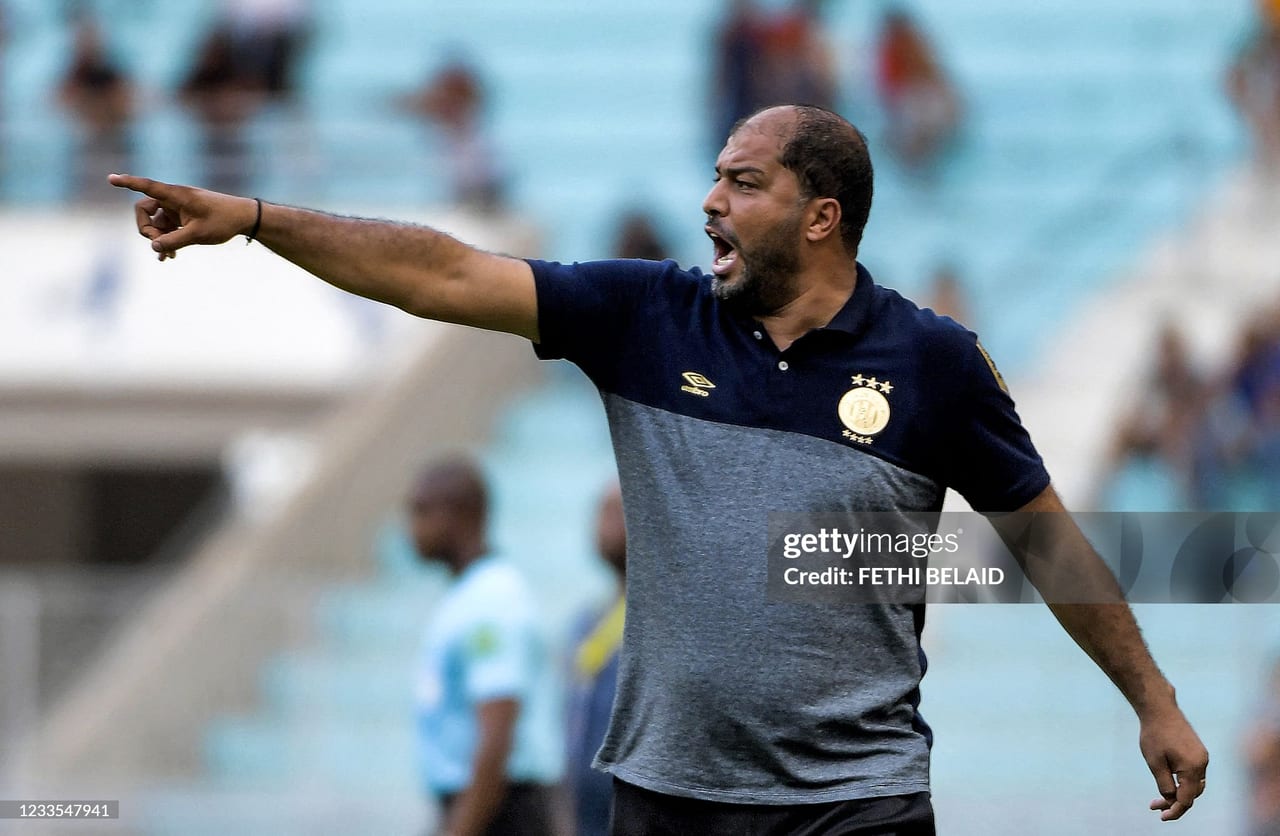
Mouine Chaabani, of Moroccan outfit RS Berkane, has emerged as a leading candidate. His Tunisian roots could prove crucial in rebuilding the fractured relationship between the national team and a fanbase which has become detached from their side.
This catastrophic World Cup has, if anything, taught Tunisia what not to do going forward, as they will have to prioritise structure and cohesion if they are to compete on the biggest stage in years to come.
