
If this past off-season didn’t confirm the New York Knicks’ aspiration to go toe-to-toe with the very best in the NBA, including the reigning Finals champions and East rival Boston Celtics, then the last 24 hours have certainly done so.
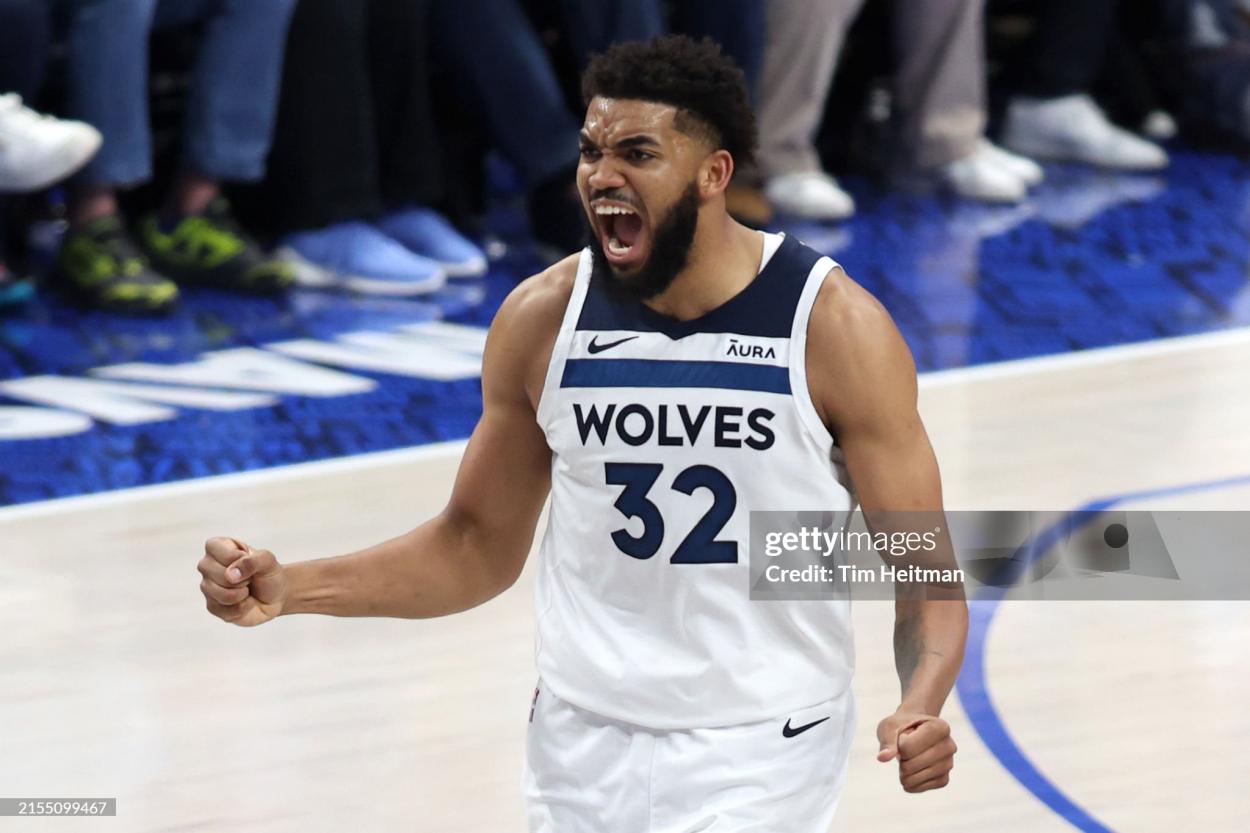
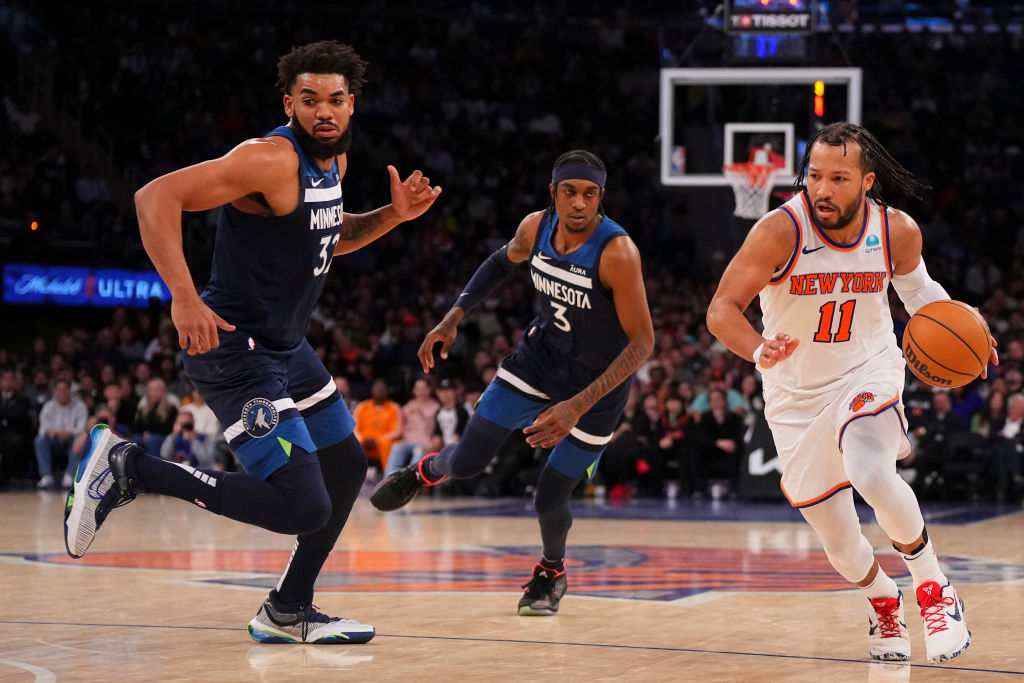
To the surprise of many, including the person involved, the Knicks struck a blockbuster deal that saw them acquire Karl-Anthony Towns from the Minnesota Timberwolves for Julius Randle, Donte DiVincenzo, and a first-round pick, as frantically reported by multiple sources.
The deal that has recemented New York’s ambition to break through as a legitimate title contender follows fellow summer acquisition Mikal Bridges and the extension of Jalen Brunson and OG Anunoby.
The extensions of Brunson, a bona fide franchise player coming off an MVP contention season, and Anunoby were in motion priorities that became nailed-on. Bridges’ signing from cross-city foe Brooklyn Nets was driven by the Villanova links—playing with Brunson, Josh Hart, and then-brief teammate DiVincenzo, aka “Nova Knicks”—and sensible. But, Towns, even though chased by those in the Knicks hierarchy for some time, is less so.
Sentimentally, Towns grew up a Knicks fan while living in New Jersey. So, the lack of emotional connection that comes with signing an All-Star player in their peak years isn't an issue here, especially when it comes to the loss of DiVincenzo, who was a beloved part of the “Nova Knicks” trio.
Nonetheless, like with all trades, there are pros and cons. Towns is no different.
There are many strands to the trade, which all seemingly lead to the ultimate goal of toppling the Celtics in the Eastern Conference and, in doing so, reclaiming Championship success.
The Celtics standard in the East
Boston has set the standard for how offensive and defensive basketball excellence should be played under Joe Mazzulla. They remain an unsolvable conundrum for most teams in the East, and a dominant regular season and NBA title now provide concrete validation for that. They shoot well, movement and spacing are on point, and defensive matchups are embraced.
As seen by the graphic above, the Celtic’s five-out offense stretched the opposing team’s defence more than any other team, and the Knicks... well, not so much.
Towns’ spacing and spot-shooting for a 7-footer allows for Tom Thibodeau’s side not only to jump significantly in those standings but to also mimic Boston. Also, dealing with a potential match-up with Kristaps Porziņģis—offensively and defensively—is a task that can be entrusted to Towns.
Even more so, given center Mitchell Robinson’s expected lengthy time out with an ankle injury. Robinson is expected to recover around December, but there will be no rush in ushering back to action, especially given the severity.
Fit alongside Brunson
A beneficiary for a more spaced-out offense is Brunson. Towns offensive arsenal can complement Brunson, whether that be through pick-and-rolls options: kick out to the forwards on the flanks, pocket pass and roll to the basket, or let jumpers off at the top of the key.
Towns, who shoots a career 39% from 3, as a secondary scoring option offers a differing skillset to the bully-ball nature of Randle. Whether at the four, or more likely the five for the start of the season, Towns do not need to orchestrate the ball to be effective, as shown with Anthony Edwards and the Timberwolves.
On the other side of the ball, rim protection and focus have been a criticising point of Towns’ game. And until proven otherwise, it will continue to be. However, if his defense on Denver Nuggets star Nikola Jokić in last season’s second round playoff is anything to go by, he does not shrug the match-up against the opposing go-to big man, as he may have done years ago—which he will have to get used to given the East is coveted by them in the form of Joel Embiid, Giannis Antetokounmpo, and in spurts Porziņģis.
Reunion with Thibs
The Thibodeau factor will be an interesting viewing point as the season progresses. The 66-year-old coach and Towns spent three years together in Minnesota, and though there will be a level of understanding of how each other works, the pair’s relationship at times reached a boiling point, which will always be there, even if Towns has since played down disagreements.
“I ain’t got no problems with Thibs,” said Towns back then. “We squashed that. I still look at Thibs as one of the best coaches, best X’s and O’s guys I’ve ever been able to play for. He’s a winner.”
On a wider look at how this trade looks for the Knicks, there is a query on what losing DiVincenzo—a solid backcourt rotation piece—and adding Towns to an already stacked group of wing-options does for depth. That's something that will be tested in the heat of playoff basketball, where we will also see how Thibodeau manages the health of his top guys—a noticing weak point in last season’s liberating run.
Whether the Knicks are strong enough now to oust the Boston Celtics and move beyond the other Eastern Conference contenders remains to be seen. They are undeniably more skilled following their big summer excursions. But given that they have fully invested, this team must perform since the Knicks have essentially depleted their assets and manoeuvrability.
Towns raises their floor; now he and co. must find a way to do so with their ceiling.