



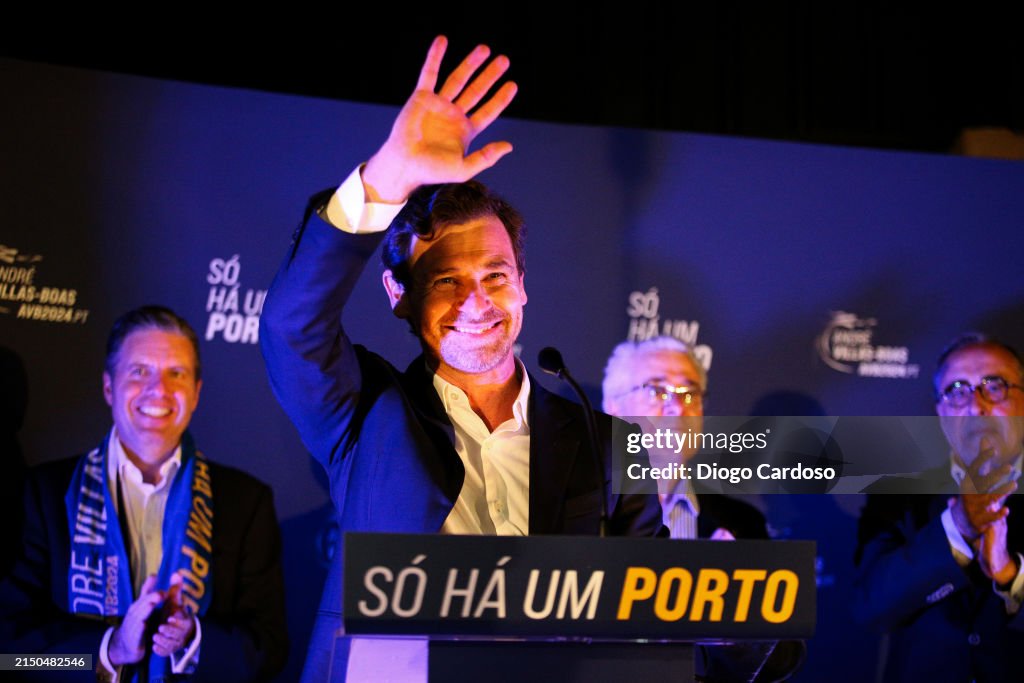

When André Villas-Boas pledged to breathe new life into FC Porto by succeeding Jorge Nuno Pinto da Costa — an indelible figure in Portuguese football — he did so amidst fanfare and optimism.
This, after all, was the man who famously led his hometown club to a treble in 2011 as manager. An undefeated league season combined with success in the Taça de Portugal and Europa League would currently be considered a heady achievement for a side that has flattered to deceive of late.
Villas-Boas was elected club president in April 2024, securing around 21,489 votes to Pinto da Costa’s 5,224, ending a 42-year presidency. His campaign spoke of a renaissance — transparency, modernisation, unity — but it has taken over a year for such aspirations not to look wildly outlandish.
It’s often said that you have to hit rock bottom before you can climb up again, and the signs are that Porto, after a rocky first year with Villas-Boas as president, are finally on the rise.
A season that invited criticism
Last season, Porto finished third in the Primeira Liga, behind Sporting CP and Benfica, and suffered early exits from both domestic cups. In Europe, their Europa League campaign halted before the round of 16, losing in the knockout play-offs. It was a season that invited criticism.
Villas-Boas is not unused to facing adversity; he has long been a figure of intrigue and someone who has had to take the rough with the smooth. Born in Porto, he never played professionally, rising instead as part of José Mourinho’s coaching team at Porto, Chelsea and Inter Milan.
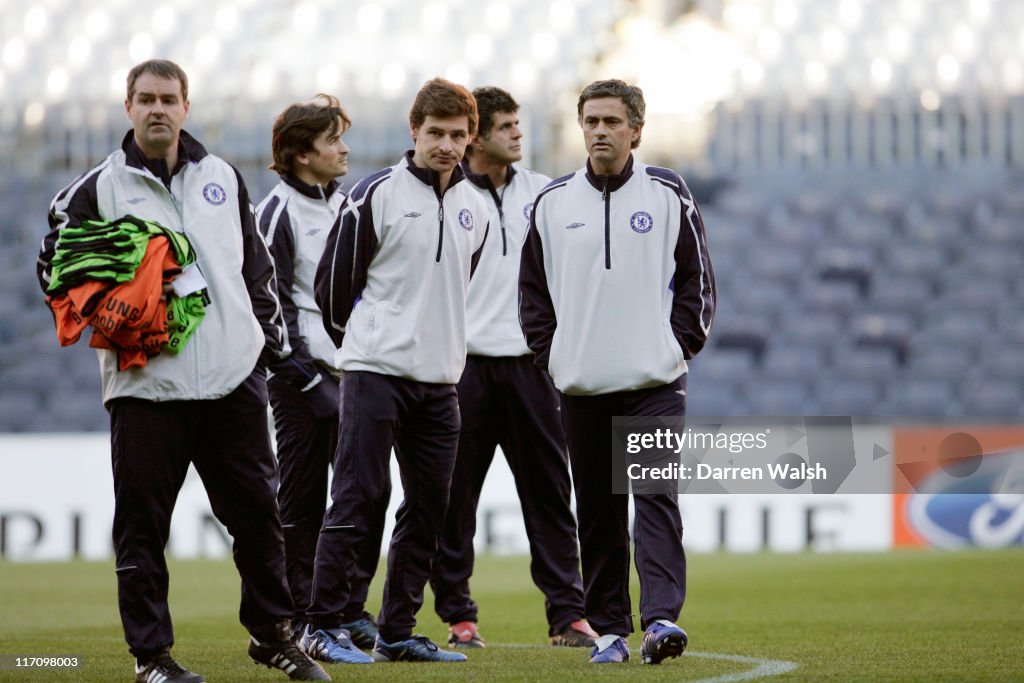
After launching his own managerial career with Académica, he returned to Porto in 2010 and, at 33, became the youngest manager ever to win a European club competition. Considered at the forefront of the new generation of coaches, his move to Chelsea was given the big build-up but, ultimately, fell flat.
Dismissed within a season, he endured similarly short spells at Tottenham Hotspur, Zenit St Petersburg, Shanghai SIPG and Marseille. His infamous decision in 2018 to take a sabbatical — famously attempting the Dakar Rally — was entirely in character: restless, curious, unwilling to be defined solely by football.
A coaching career that rarely laid down solid roots hinted at a talent unfulfilled, but the experiences no doubt added to Villas-Boas’s already wide hinterland — he’s fluent in several languages, and fascinated by politics, motorsport and culture — and prepared him for what’s now come next.
Villas-Boas has come full circle
His return to Porto is fascinating. By becoming the club’s 32nd president, Villas-Boas has come full circle; now seeking to steer Porto not through tactics and substitutions but through governance and vision.
For decades, Pinto da Costa represented Porto — for better and for worse — and his death in February confirmed the end of an era.
The club have also had to deal with the untimely death of Jorge Costa, the captain of the Champions League winning team in 2004 and who made 251 appearances. The former defender was just 53 when he suffered a heart attack at the club’s training ground this summer.
If Porto have recently lost some historic club figures, then Villas-Boas is trying to fill their gaps and provide a rejuvenation. The club he rejoined had become fractured and won two of the last seven league titles but become distinctly third-best to their two main rivals.
Porto, as a city, can be accused of looking down on Lisbon, the country’s capital. The industrious northerners often think of their southern counterparts as a bit over privileged, and such thinking extends to the football clubs.
The supporters at the Estádio do Dragão want a team, and a club, that tries its utmost to get the better of Sporting and Benfica — Villas-Boas is tasked with ensuring their demands are met and unity exists between those in the stands and those on the pitch.
Unveiling Porto’s first senior women’s team, initiating programmes to elevate B-team and Under-19 players into the first team, and launching supporter initiatives are all an attempt to restoring the bonds within the club.
Dissatisfaction has been hard to shift, though, especially after last season. Member protests erupted: a scathing letter on year one characterised the campaign as “a failure … in identity, in determination, in ambition, and in unity”, lamenting erratic leadership and murky finances.
Indeed, coaching changes and poor results have unsettled Porto. Villas-Boas’s first appointment, Vítor Bruno, lasted only seven months as head coach — despite delivering a Super Cup victory — before being replaced.
If that left Villas-Boas in a rather uncomfortable position, this summer’s Fifa Club World Cup made matters worse. Failing to emerge from the group-stage provoked anger from fans and raised questions about how the squad was prepared. It meant Martin Anselmi was the next coach to walk.
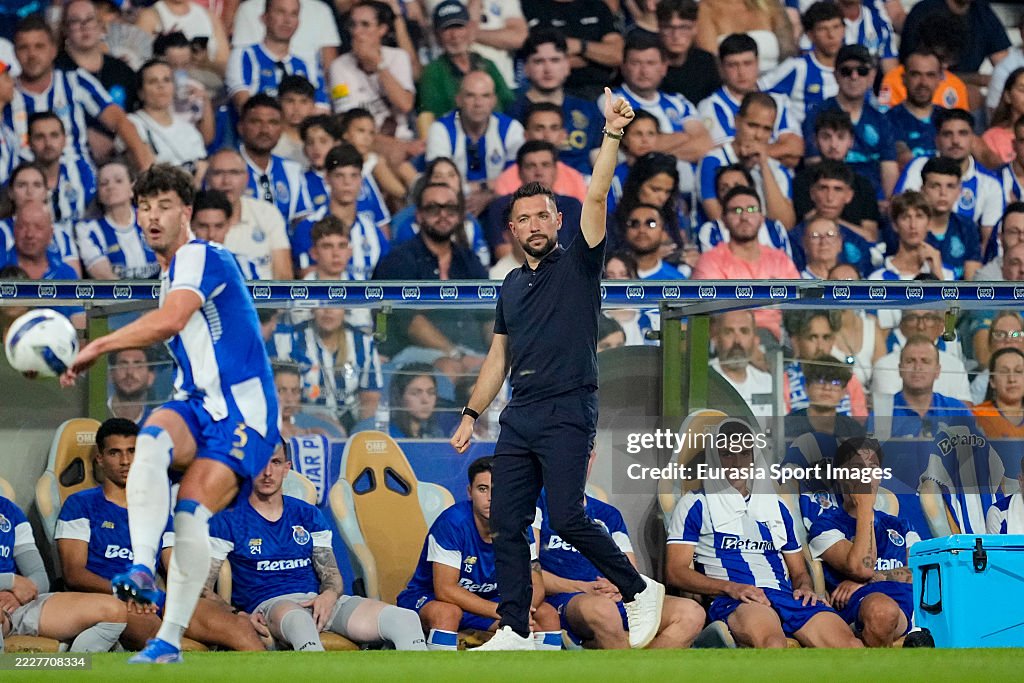
The third coach into the hot-seat is Francesco Farioli, the Italian tactician who is known for his high-pressing style of play but also for being at the helm as Ajax remarkably threw away the Eredivisie title last season.
A record-breaking summer rebuild
Changes have also come in the squad. The sales of Nico González to Manchester City and Francisco Conceição to Juventus brought in €90 million and led to nine new signings coming through the door, including Gabri Veiga, Luuk de Jong, Victor Froholdt and Alberto Costa.
The summer transfer business was the biggest in Porto’s history and a sign that Villas-Boas wanted to back his new head coach and make amends for a rough first year.
Top of the table once again
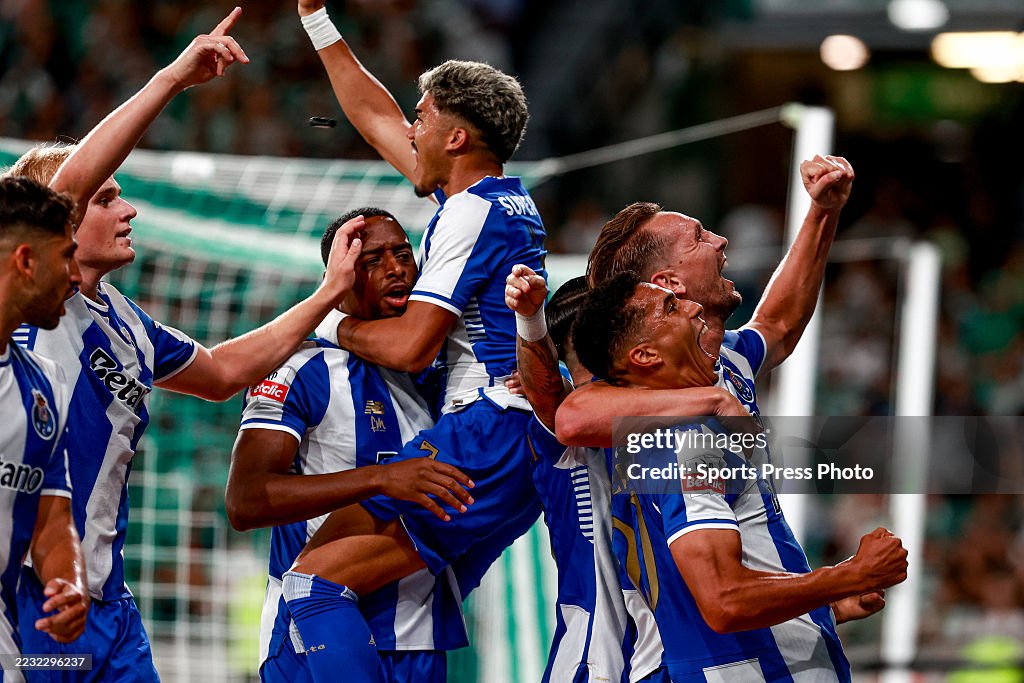
Early signs are that Porto will have a better time of it this season compared to last. They sit top of the table and are the only team to have won all four of their opening matches in the Portuguese top-flight — Benfica have a 100 per cent record but played only three games.
Prior to the international break, winning 2-1 away at reigning champions Sporting was the statement victory that Porto needed if talk of them being title contenders was to be taken seriously. Scoring 11 goals and conceding just once suggests Farioli has quickly got to grips with his players.
For as long as results remain positive and performances on the pitch continue to impress, the heat on Villas-Boas will reduce. After all, Porto supporters have been desperate for a spark and in the boardroom they at least have someone who has provided one before.
