


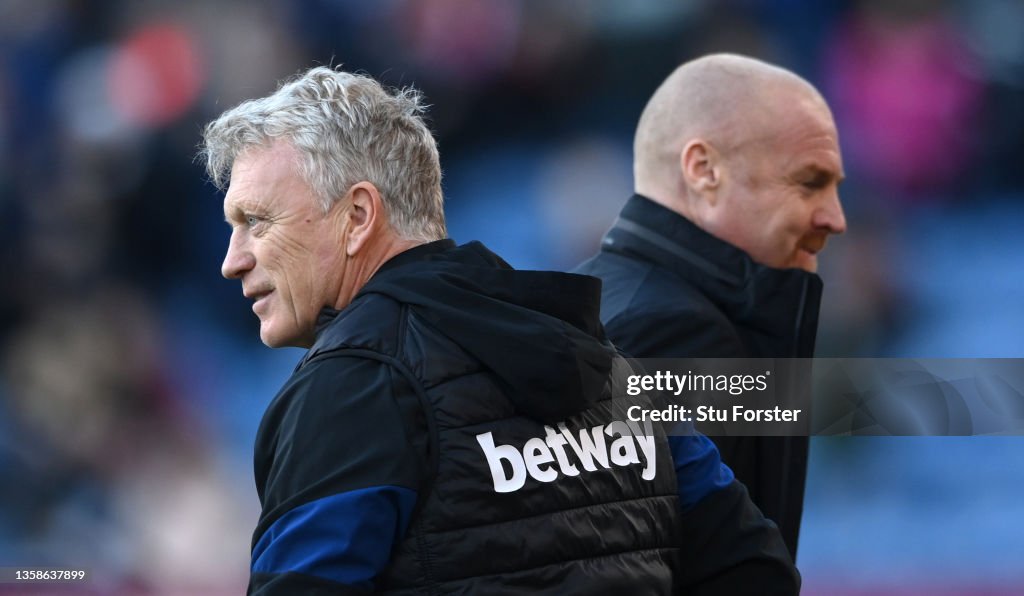

Appointing a popular and experienced former manager, currently out of work and available to hire, when your club is in need of a boost during a low ebb is something that The Friedkin Group (TFG) know all about.
It was only in November that they elected to bring veteran coach Claudio Ranieri back to Roma in an attempt to resurrect their season. And it is quite possible that they will be doing something similar over the next few days at the newest club in their stable.
Following Sean Dyche’s sacking, Everton’s new owners appear to be honing in on giving David Moyes the reins again at a club he managed for 11 years between 2002 and 2013. Clearly the US owners are happy to go back to the future.
Moyes fits the template of Everton needing a manager who is available on the cheap, knows the club and has a history of keeping teams up by outperforming the budget. It could be that a deal is wrapped up rather quickly.
That Moyes is currently out of work having left West Ham United last summer makes things a lot easier for TFG, and prevents a further dent in their coffers, as opposed to having to buy a manager out from another club. Bringing someone in until the end of the season also makes little sense.
There is also something a touch romantic about Moyes being the man to bridge the gap between Everton’s last few months at Goodison Park and their new start at the Bramley-Moore Dock stadium which is set to open next season.
However, the priority is ensuring that Everton are a Premier League club when the switch occurs.
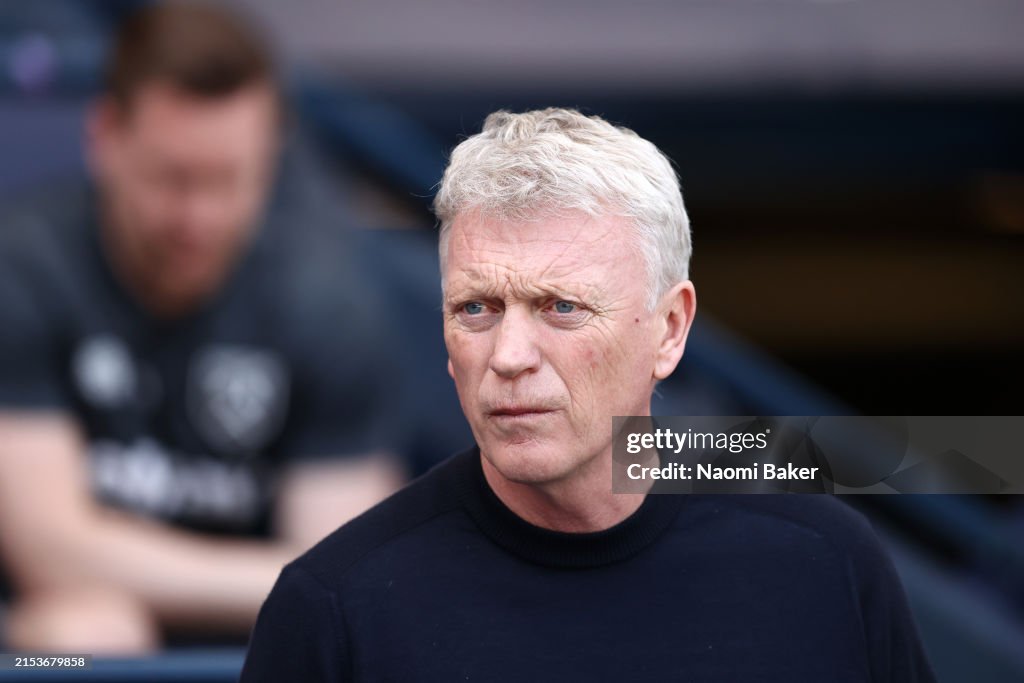
Chances are that Dyche would have managed to get Everton over the line once more — he had done it in each of the past two campaigns — but as soon as the new owners sensed that the now former manager may have no longer been fully invested, they decided to act.
Recent history shows that Dan Friedkin and Co are not afraid to take the plunge. During their rather brief spell at Roma they have already burned through managers. Jose Mourinho, Daniele De Rossi and Ivan Juric had all been employed and dismissed before Ranieri came in two months ago.
After formally taking over Everton in November, Marc Watts, who is the president of TFG and responsible for the day-to-day management of the club, held talks with Dyche and gave him his backing.
Yet, a deterioration in relations between Dyche and Kevin Thelwell, the director of football, over transfers and some signs that the former had started to come to the realisation that he could not take the team any further signalled a shift in attitude and mindset.
Normally, a 1-0 defeat away to Bournemouth would not be deemed the final nail in the coffin, but what Dyche said on Tuesday — admitting that TFG should be planning for his succession given Everton’s recent results — suggests he was already halfway out of the door.
Grinding style had fans turning off
It is fair to say that supporters had long since checked out. When the former Burnley manager was appointed, every Everton fan knew the type of football he would bring, but that hasn’t made it easier to watch. There has been a constant battle between defence and attack in the style of play from day one.
True, defensive resilience has been Everton’s bedrock but a chronic shortage of goals and creativity has been an achilles heel. Yes, the attackers — and, more specifically, the strikers — that Dyche has had to work with have been of limited quality, but even their potential has not been reached.
The recent draws with Arsenal, Chelsea and Manchester City could have been viewed as decent enough results against superior opponents, or — considering Everton spurned very presentable chances to clinch huge late winners in the two of those matches — as just further evidence that this was a one-dimensional side.
A few highs are notable during Dyche’s tenure: winning 1-0 at home against Arsenal in his first game in charge; the nerve-shredding last-day-of-the-season triumph over Bournemouth at the end of that season ensuring Everton’s top-flight survival; and last season’s Merseyside derby victory that started the derailment of Liverpool’s title hopes.
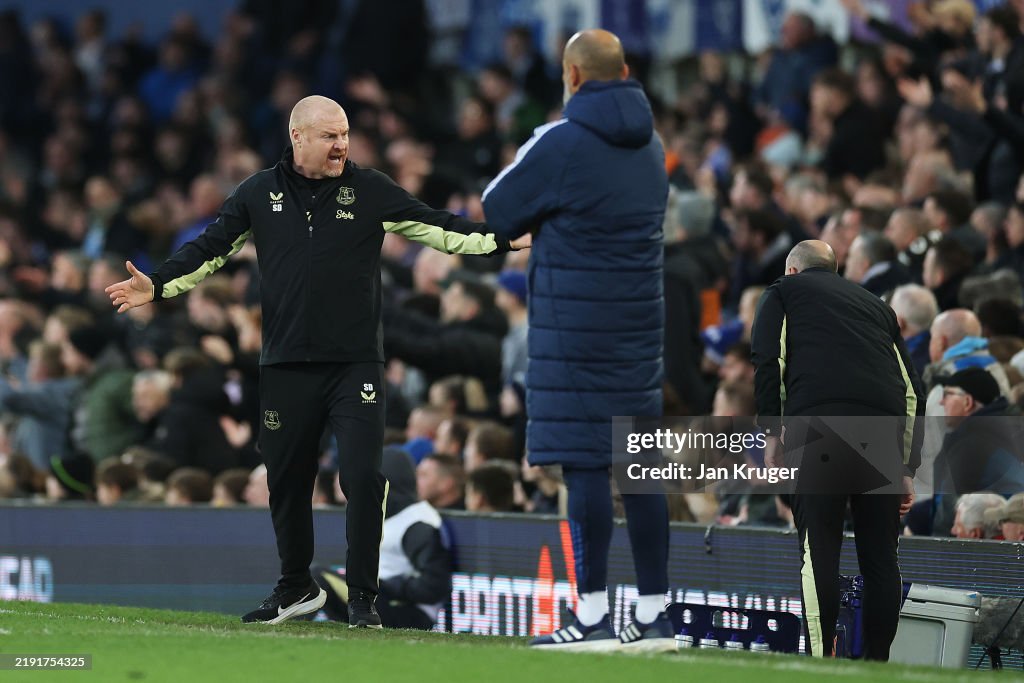
Also, the dysfunctional backdrop against which Dyche had to operate cannot be exaggerated. Major financial restrictions, a limited playing squad and points deductions as a result of breaching Profit and Sustainability Rules (PSR) were forces he had to work against.
What’s more, during a troubling time for Everton when leadership around the club was notable for its absence, Dyche was often the sole spokesman and the lightning rod for frustrations. That he didn’t get to have a shot in a more stable environment will surely rankle.
It is clear where improvement is to be sought for a team that have just three wins and only 15 goals from 19 league outings this term. They find themselves in 16th place, one point above the relegation zone and with fellow scrappers Ipswich Town and Wolverhampton Wanderers showing signs of life.
Come Aston Villa’s visit next Wednesday evening, it might be a case of Everton having gone backwards to move forwards with a familiar face back in the dugout.
