


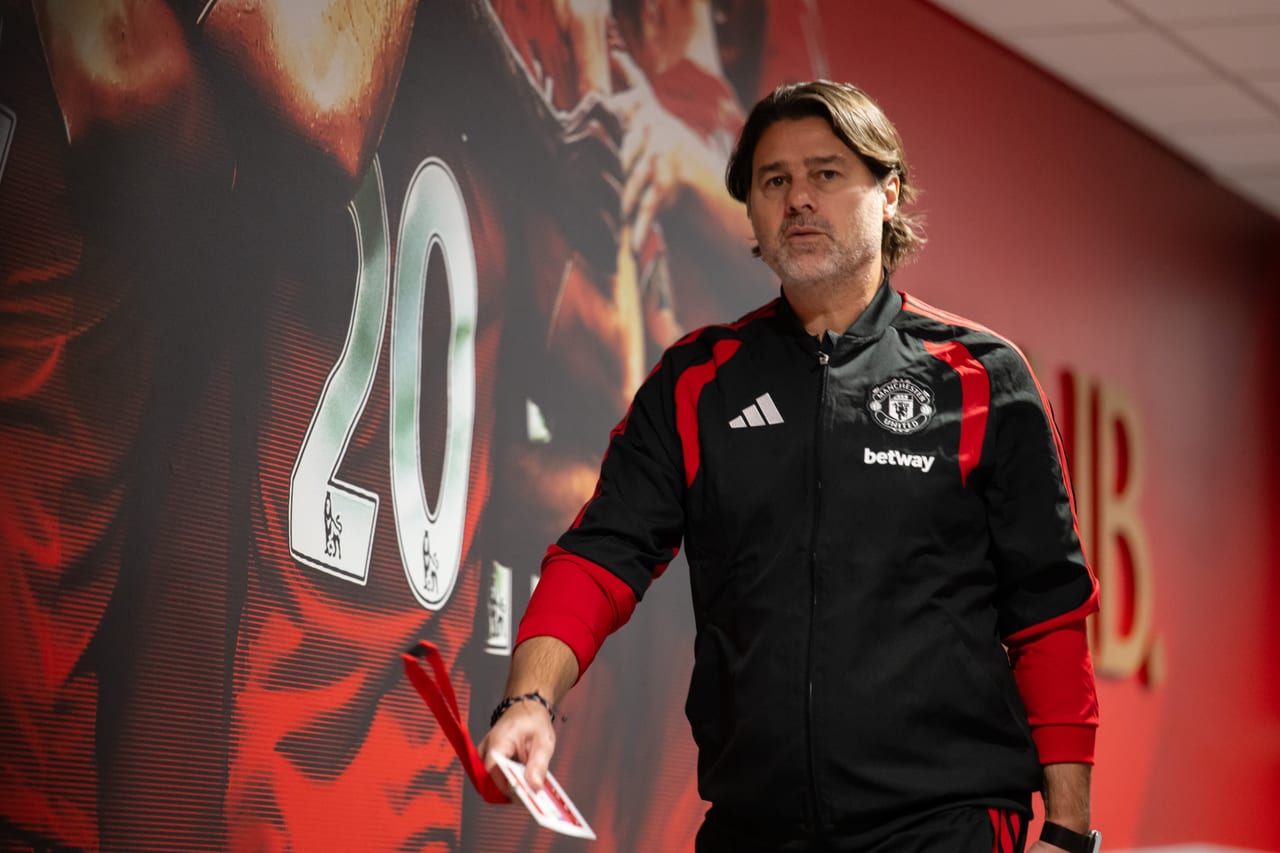

Mauricio Pochettino's introduction to life as a Manchester United manager couldn't have been much harder. His first game in charge was a very damaging 4-0 defeat at Anfield.
The afternoon was over quickly; Leny Yoro was sent off in the 8th minute, and Dominik Szoboszlai took full advantage to put Liverpool in front, with Florian Wirtz doubling the lead three minutes later. United were in a right mess before they'd even really got going.
Rio Ngumoha and substitute Víctor Muñoz both scored after the break to complete the job with a commanding victory. The home side were absolutely brilliant at times, using their pace, movement, and attacking quality to pick apart United's defence.
While the early sending-off of course changed the game completely, it would be wrong to point to that as the sole reason for United's problems. Their problems were there long before the first whistle, and Liverpool were quite capable of finding them.
Here are five things we learnt from a miserable afternoon for Manchester United.
1. Three Red Cards In Four Games
United's disciplinary record is becoming increasingly concerning, with Yoro the third player to be sent off in just four games.
Lisandro Martínez saw red against Chelsea on 31 October, and Matheus Cunha followed that up with another against Roma on 3 November. Yoro's dismissal at Anfield was the third in four games, the defender being shown a red card and sent for an early bath after just 7 minutes and 23 seconds.
It was a disaster for Pochettino, who had hardly even started his first game in charge before being back to the drawing board.
Yoro's red card also set a record as United's earliest ever red card in the Premier League. He found himself out of position after failing to read the ball over Matthijs De Ligt's head, allowing Liverpool to get in behind the back line.
The challenge on Isak was absolutely silly, pushing him in the back from the wrong side and leaving the referee with no choice after denying a goal-scoring opportunity.
Liverpool took it from there, with Szoboszlai powering in the free kick and Wirtz adding a second just a few minutes later. Two goals and a sending-off in such a short space of time speaks volumes about the wider issues with decision-making and game management.
United simply can't keep putting themselves in a position where they have to come from behind with a massive deficit, and Pochettino needs to find the underlying cause quickly as the fixtures come thick and fast.
2. Defensive Issues All Around
United's defensive record is getting harder and harder to justify, and Anfield has provided another example of just how much work it takes.
They had conceded 30 in their first 15 games, with not a single clean sheet in the Premier League. Liverpool's four goals took that total to 34, leaving the Red Devils with the worst defensive record in the top five European leagues.
The worry is that this happens in pretty much every game. Whether it is a positional mistake, a moment of inattention, or simply a failure to deal with an opponent's movement, United find themselves in difficulties again and again.
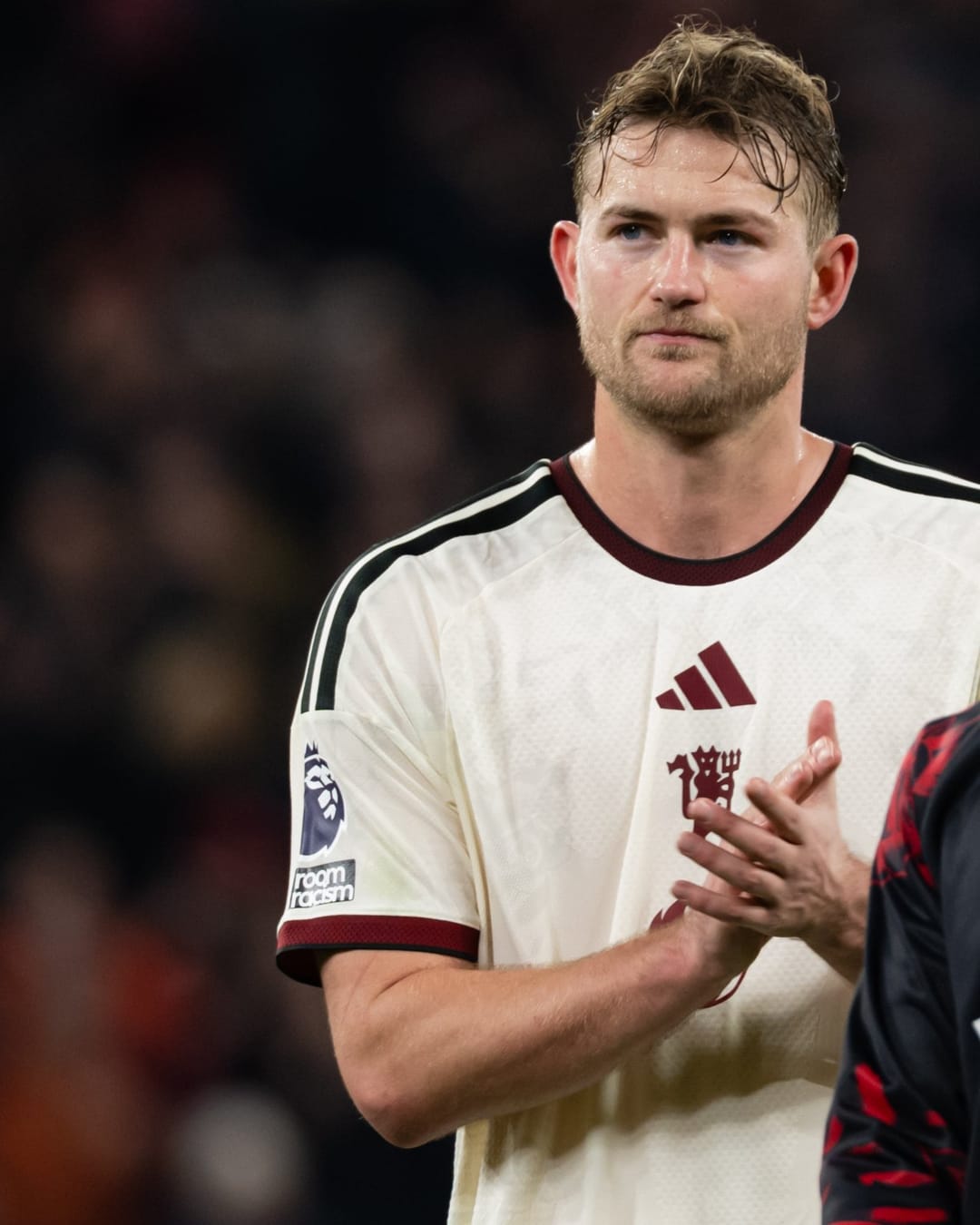
Starting De Ligt was a bit of a question mark given his lack of match fitness after 12 months out. Liverpool's attacking pace was always going to be a problem, and De Ligt looked a bit uncomfortable when dealing with the runners in behind.
There are also wider questions about whether the Dutch international and Martínez have the pace to cope with modern attacking sides built around pace and direct running.
Ngumoha was very difficult to contain and kept Dalot in constant trouble in one-v-one situations. His pace and his ability to improvise made him a real nightmare to defend against.
His second-half goal perfectly illustrated what United were struggling with. Liverpool won the ball back and went straight into a devastating counter. Barcola got past Martínez and squared for Ngumoha to slot home. It was all over in 11 seconds.
At 18 years and 85 days, he also became the youngest player ever to score against the Red Devils in the Premier League. Wirtz and Ngumoha were undoubtedly Liverpool's two best players in the match.
Liverpool had a few more chances to extend their lead; Lammens was called upon to make several key saves, most notably denying Isak after a superb individual run.
The keeper was probably the Red Devils' only real positive. His goalkeeping kept an already dreadful afternoon from getting any worse.
The bigger issue is the absence of leadership from the more experienced defenders. The younger players need the more experienced players to lead them, and too often it is the very players we would expect to set the standard who make the errors.
United cannot keep expecting different results while the same defensive issues keep cropping up.
3. Mainoo and Tielemans Are Not Working in Midfield
The Kobbie Mainoo/Youri Tielemans partnership is another area Pochettino will need to look at.
Both have the technical ability, that's for sure, but that's not the be-all and end-all. The Red Devils need energy, mobility, and players who can control the central area of the pitch when you are up against a very high-tempo side.
Against Liverpool, the pair just could not do it. They simply did not have the legs to cover the ground, and as a result it was very difficult to close down the spaces, win the second balls and protect the backline.
That lack of protection only adds to the defensive problems. If the midfield cannot at least slow down the opposition's transitions, then the defenders are left under far more pressure than they should be.
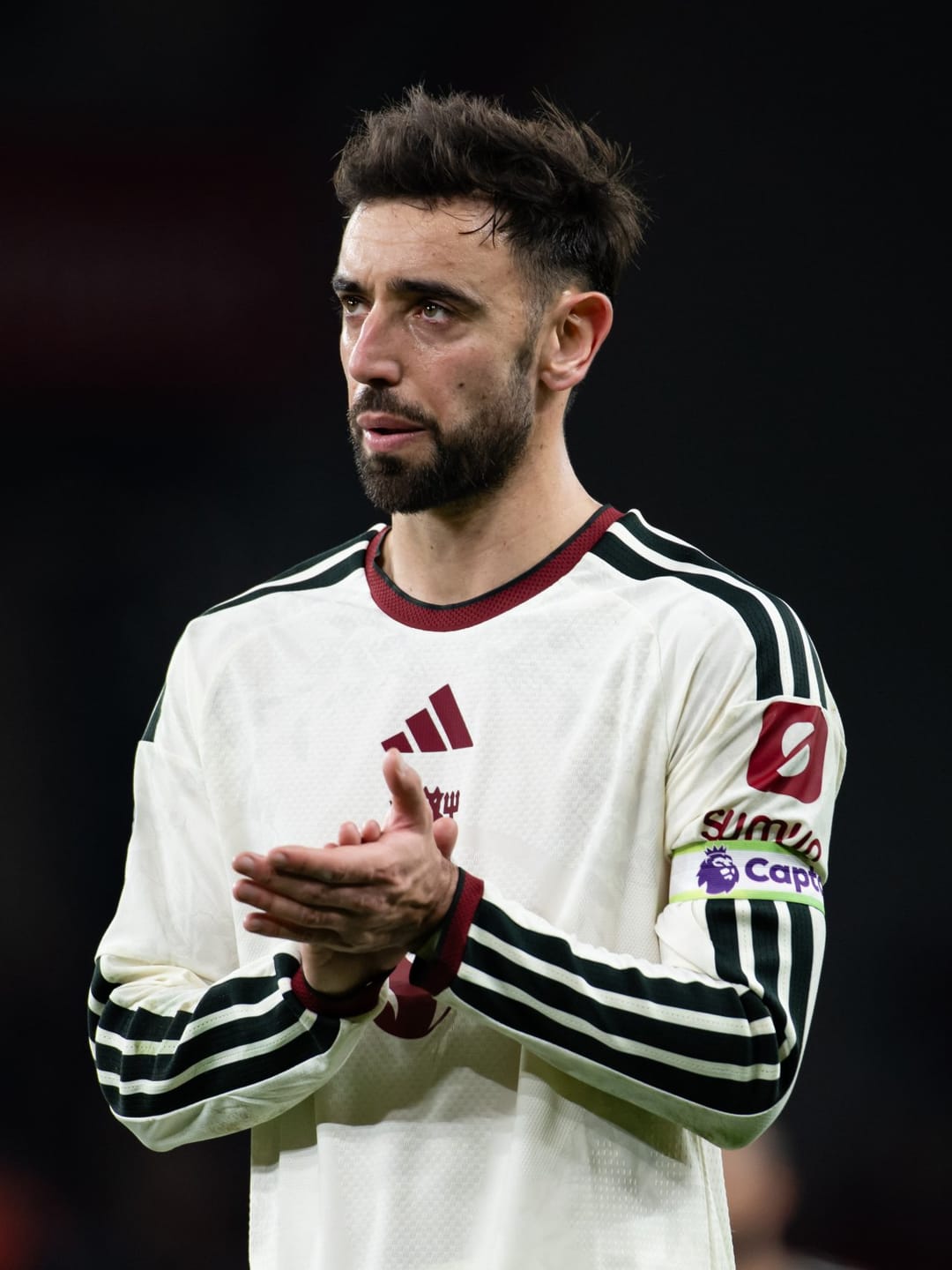
It also puts even more responsibility on Bruno Fernandes. Too often the captain is expected to do something.
Whether that's through creativity, leadership, or the ability to produce a moment of magic when things start to fall apart.
Fernandes is a key player, but he cannot be the man to carry a whole team on his back. United need more players willing to take responsibility, rather than having their captain find the answer all the time.
There needs to be a better balance in the midfield, in terms of the technical quality and the physicality required to play in the Premier League.
The lack of quality on the bench was another issue. Liverpool had far more options to alter the course of the game; Pochettino's alternatives were far more limited.
Zirkzee's introduction at half-time was his 7th substitute in 8 games, underlining their dependence on changes and the lack of depth to actually make any difference.
The Red Devils need players who can take the game, protect the back line, and give Fernandes the kind of support he needs.
4. Is The Manager Really The Problem?
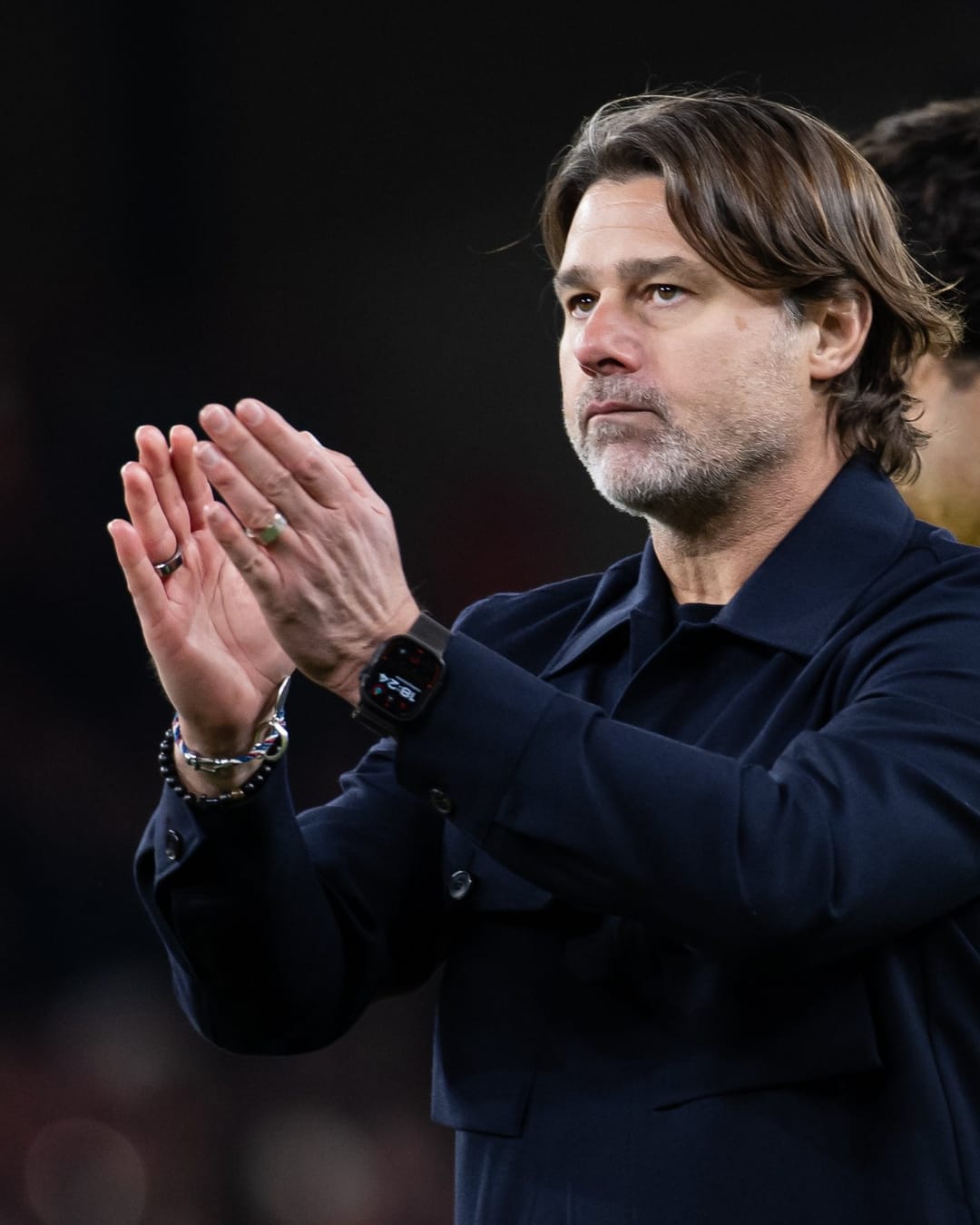
Pochettino's first afternoon in charge could hardly have gone worse, but the problems he has inherited raise the bigger question about Manchester United.
How much responsibility should fall on the manager when the same deficiencies have, in fact, persisted under several different managers?
United's defensive errors, lack of consistency, and inability to come out of a difficult situation are by no means new problems.
Some would have the manager take responsibility for getting the best out of the players. There is a limit to what any manager can do when the squad simply don't have the right qualities.
He made a change after Yoro's dismissal, bringing on Harry Maguire for Bryan Mbeumo and going back to a back five, which saw Patrick Dorgu move to left wing-back, Diogo Dalot to right wing-back, and Maguire joining De Ligt and Martínez in the heart of the defence.
It was a sensible response, as it did help United contain Liverpool for a period. The only problem was that you were starting De Ligt and keeping him on despite the problems he was having with Liverpool's attacking football.
The Red Devils' stats on the slide are just as concerning. Their run of games without a win is their worst since 1990.
That lack of response tells you everything about the mindset in the squad. If things go wrong, there is absolutely no fight, no belief that you can turn it around.
There is also the wider issue of the club's management. Over the past 13 seasons, United have, on average, finished 24 points behind the league leaders. Managers have come and gone, but the same problems keep cropping up.
Is it successive managers failing to get their message across, or has the board simply continued to fail to provide the right people to turn the club around?
Pochettino has absolutely zero time to work with the squad before the next game as they face Sporting CP on Wednesday in the Champions League.
He is going to need to get to know the players extremely quickly indeed. If he wasn't already in any doubt about the scale of the job, then Sunday's defeat will have put it beyond question.
5. A Huge January Transfer Window Awaits
If Sunday's performance taught us anything, it's that United can't afford another transfer window without addressing their defensive issues.
The decision not to recruit another defender or two in the summer is looking increasingly difficult to justify. If you look at the players available, it's hard to see how that defensive unit would be consistent enough to compete for the big prizes.
Pochettino needs to build from the back. The Red Devils need defenders with pace, positional awareness, and the ability to handle the attacking football that the teams in the Premier League play.
They also need more depth. The younger players need experienced players to mentor them rather than just being left to learn on their own devices while effectively being the entire back line.
Luke Shaw's return could provide another defensive option, but one returning player will not fix the wider issues.
The midfield too needs looking at. Mainoo and Tielemans have clearly lacked energy, and Fernandes needs more support rather than having to do it all himself.
The difference between the two benches at Anfield was a stark illustration of the gap in quality and depth between the two clubs.
United need players who can elevate the first eleven and, at the same time, give Pochettino real options when things aren't going their way.
Sitting 2nd from the bottom, just one point above Crystal Palace and with a goal difference of minus nine, United are in an extraordinary position for a club that's quite rightly expected to do much better.
January will not solve all of it overnight, but if you don't deal with the glaring deficiencies, Pochettino will be in a very difficult position for the rest of the season.
A Long Road Back
United's new era under Pochettino has kicked off in defeat, and there's no getting away from the magnitude of the problems he's inherited.
Liverpool absolutely deserve the plaudits. They were excellent in large spells, using their pace, movement, and attacking quality to really expose United's frailties.
Ngumoha was absolutely superb, Wirtz was a constant problem, but for United this was about so much more than one red card and one difficult afternoon.
Three dismissals in four games, a defence that can't keep a clean sheet, a midfield that can't compete, and the sheer amount of responsibility on Fernandes' shoulders all point to a much bigger rebuilding job.
Pochettino needs time, but time alone won't fix it. The board have to understand that recruitment and squad building have been absolutely fundamental to the club being where it is.
A very harsh introduction for the new manager and probably the most brutal illustration yet of just how much trouble Manchester United are in.
If Pochettino didn't already fully appreciate the scale of the rebuild required, he certainly does now.
