


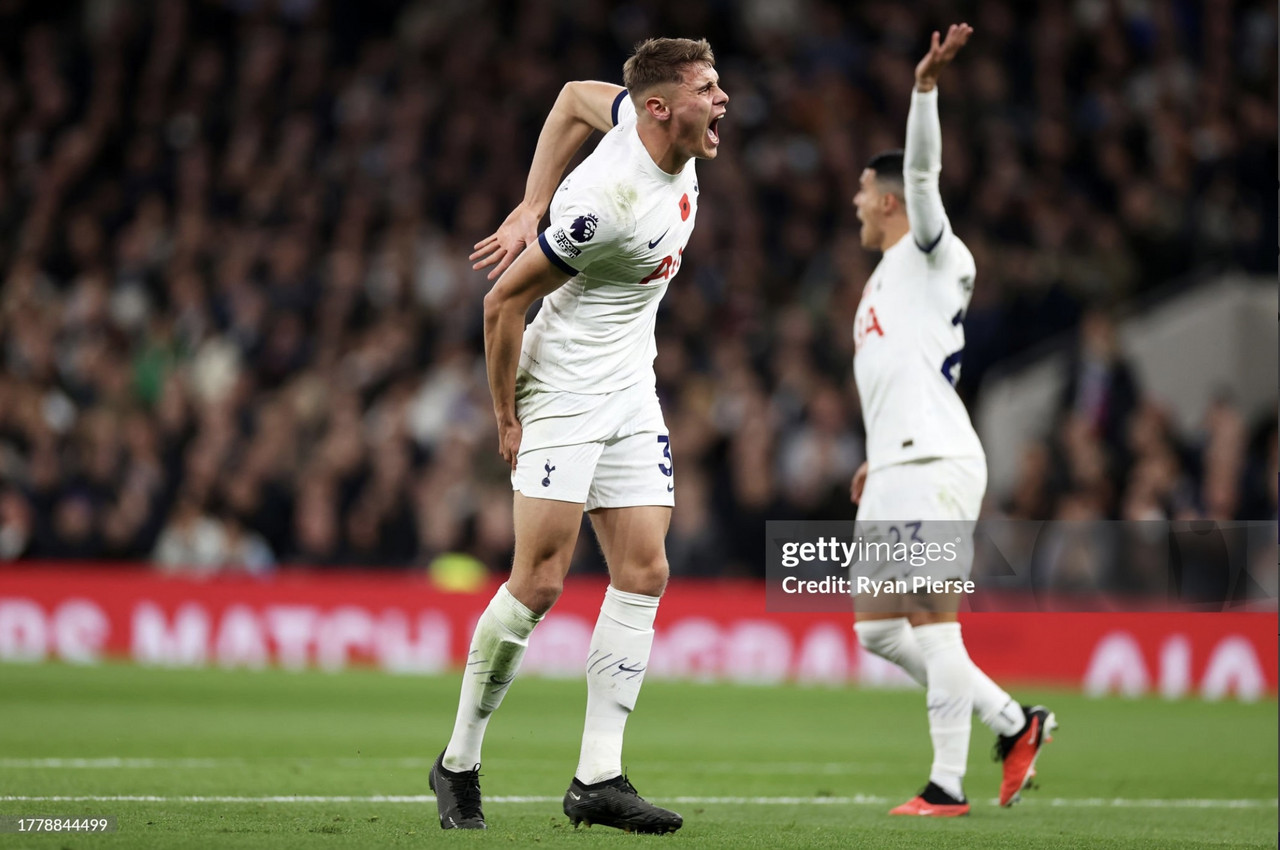

Most believe a key factor of why injuries are being picked up is due to the sheer amount of football that has been played at the top level in the last three or so years.
Clubs have had to catch up from the COVID-19 break that came into effect in March 2019 through to June of the same year, which meant the 19/20 season didn’t finish until the latter stages of July.
The late finish ensured players didn’t get a pre-season, as the 2020/21 season started in mid-September, just three/four weeks after it usually would without unforeseen disturbances.
The Premier League, and other leagues, had no option but to play catch-up. The games needed playing. However, now in 2023, we are seeing three different international breaks occur just twelve games into a PL season, it’s not even December yet.
Fans are labelling the EURO 2024 qualifiers as pointless; is there any wonder why they’re making this claim after France humiliated Gibraltar 14-0 a few nights ago, and England played two games on Friday and Monday, one of which required travelling to Macedonia, in a group they were already guaranteed to top? Rest assured football fans, the next international break now isn’t until March, phew.
-
Absences galore
Key absences at the moment include Kevin de Bruyne (Manchester City, due date unknown), Luke Shaw (Manchester United, back in training in late November), James Maddison (Tottenham Hotspur, due date mid-January), Micky van de Ven (Tottenham, due date unknown), Christopher Nkunku (Chelsea, due date December) and Pedro Neto (Wolves, due date mid-December) among many more.
Top clubs are expected to compete in multiple competitions, and the players listed can determine a team’s season with how important they are, as well as being influential for their national sides.
The injury crisis, as it’s being labelled, isn’t going to get any better. As of 20/11/23, there are currently 196 injured players in the Premier League, a record amount since figures have been taken. With the festive congestion, another international break in March and a European Championship next summer still to come, is it likely that this number will rise?
Managers have been quick to pick up on how many fixtures are being played at the elite level, including Jurgen Klopp, who said earlier this year: “It’s not like we want to put them (the players) in cotton wool and say ‘don’t touch them’ until they are awake (referring to early kick offs after an international break).
"It’s about helping them to be in the best possible shape to deliver the best possible performance. Yeah, playing at 2 pm is much better than playing at 12:30 pm. Yes, it’s only one and a half hours but you only can say this if you don’t really understand the issue.”
It’s not just Klopp who is frustrated at the amount of fixtures being played. Raphael Varane, Manchester United’s centre-back who has struggled with his own injuries in the last 18 months, took to his X (formerly known as Twitter) account in August and said: “We had a meeting last week with the FA. From the managers and players, we have shared our concerns for many years now that there are too many games, the schedule is overcrowded, and it’s at a dangerous level for players' physical and mental well-being.
"Despite our previous feedback, they have now recommended for next season: longer games, more intensity and less emotions to be shown by players. We just want to be in good condition on the pitch to give 100% to our club and fans.
"Why are our opinions not being heard? As a player, I feel privileged to do the job I love every day but I feel these changes are damaging our game. We want to be at our maximum level. I believe it is important that we, players and managers, highlight these important issues and we want to protect the game we love and give the fans our best.”
Varane's comments clearly highlight that there is frustration among the players in terms of the way they are being expected to compete in various competitions so regularly, which can be seen as a bad look for the event organisers such as the FA.
