



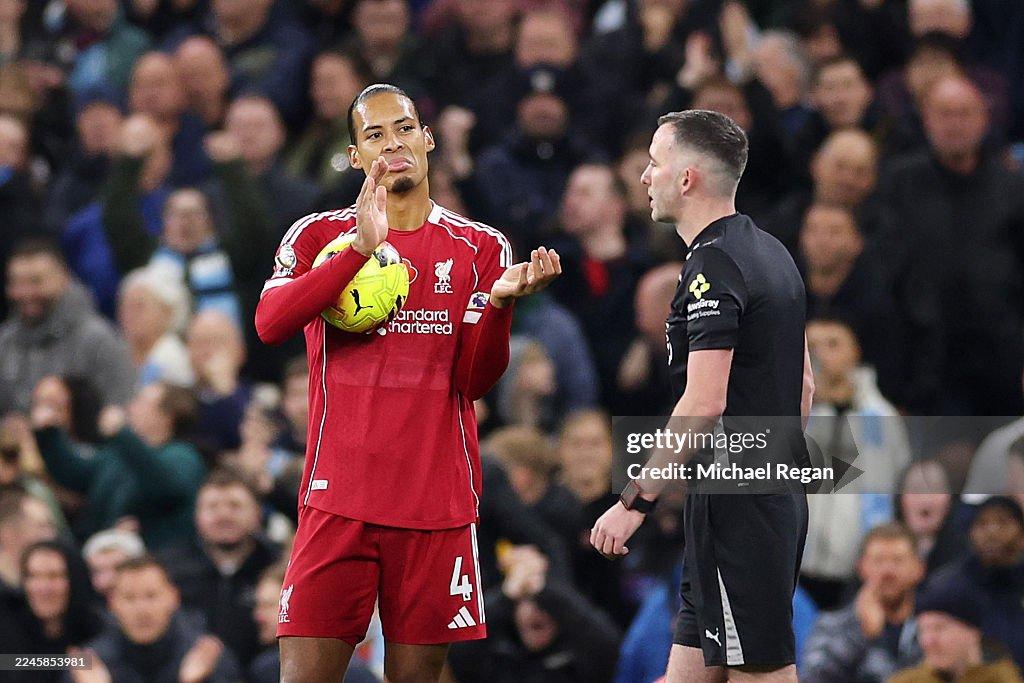

Liverpool have contacted the Premier League’s refereeing chiefs to raise concerns over the decision to disallow Virgil van Dijk’s goal in their 3-0 defeat by Manchester City on Sunday.
The Liverpool captain’s header was ruled out because Andy Robertson was adjudged to have made an “obvious action” from an offside position when ducking under the ball close to City ‘keeper Gianluigi Donnarumma.
A statement made at the time by the Professional Game Match Officials Limited (PGMOL), the body responsible for match officials across English football, claimed Robertson was “deemed to be making an obvious action directly in front of the goalkeeper.”
However, Liverpool have now written to Howard Webb, the head of PGMOL, to express their dissatisfaction because they believe that the relevant criteria for the goal to be disallowed was not met.
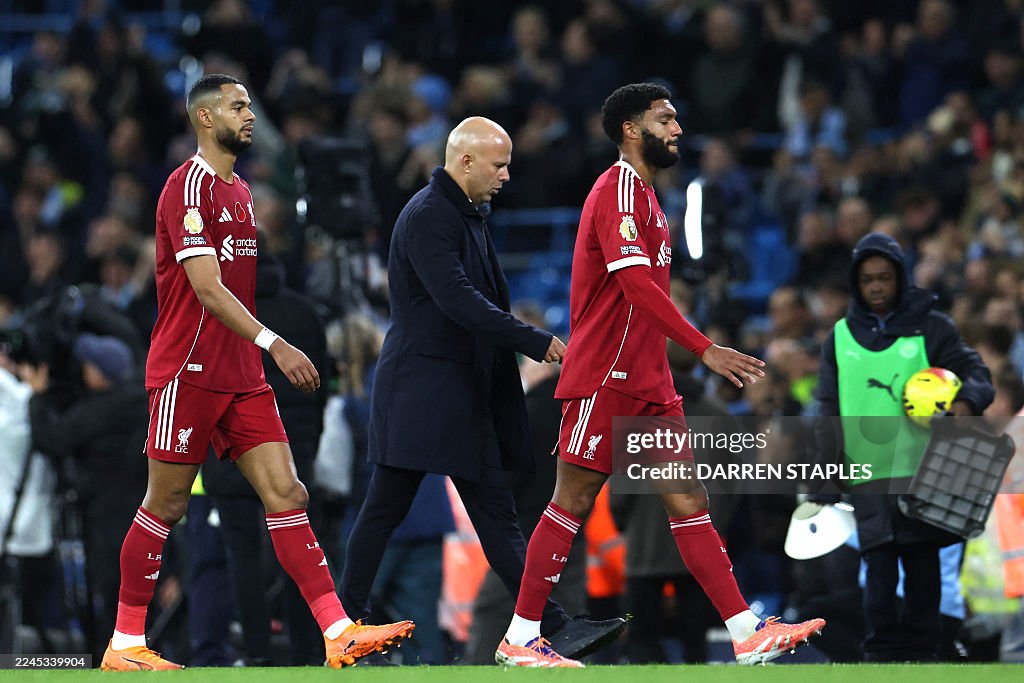
Had the goal stood in the 38th minute, it would have seen the scores levelled at 1-1.
Arne Slot, the Liverpool head coach, said after the match that it was an “obvious and clear” mistake and cited the awarding of John Stones’s goal against Wolverhampton Wanderers last season by the same referee, Chris Kavanagh, despite Bernardo Silva being in a similar zone in front of Jose Sa.
“It is obvious and clear that the wrong decision has been made, at least in my opinion,” Slot said. “He [Robertson] didn’t interfere at all with what the goalkeeper could do. Immediately after the game someone showed me the goal that the same referee allowed – City against Wolves last season.
“It took the linesman [on Sunday] 13 seconds to raise his flag to say it was offside. So there was clearly communication, but that [goal] could have influenced the game in a positive way for us… at 1-1 it would have been the biggest gift we could have at half-time.”
The relevant part of Law 11, which governs offside, states that a player in an offside position becomes active when they are interfering with an opponent by “preventing an opponent from playing or being able to play the ball by clearly obstructing the opponent’s line of vision, or challenging an opponent for the ball, or clearly attempting to play a ball which is close when this action impacts on an opponent, or making an obvious action which clearly impacts on the ability of an opponent to play the ball”.
