

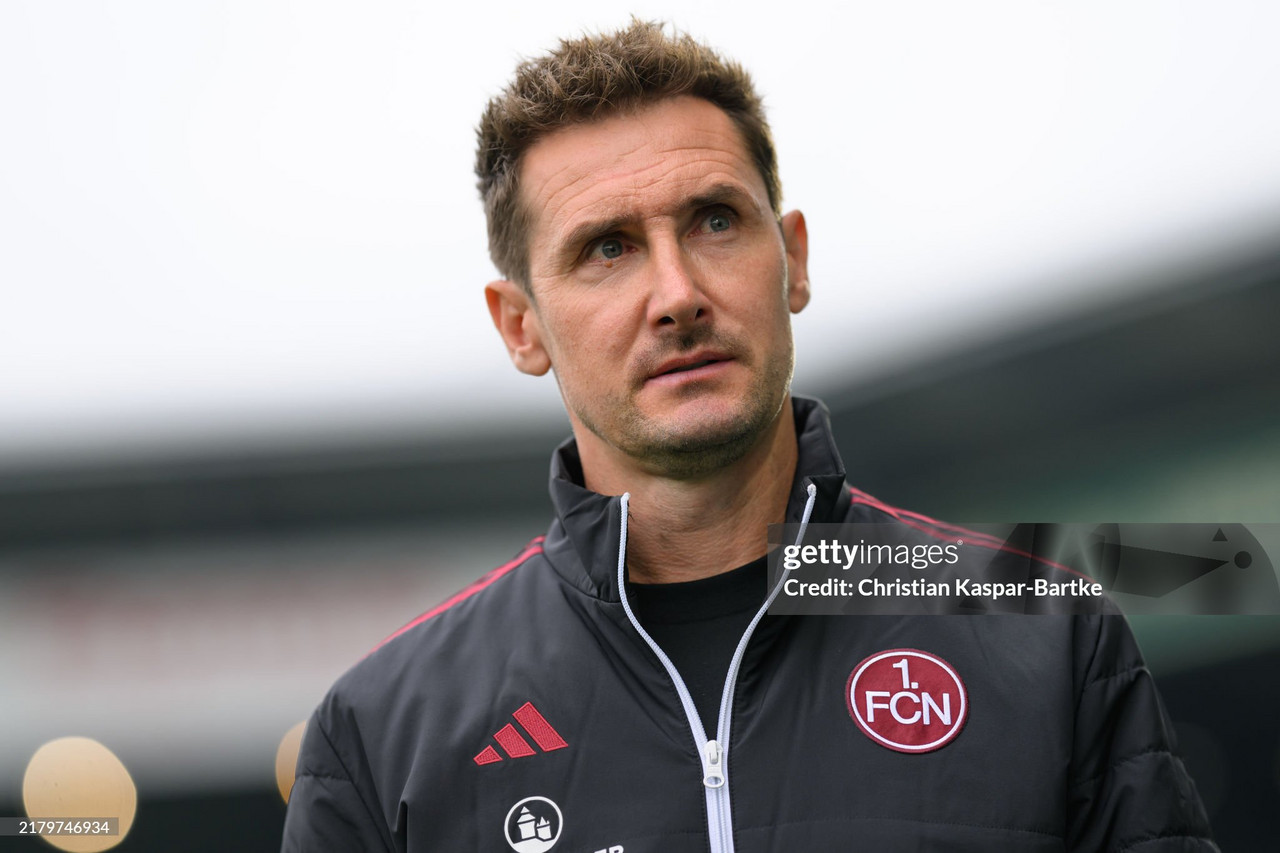

After a glittering career as a player which saw him win two Bundesliga titles, two DFB-Pokals, a Coppa Italia and a World Cup, Miroslav Klose is now honing his skills as a manager.
The Poland-born former striker took his first steps into full time management with Austrian Bundesliga side Rheindorf Altach in the 2022-23 season.
However, Klose managed just five wins in 24 matches in Altach and lasted only nine months.
15 months later, the 2005-06 Bundesliga footballer of the year went for a second bite at the cherry, taking the reins at 1. FC Nürnberg in the 2. Bundesliga.
While question marks over his previous managerial experience were prominent, the potential was enormous and ‘der Club’ took a chance on Klose.
A former elite international goalscorer trying to lead one of Germany’s most historic clubs out of a miserable period, the Hollywood storylines wrote themselves.
A place among the elite
Borussia Dortmund. Schalke 04. Hamburg SV. These are some of the very biggest clubs in the Bundesliga.
But if you were asked the question ‘which German club is second only to Bayern Munich for league titles won?’, none of those would be the correct answer.
It is as good as common knowledge that Bayern are the biggest club in Germany. The ‘Rekordmeister’ have won 33 league titles in their history, and their record streak of 11 consecutively was only broken nine months ago by Xabi Alonso’s Bayer Leverkusen.
Dortmund have lifted the ‘Meisterschale’ on eight occasions.
Their ‘Revierderby’ rivals Schalke have been crowned German champions seven times, while Hamburg have done so six times.
But Nuremberg have been champions of Germany nine times. Only one of those victories came in the Bundesliga era (post 1963).
They have also lifted the Pokal on four occasions, most recently in 2007.
FCN won the league five times in the 1920s, and twice in the ‘30s and 60’s.
‘die Legende’ and its decline
They were the first giant of German football, going unbeaten in 104 matches from 1918 to 1922.
In 1921, for a match against the Netherlands, the national team featured only players from Nuremberg and their Franconian rivals Greuther Fürth, as the sides dominated the league.
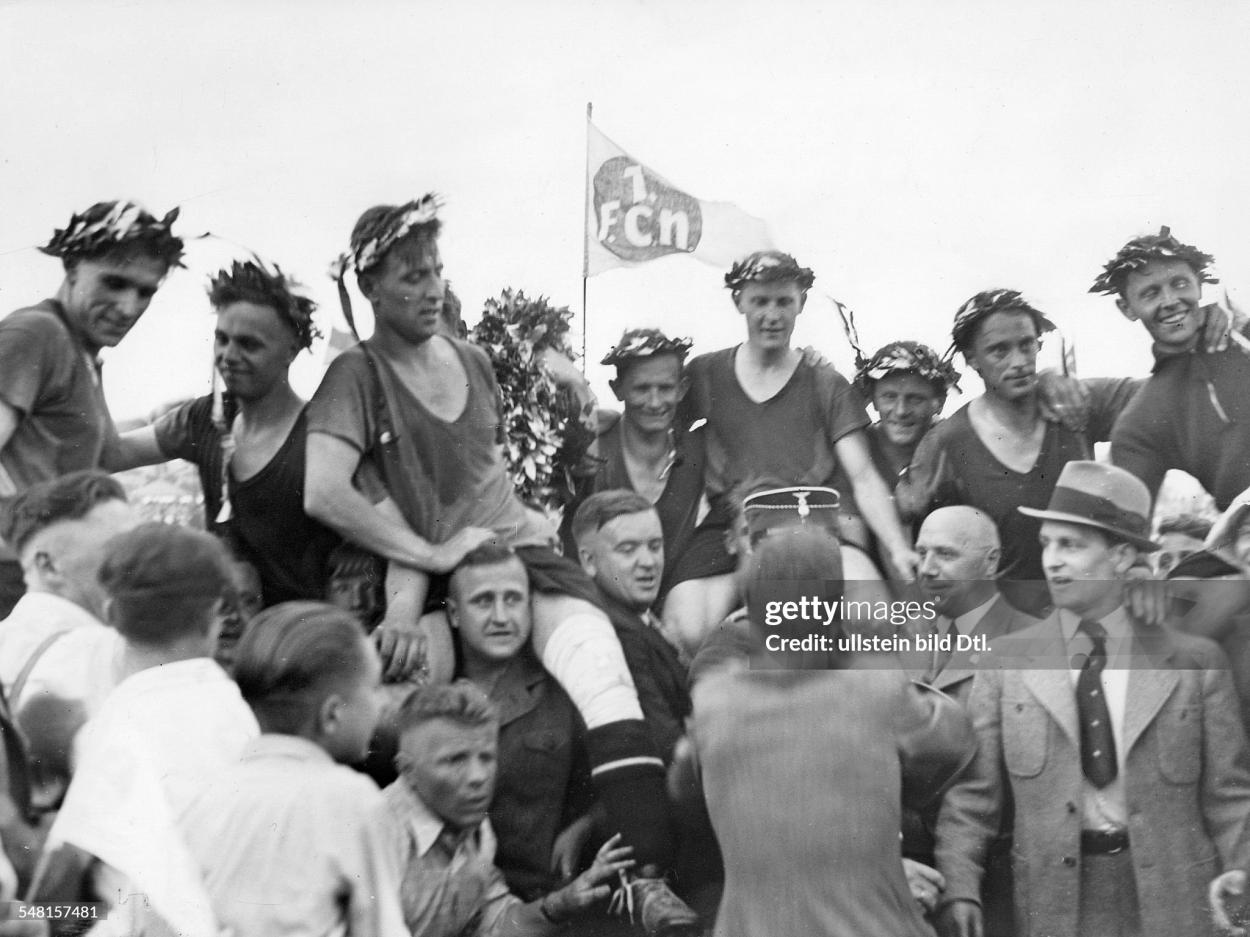
The club’s rivalry with Bayern is still highly respected to this day and is known as the Bavarian derby, with history dating back to the 1940s.
After a fruitless post-war period, ‘die Legende’ enjoyed great success in the 1960s, winning two league titles and a cup, becoming a founding Bundesliga member.
That team was led by goalscorer Heinz Strehl and the legendary Max Morlock, after whom their current home stadium is named.
That stadium was one of the 12 hosting venues at the 2006 World Cup - a tournament in which Klose was the top scorer.
Portugal's clash with the Netherlands there came to be known as the 'Battle of Nuremberg' after a record four red cards and 16 yellow cards were brandished by the referee.
Since then, the club has suffered years of struggle and financial turmoil, causing them to become a major yo-yo club throughout the years between Germany’s top two tiers.
That reputation may be waning, but not for a good reason.
FCN have been stuck in the second division since 2019. The last time they spent consecutive seasons in the top flight came between 2009 and 2014.
Pulling power
One major factor in the Bavarians’ appointment of Klose was the pulling power they would get by bringing him in.
The former Lazio, Bayern Munich and Werder Bremen striker recruited 15 new players. The €11m or so recouped from the sale of Can Uzun to Eintracht Frankfurt was certainly not spared.
Among those were Hoffenheim’s Julian Justvan and Bochum’s Danilo Soares - at face value, good additions for the level.
Robin Knoche, a member of Wolfsburg’s 2015 Pokal-winning side, came in from Union Berlin, bringing bags of experience at a high level.
But two signings in particular have caught the eye most.
21-year-old German midfielder Caspar Jander arrived on a free from Duisburg and Stefanos Tzimas joined on loan from PAOK.
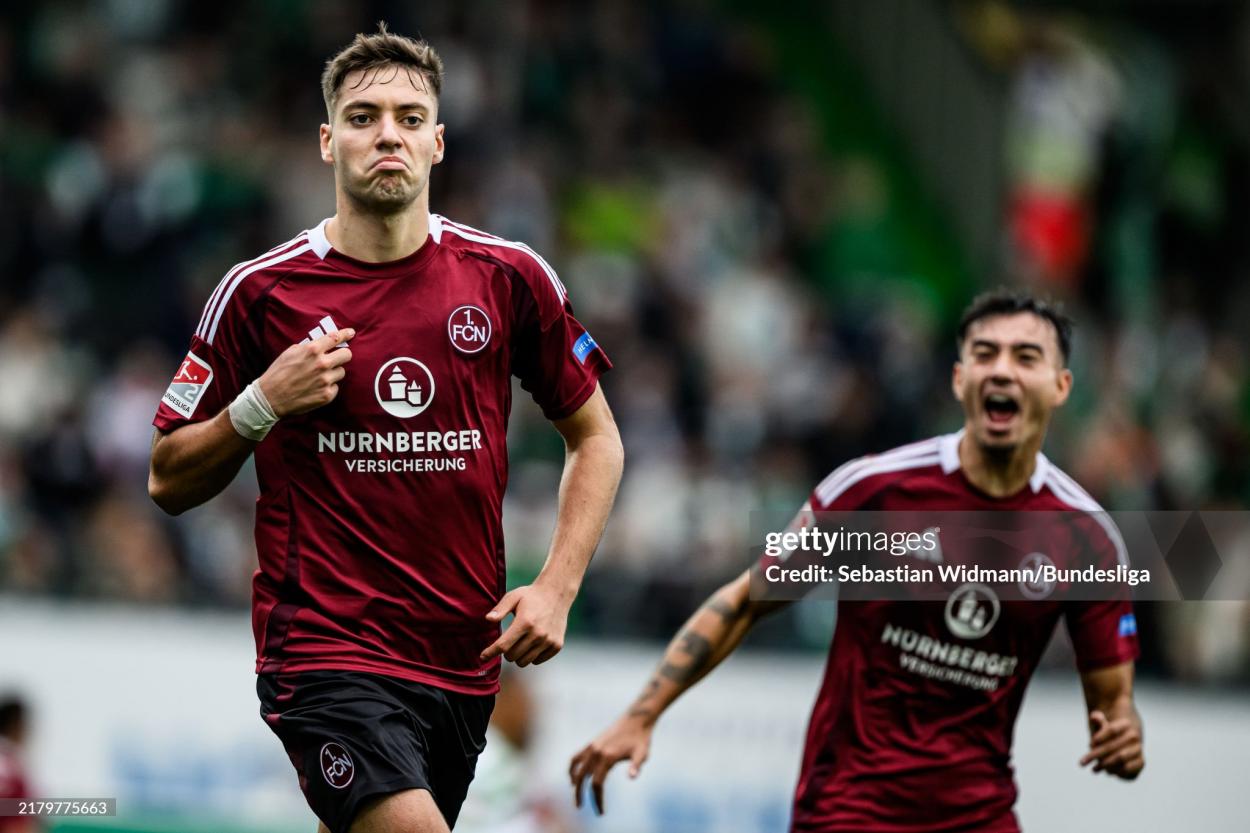
Playing for Klose at a club of Nuremberg’s stature was seemingly too good an opportunity to turn down.
Due to his form this season - the Greek has netted eight goals in 14 league matches during this campaign - Tzimas is now reportedly wanted by AC Milan, Chelsea and Aston Villa.
Jander has produced six direct goal contributions in 16 appearances from midfield this term and has appeared in Kicker’s team of the week several times.
Klose to progress?
After a patchy start to the season, FCN enjoyed a very strong October, in which they scored 15 times in just three league matches, conceding five.
After a 3-2 win over Preußen Münster, a 4-0 derby day thrashing of Fürth and an 8-3 win over Jahn Regensburg, Klose’s side were catching the eye.
They then pushed Hoffenheim close in a 2-1 DFB Pokal defeat.
However, since then ‘der Club’ have won just once in seven matches, taking six from a possible 21 points.
This form leaves them 11th in the table, sitting tightly around fellow sleeping giants Schalke and Hertha Berlin.
Club legend from the 2007 Pokal-winning side, Javier Pinola, has also joined Klose’s coaching staff during the season.
Klose’s men are just six points behind the top three, and while there may be question marks surrounding the German’s credibility as a manager, this league is so tightly poised and anything could happen in the coming months.
Just seven clubs in the Bundesliga are recording a higher average attendance than Nuremberg, and they are only eighth for attendance in the second tier.
This city, steeped in history and charm, is longing for the glory days to return.
Is Miroslav Klose the man to help bring them back? Only time will tell.
