

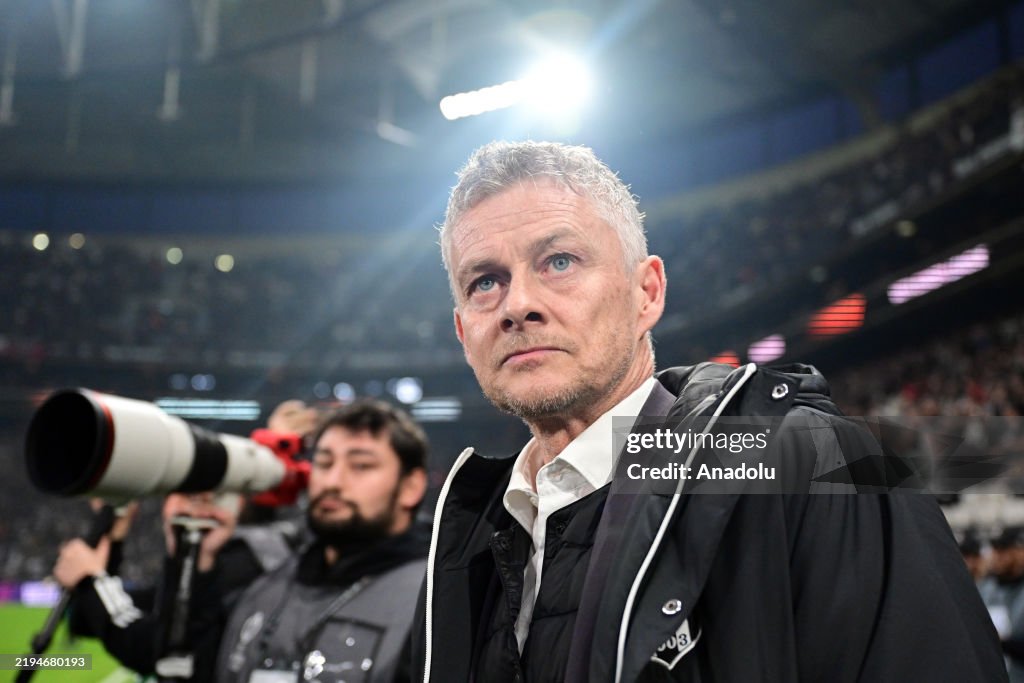

At his unveiling as Besiktas’s new head coach, Ole Gunnar Solskjaer said of wanting “to feel the heartbeat racing again”, the 51-year-old has certainly chosen the right place to feel the burn.
Three years after departing Manchester United, Solskjaer is back in at the deep end. If the former striker thought that the challenge in England’s northwest was a tough one, then the job in hand in Istanbul is arguably even bigger. It is certainly an uphill task in The City on Seven Hills.
Besiktas are part of Turkey’s big three, alongside Galatasaray and Fenerbahce, but have won only one Super Lig title in the past seven years. They finished sixth last term and the gap this time around is even bigger between them and their city rivals.
The Black Eagles, as they are known, are believed to be the oldest of the storied trio but are at risk of falling behind. Their league title count of 21 is below Galatasaray’s 25 and Fenerbahce’s 28.
Not only are Besiktas some 25 points behind leaders Galatasaray this season but they find themselves currently seventh in the standings, behind the likes of Samsunspor, Eyupspor and Goztepe. Anything less than a third-place finish means falling well below par.
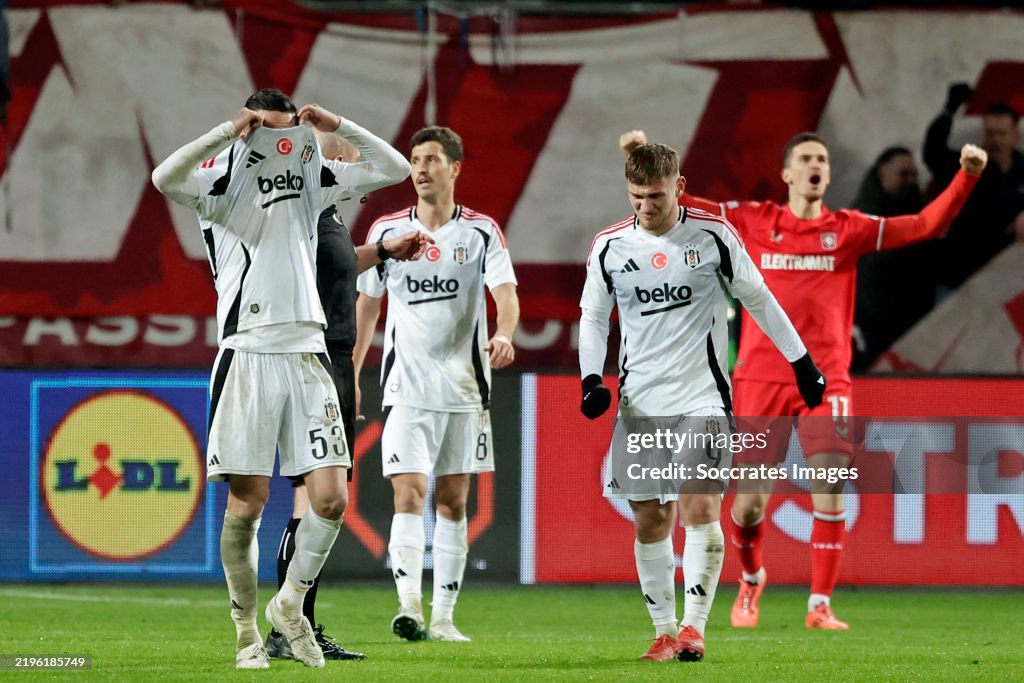
A turbulent recent history
Recent times have been turbulent for Besiktas, who are based in the trendy and up-and-coming district of the city. An abundance of restaurants and cafes may line the streets near the 42-500-capacity stadium, which was opened in 2016, but trouble brews as well as the Turkish tea on offer.
Solskjaer knew what he was walking into and admitted last month that he has turned down less challenging, more stable jobs than the one he accepted in the city where east meets west. His 18-month deal stands for little at Besiktas.
The club have raced through 28 managers since the turn of the century — including notable names such as Vicente del Bosque, the former Spain manager, Senol Gunes, a one-time Turkey coach, and Slaven Bilic, who the locals loved but still could not secure a league triumph.
Solskjaer got the perfect start when he oversaw a 4-1 victory over Athletic Bilbao in the Europa League. Following that raucous premier he even said that it was “one of the best feelings I’ve had in my life as a coach”.
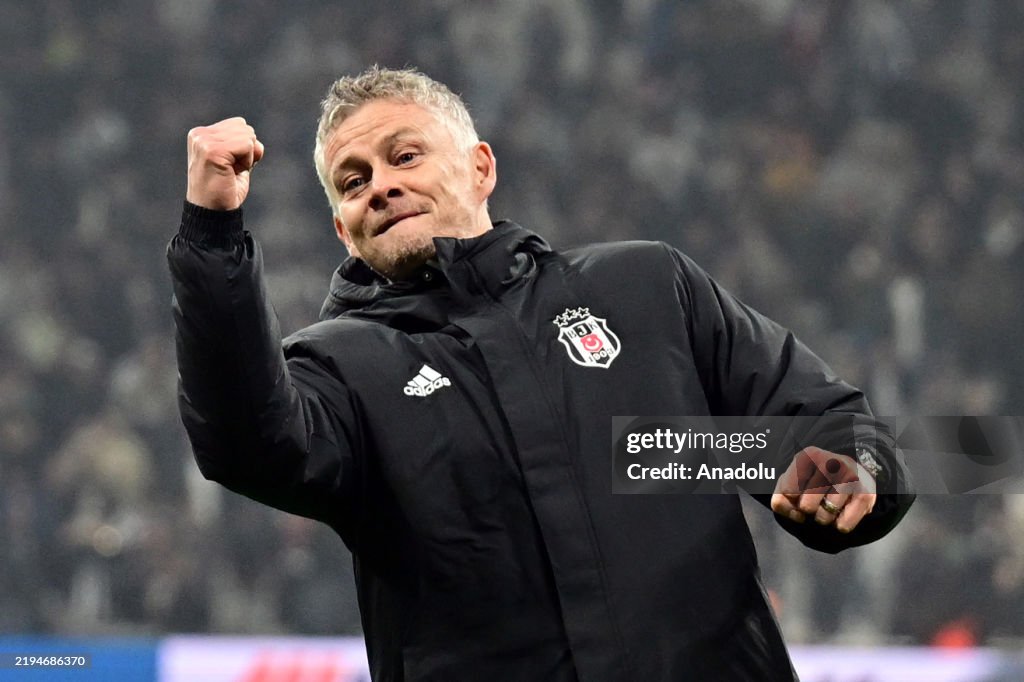
Yet, the Norwegian was brought back down with a bump when defeat to FC Twente in last week’s final league game ended Besiktas’s European travails, and that came after a rather insipid 1-1 draw away at Antalyaspor on Solskjaer’s domestic debut.
It is not how you start, though, it’s how you finish; and Solskjaer can learn from his predecessor on that. Giovanni van Bronckhorst was welcomed into the hotseat last July, managed a fabulous 5-0 victory over Galatasaray in the Turkish Super Cup, but was out by November.
Aside from form dropping off a cliff after an eight-game unbeaten start to the league season, boardroom unrest also makes Besiktas a fragile place to enter. Hasan Arat resigned as president less than a year after his election to the post and an emergency poll in December voted in Serdal Adali as his successor on the proviso that there will be new elections in May.
It is also an ageing squad that Solskjaer inherits. Gabriel Paulista, Alex Oxlande-Chamberlain, Joao Mario and Ciro Immobile are the more well-known 'experienced' faces that have greeted him.
Gap is developing between Besiktas and the top
There is therefore no surprise that some candidates turned down the head coach role when approached while interim manager Halim Okta was in charge, but it is one that Solskjaer sees holding opportunity.
Turkish football is not at the forefront of European football but it can grip you all the same with its colour and noise. The fervour with which supporters live their lives through their clubs makes it an all-encompassing sport, especially in Istanbul. Players and managers often speak of feeling as though they are part of something much bigger.
Solskjaer also has a reputation to enhance — if not rebuild. He left United having finished runners-up in the Premier League with a squad that his predecessors have struggled to get a tune out of, and yet more questions than answers remain regarding his coaching career as he takes a step into the unknown.
Mourinho faces the same battle
Look across to Fenerbahce, on Istanbul’s Asian side, and Solskjaer will see another former United manager. Jose Mourinho may be more advanced in his career and a very different character to the new Besiktas boss, but he also finds himself trying to cope with the heat of the Turkish battle.
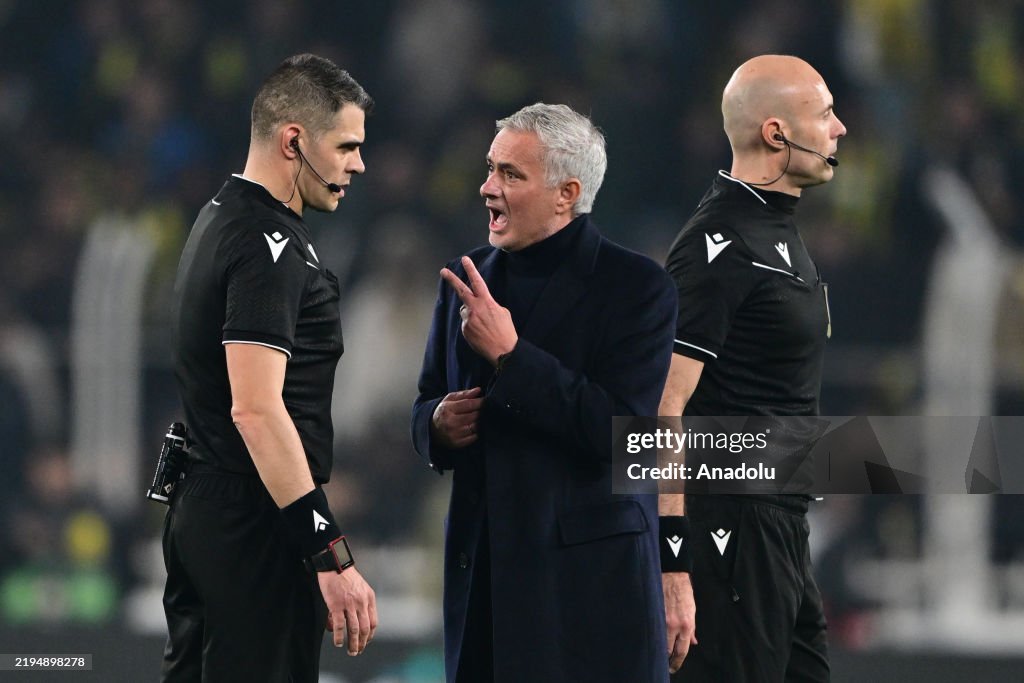
Managing on Europe’s periphery is something Mourinho hasn’t done before in his 20 years as a head coach. Fenerbahce have not bettered second place since 2014 and although Mourinho has them sitting close to the leaders again, it has been a testing first seven months.
Calling out the standard of refereeing and questioning the level of professionalism in Turkish football has hardly won Mourinho any new friends within the federation.
It is the reigning champions, Galatasaray, that Mourinho’s Fenerbahce are trying to catch and Solskjaer’s Besiktas are attempting to emulate. Yet their squad is far superior — boasting the likes of Davinson Sanchez, Dries Mertens, Mauro Icardi, Victor Osimhen and, the newly-signed, Alvaro Morata.
For now at least Solskjaer will be concentrating on getting his own house in order, as much as he can. The reasons for failure may stack up and the feeling of a club in limbo may persist but there is no doubt that life in Istanbul will have Solskjaer’s heart racing again.
