



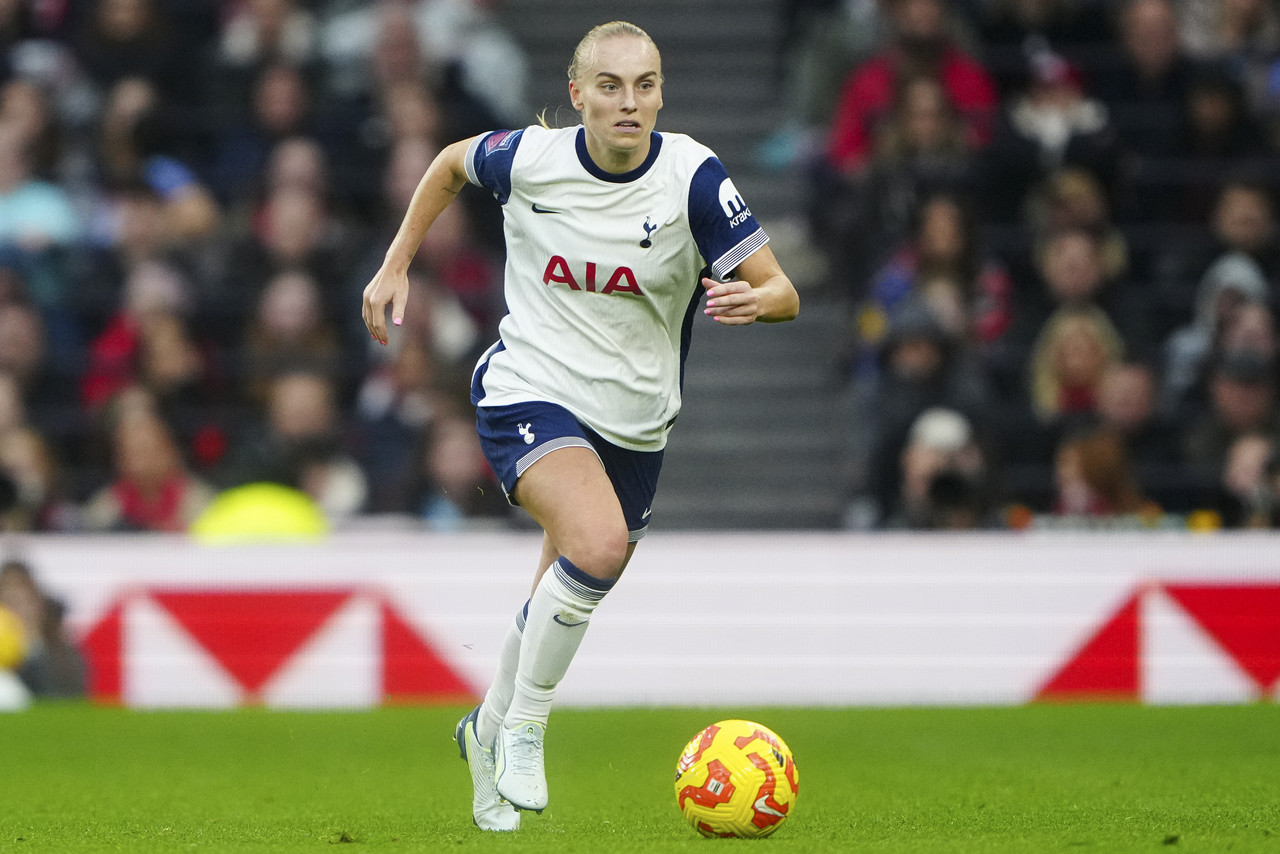

“It's hard to talk about. I was really low, the lowest I've ever been in my entire life,” Tottenham Hotspur defender Molly Bartrip exclusively tells VAVEL, looking back on her anorexia, depression and anxiety diagnoses as a youngster. “It was scary.”
At the age of 14, whilst in Arsenal’s academy, Bartrip was diagnosed with anorexia nervosa, a type of eating disorder and serious mental condition. It came after she was injured on England U15s duty in the Netherlands, with Bartrip forced to watch her friends live her dream from the sidelines.
The now-28-year-old’s road to recovery took years. It was a battle, which first saw her hide food or give it to her brother, Joe, before it eventually turned into trips to hospital to be tube fed. Even when she did start eating again, it wasn’t normally as she struggled to put on weight.
It’s a situation now far too common in modern-day society, with research via Priory suggesting between 1.25 and 3.4 million people in the UK are affected by an eating disorder.
Everyone has obstacles in life, and Bartrip knows that first-hand. When she was 21, then at Women’s Super League club Reading, the defender was diagnosed with depression and anxiety.
It’s hard for the Tottenham centre-back to vividly remember those years. “It was such a blur,” she says, but her decision to open up about her story received praise from around the world.
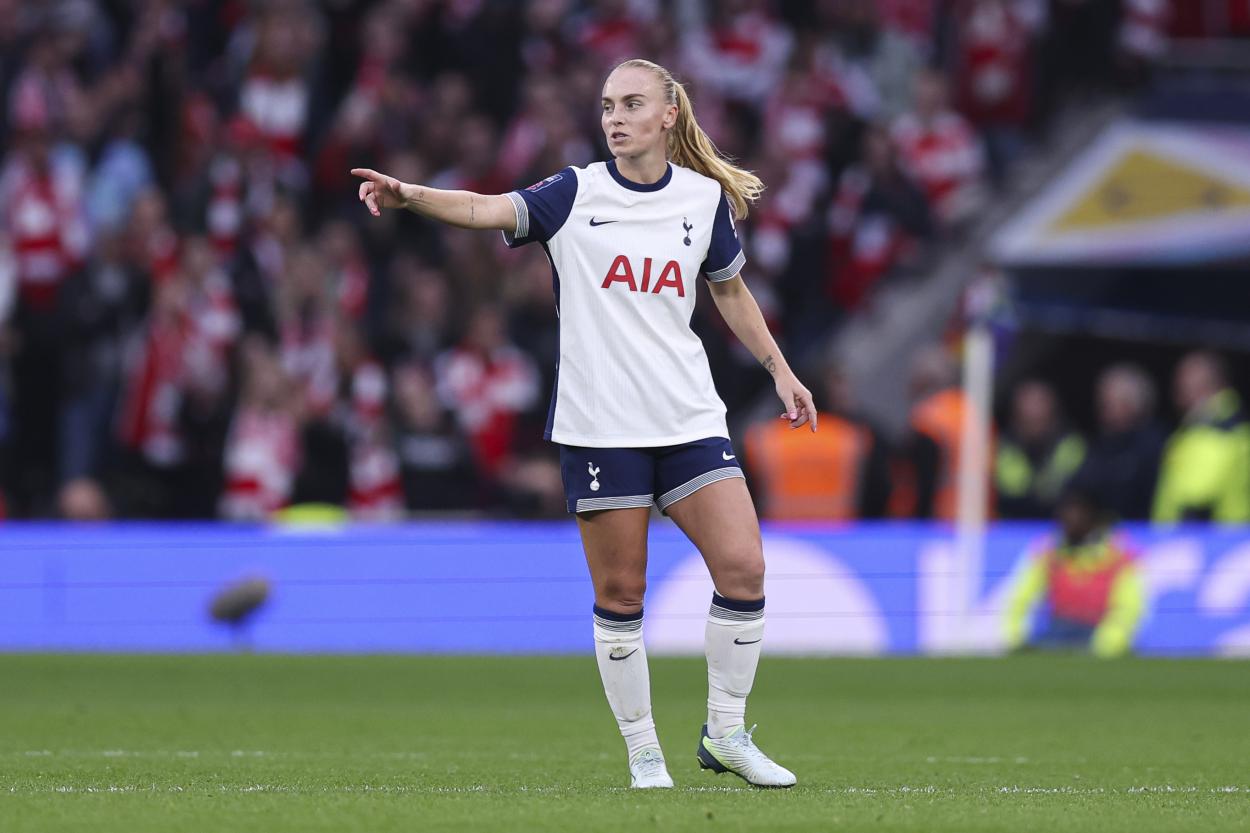
Bartrip is now a vice-captain at Spurs and a key member in Robert Vilahamn’s side. She thinks she doesn’t “give herself credit” for her remarkable rise, and there are still days where the 28-year-old struggles, but Tottenham let her “be free” and are “super accepting”.
Her battle against adversity has been inspirational and, over three years on since she wrote her piece with The Players’ Tribune, Bartrip sat down with VAVEL at Hotspur Way to discuss her story, the issue with social media and how football can change for the better.
Mental health’s stigma “is going”
Women’s football is — and has been for a while — on the rise in the UK. After the Lionesses’ Euro 2022 triumph, media coverage and attendances grew, but – naturally – that has also led to increased pressure.
More prize money is at stake, players are often expected to spend time with fans post-match, although several clubs have brought in official measures, and there's been increased wages. It leads to pressure.
While that pressure has grown, Bartrip believes that it was a cause of her anxiety and depression diagnoses at the age of 21. She was at WSL side Reading at the time, competing against “some of the best players that have played in this league”, and the defender calls for clubs to do more, just like Spurs.
“My advice to clubs now is to make sure you support players. At 21, I really needed that extra support and realistically I only had my family and sometimes your family can't do it all themselves. They're battling with their own stuff and also they're stressed because their daughter's not well,” she tells the site.
“I just hope there's more knowledge now and I see it. I know Tottenham are really good with it.”
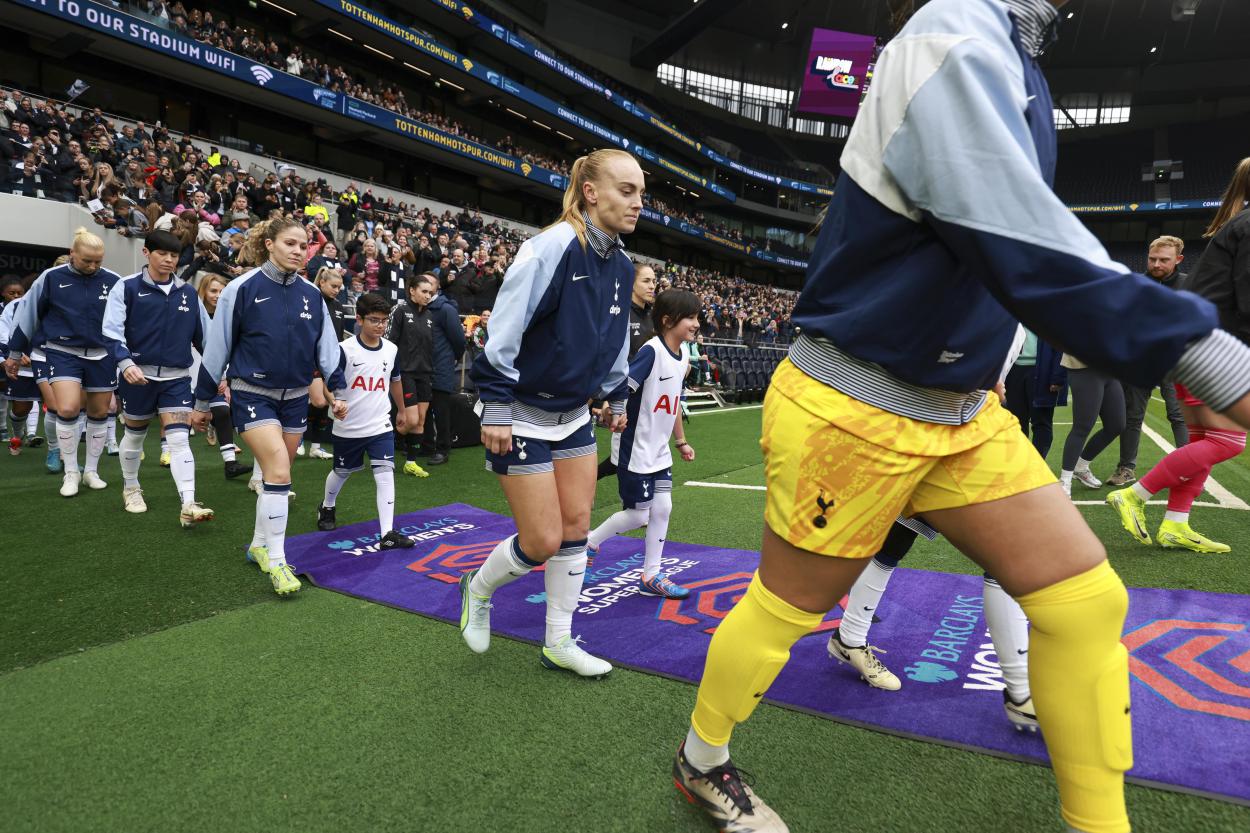
The issue is highlighted by stigmas in football. A stigma, by definition, is a ‘mark of disgrace associated with a particular circumstance, quality or person.’ It makes it harder for people with mental health conditions to live their lives as they feel unable to open up.
Men’s football always used to be a ‘closed environment’. Fans only talked about the beautiful game, not their own lives, players rarely spoke out about their personal issues and coaches often dropped them if they were ever struggling. The sport has been behind society in that aspect, but the stigma is starting to be worked down.
Women’s football has shown that it can be done as well. As of October 2024, there were 49 openly gay WSL players compared to zero in the Premier League, and athletes regularly discuss issues off the pitch. Bartrip is one of those stars, and she believes that the stigma, while still present, is slowly being removed.
“I think it's going, but I still think it's there,” she says, also praising the likes of Viviane Miedema, Beth Mead and Niamh Charles for all speaking out.
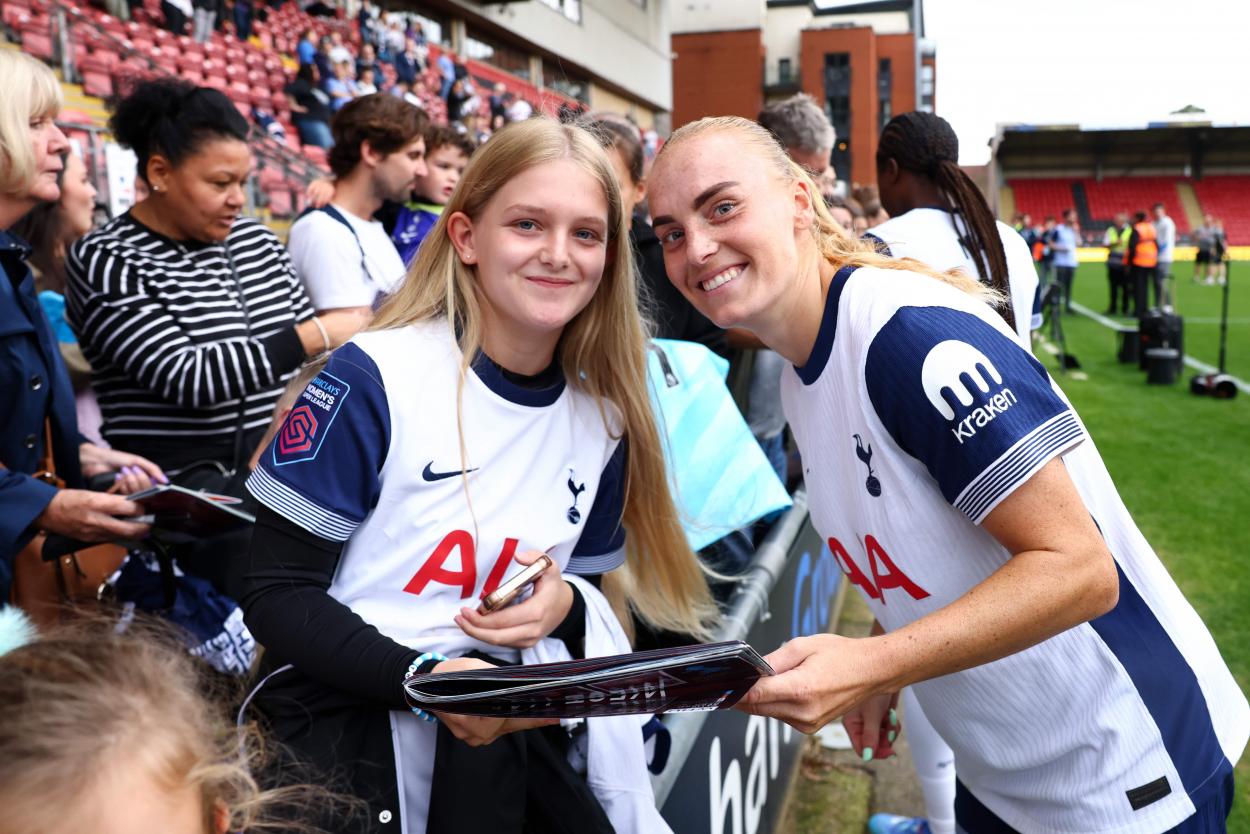
“I believe that there's a lot more players out there that struggle, and they just don't want to admit it. Are we there yet? No, because I do think there is still a stigma, so people are scared to talk openly. You're seeing more players do it and I love that.
“I think we're [women’s football] really trying to push it. We're trying to push for making sure we're good advocates for mental health and just being good role models in that way, too.”
Football needs “more education” on mental health issues
In England, Premier League, EFL and WSL footballers have access to a network of counsellors via The Professional Footballers’ Association, and they also offer a 24/7 helpline to call if they think they are struggling.
When Bartrip was first diagnosed with anorexia at the age of 14, she was well-supported. Her club, Arsenal, “were huge. I honestly can't fault them for what they did.” The Gunners have been a leading club in the women’s football sphere for years, and Bartrip admits they “supported me every day” and said “there’ll be a place for me” when she recovered.
However, there are still countless cases of players not being provided the support they need. A report from FIFAPRO after the 2023 Women’s World Cup found that more than 150 players said they lacked mental health support during the tournament whilst underfunding, in comparison to the men’s game, remains clear.
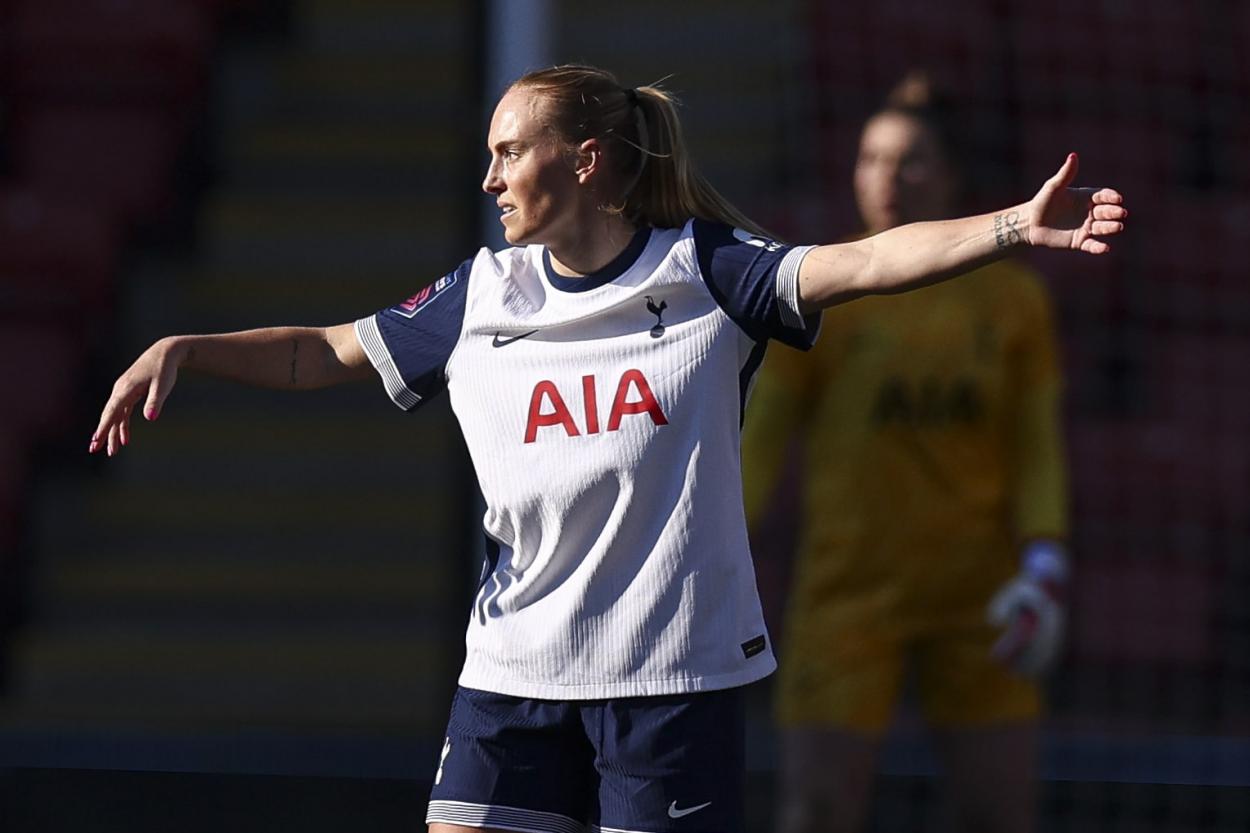
In 2022, Bartrip said football wasn’t 'fully equipped to deal with these issues” and that there was “more work to do'. Three years on, she believes the situation has improved, citing the importance of every club having a psychologist.
Spurs’ psychologist is with the team every day and the defender know how important it is for players to be able to speak to her at any time. Bartrip is, in fact, full of praise for her current club. “They allow me to be free, they allow me to feel the way I feel. and I still struggle, but they know that and they're super accepting of it. I can't ask much more than that,” she says.
Manager Vilahamn and assistant coach Vicky Jepson have also played a key role in supporting Bartrip. The 28-year-old has known Jepson for a “long time” and she’s seen “the best and worst of Molly”.
“She’s always there for me, supports me and she tells me when I'm not good enough, but she'll also tell me when I've been where they want me to be,” Bartrip admits, continuing the same praise for Vilahamn, who she has a “really good relationship” with.
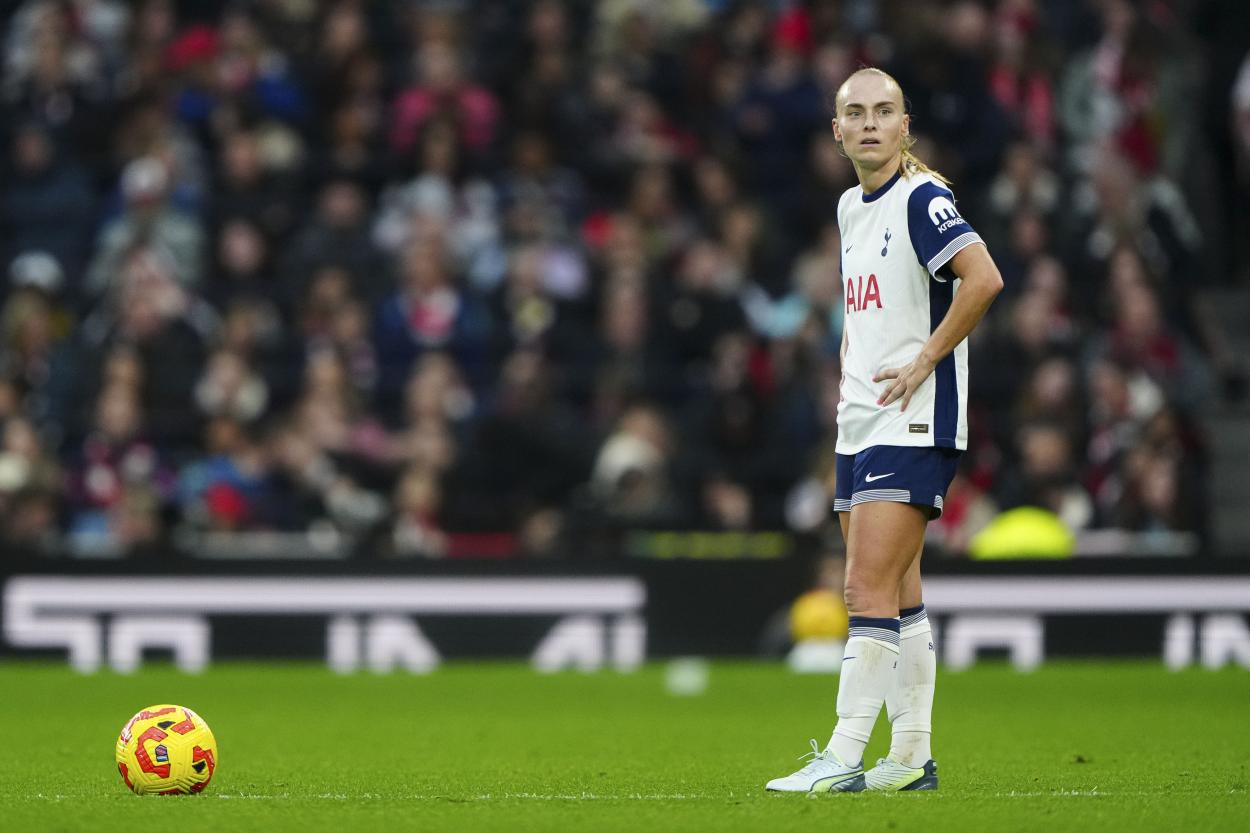
Bartrip is hoping that other clubs can be just like Spurs, a side who are pushing for the best facilities in the world after receiving planning permission for a state-of-the-art training ground next to Hotspur Way on February 11th.
“We need to have more education on mental health because we’re all playing or we're dropped or we're injured or, all of a sudden, you're in an FA Cup final and you’re playing in front of 80,000 people,” she highlights at Hotspur Way.
“Not everyone has experienced all of that. So when it hits them, a lot of players don't necessarily know how to deal with it. That’s the scary area — the grey area with athletes is you don't know how you're going to react and deal with things. That’s why it's so important to have a psychologist.”
Abuse on social media “affects people differently”
Social media has witnessed a dramatic rise in this generation. In 2010, Twitter had just 54m monthly active users, but in 2023, it was 541m according to Famewall. It’s fundamentally changed football’s landscape, but it has not all been positive, with abuse also increasing.
Since Elon Musk acquired Twitter, now named X, in October 2022, hate speech increased dramatically. Work by researchers from the University of California showed that hate speech on the site was 50% higher for at least eight months after the multi-billionaire took control.
It has unsurprisingly led to several footballers no longer using the site, including Bartrip in the past three months. The defender cites social media as one of the main reasons for the rise in mental health issues, believing “people have a perception [of others] that is probably not true” and she admits that, when she did use it, she found herself looking for negativity.
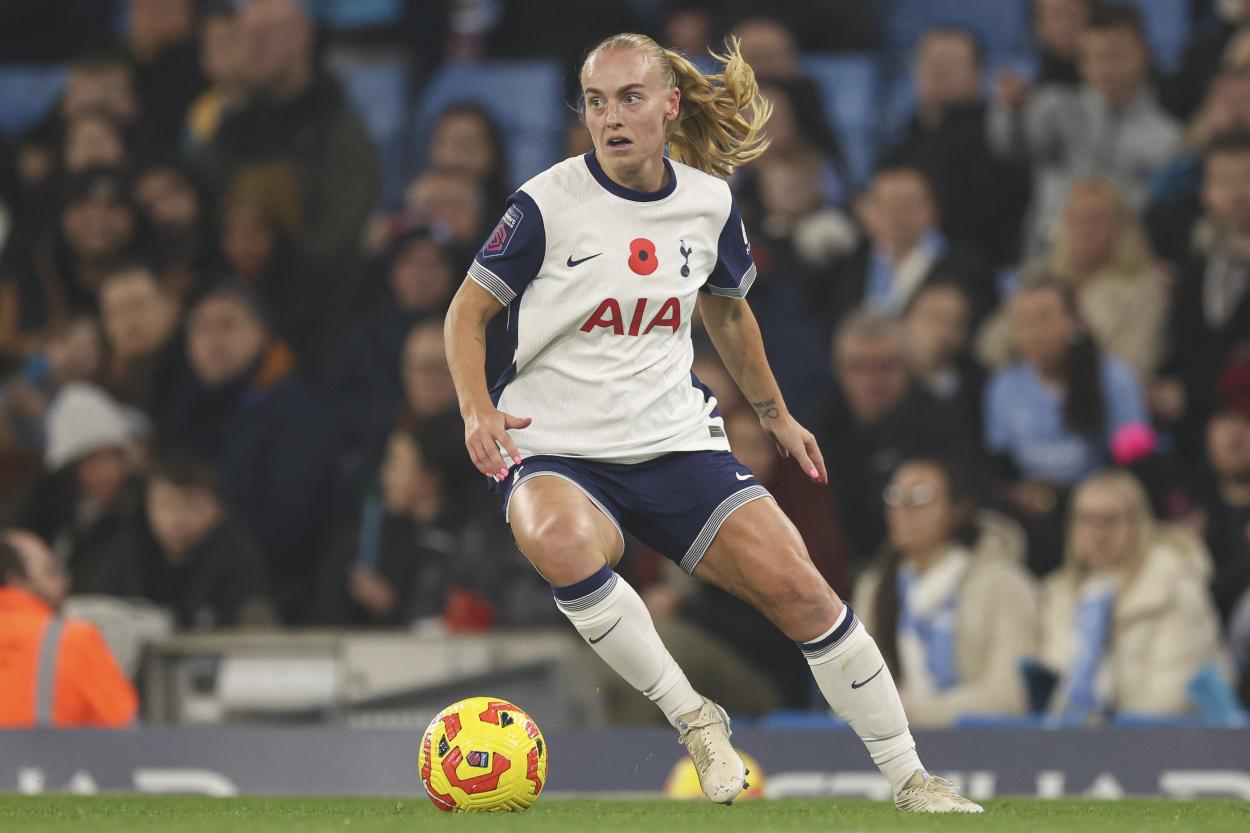
“I found myself going into a vicious cycle of looking and trying to find negativity, and that's not healthy for anybody,” she says. “I’ve stayed away from that completely and I do feel a lot freer from that.”
Spurs’ vice-captain isn’t sure how you fix the problem, with several female footballers — including Bunny Shaw, Sam Kerr and Barbra Banda — all receiving abuse in the past few months.
“Social media is a platform for people to speak; it's to share voices. We use it in positive ways, like my mental health [work] and the success of football. We can push it in that way and [show] the positives, but it's also a platform for people to throw abuse,” she outlines.
“It would be good to understand how we can stop it, because, as you can see, there's way too many players coming out and talking about it now. And that also doesn't shed a good light on the game.”
The abuse of specific WSL stars, including Millie Bright during Chelsea’s match away to Aston Villa, highlighted how – for all the positives – the league has been a ‘victim of its own success’. Abuse, in person or online, is a natural result of increased media coverage and attendances, and Bartrip admits it is unfortunately “a part of football”.
“I think that there's always going to be abuse,” she says, frustratingly. “We stepped into that game and we know that's going to happen; it's going to affect people differently.
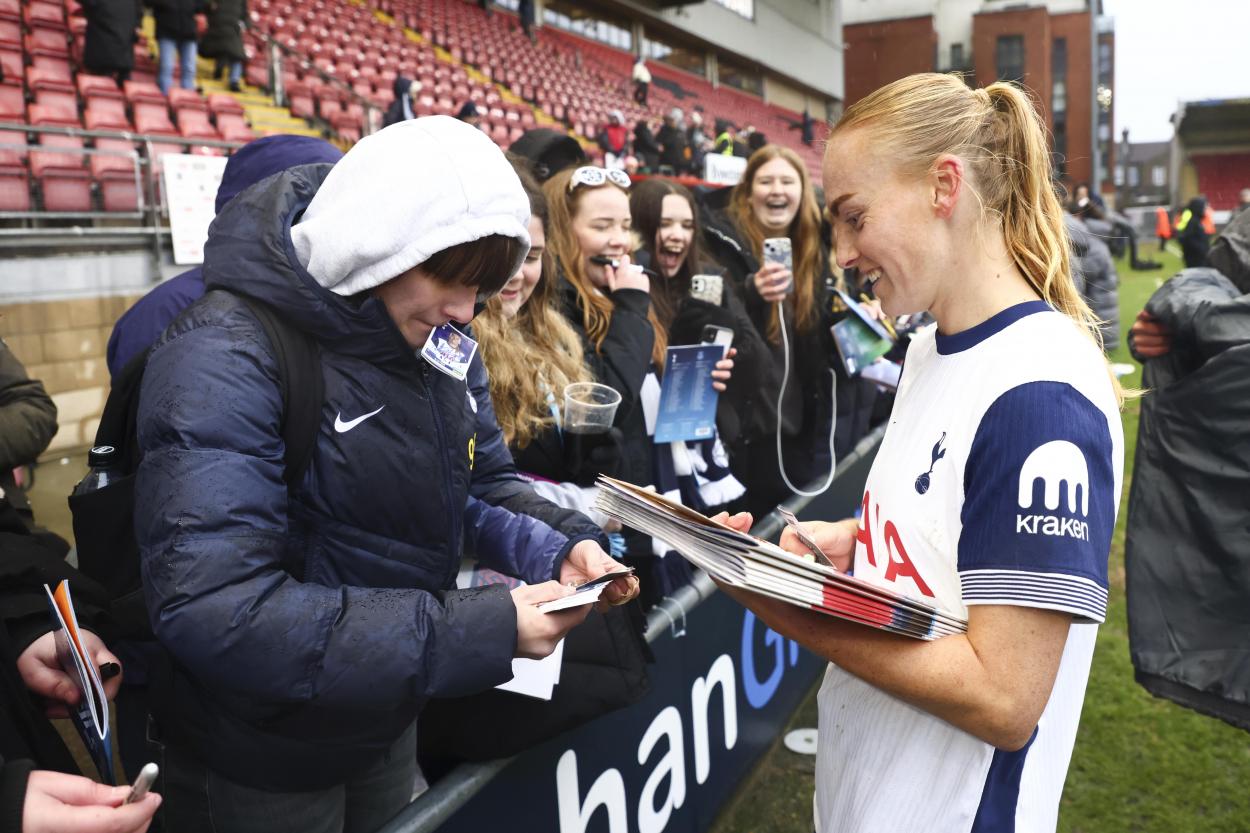
“I've chosen to stay away from those comments, but when you see them, it really knocks you. There is more now because you're getting bigger fanbases and you're feeling pressure. The success of the Lionesses brought a lot more attraction to the league.”
In a world of negativity, messages of advice and hope can be the beacon of light needed. Bartrip calls for any youngsters who think they are struggling to “talk to the people” around them. She “couldn’t have done half the things” completed in her career without her parents and now she is one of the most important players at Spurs.
If you would like to talk to someone, please contact the Samaritans. You can call 116 123 for free from any phone.
