



Tottenham Hotspur’s plans to develop a ‘best in-class’ Women’s Training Centre and Academy on the site of a treasured green space and ‘major contributor to bio-diversity’ has prompted fury in the borough of Enfield, with local pensioner, Sean Wilkinson, taking the council to court over the lease agreement.
Enfield Council have agreed to lease 53 hectares of the park to Spurs for £2 million over 25 years, with the club’s plans including the development of a former public golf course into the Women’s Super League’s first training centre built solely for a women’s first team and girls academy. In addition, Tottenham have proposed the construction of a Sports Turf Academy to provide pathways into the club and education for prospective ground staff.
The 240-acre park is currently home to ancient woodland, and open grassland on the area of the former golf course, which has been allowed to re-wild and, subsequently, has become a habitat for birds, insects, squirrels and bats, with badgers also nesting in the area. The ancient woodland dates back 400 years and includes trees such as hornbeams, hollies and oaks - which can support up to 5000 species alone.
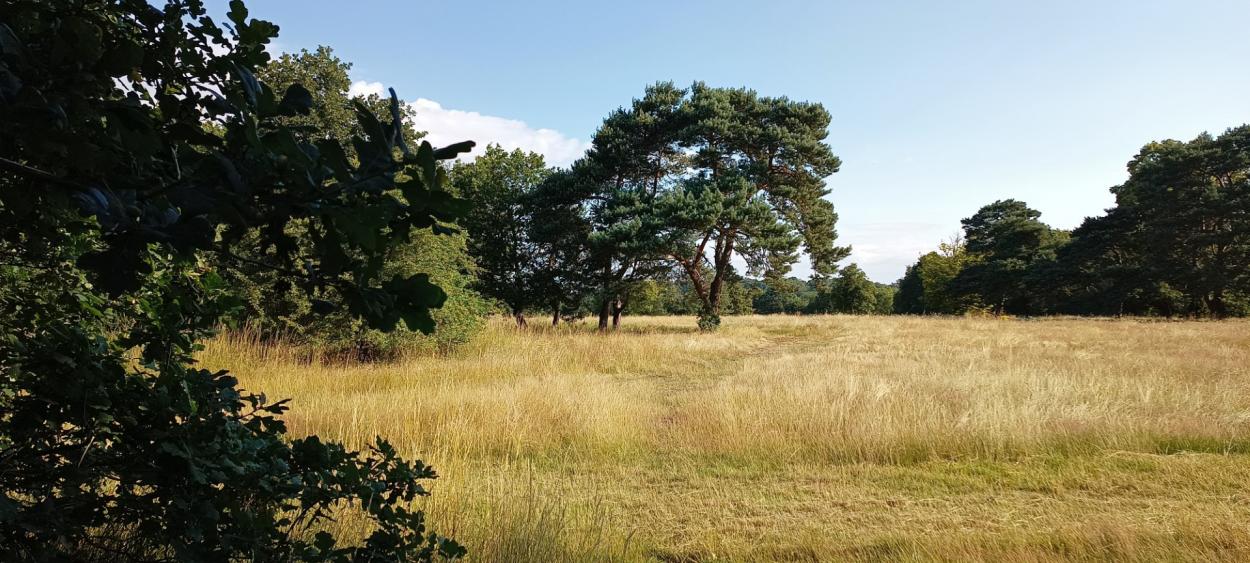
Furthermore, the parkland is a popular location for walking, cycling and running and, according to Wilkinson, has an enormous public health benefit with the area being 'a major resource for both mental and physical health within the borough’.
However, Tottenham’s plans, outlined in their indicative proposals, will see 18 hectares of the park ringed behind a 2m high fence along with large floodlights that Wilkinson worries will disrupt the bats nesting in the area. The club will also take control of all access points to the park and build upon nearly 50% of the open grassland as well as areas of ancient woodland which are treasured spaces for local residents and contribute to the area’s bio-diversity.
As part of the lease agreement, Spurs have promised to construct new public facilities including a cafe, information and meeting area as well as enhancing access to nature through providing funds for repairs, signage and formalised bridleways.
Campaigners, however, have dismissed these promised enhancements, with Sean Wilkinson stating that: “Spurs are only going to maintain the footpaths in their area. They’ve been very careful in delineating their area. And there are very few [within Spurs’ area]. They’re going to control all the entrances and all the car parking. They said they’ll improve the cafeteria but when that’s going to happen no one knows. Spurs do not have a good reputation in terms of fulfilling their commitments”.
Wilkinson’s last comment points to Dickenson’s Meadow, where as part of the proposals for Tottenham’s existing ground, Hotspur Way, which opened in 2012, the club have still not delivered on their proposals to improve the meadow as part of their long-standing agreement with the council. Spurs have blamed the lack of progress on ‘legal delays and the impact of the covid pandemic’.
Tottenham Hotspur Women have been training at Hotspur Way since late 2020, just a year after they entered the WSL - the premier competition for women’s football in England. Hotspur Way boasts among the best facilities for elite football players across Europe, with a total of 15 grass pitches as well as artificial surfaces and indoor training facilities. It is also regularly used by England's mens side for training.
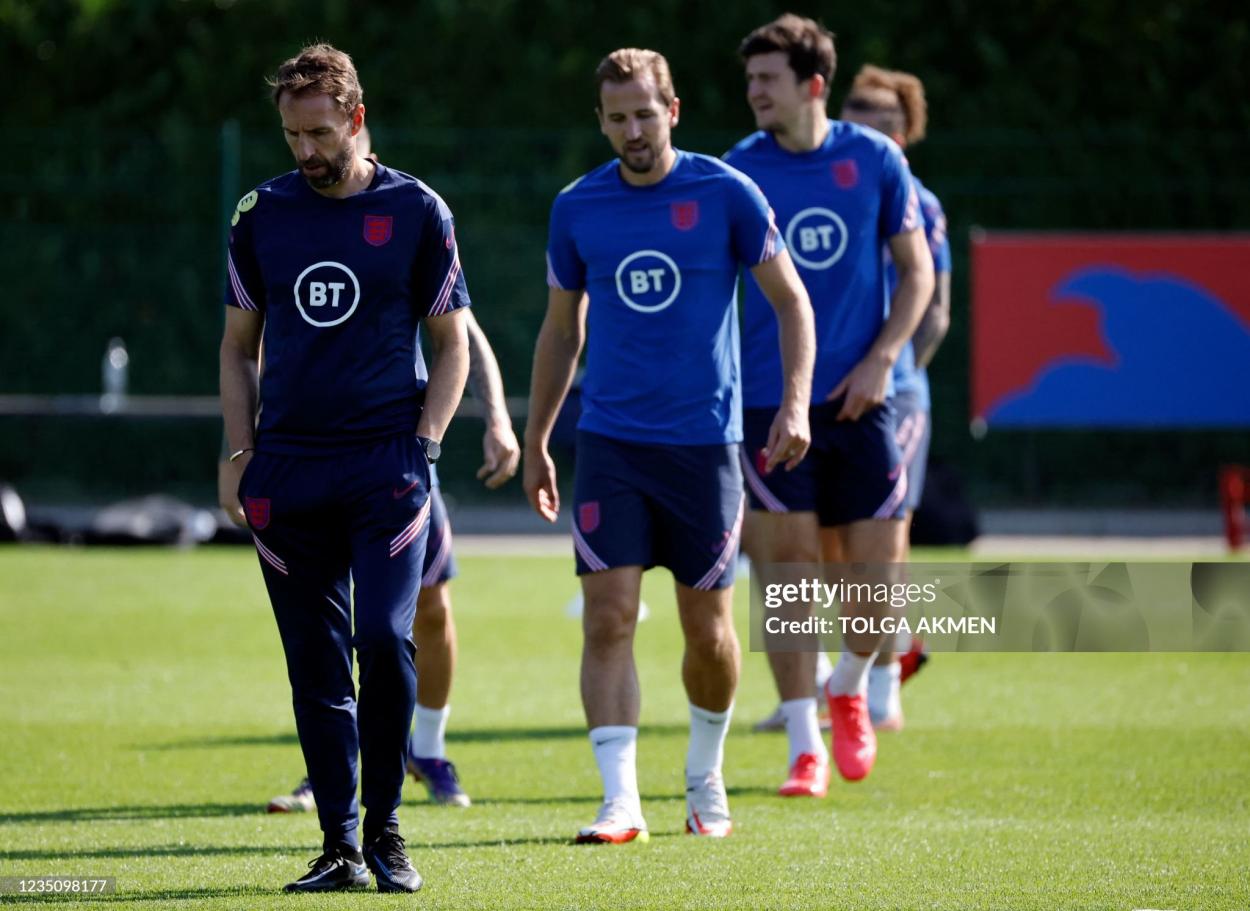
When Spurs women first moved into the training centre, the-then manager Rehanne Skinner described it as a ‘statement of intent’, saying: “It provides us with unbelievable facilities to start raising the standards that we are looking to achieve… We have everything in and around the players that we need to create a high performance environment. It’s now on our doorstep. The stuff we have access to now is unbelievable and obviously the players are ecstatic about being in this environment.”
However, just three years down the line, Tottenham are looking to relocate their women’s side despite the team already having access to the best possible facilities to become one of the WSL’s most competitive clubs.
Across the WSL, most clubs have specific women training bases on their already sizeable facilities. Manchester United, Manchester City, Liverpool, Chelsea and Arsenal women all have bases on their respective training grounds and look set to continue doing so, with Spurs the sole-club that are looking to build an entirely separate facility for their women team.
Campaigners have also rejected the proposed lease due to what they call a ‘ludicrously low’ fee. Under the agreement, Tottenham will pay £2 million to Enfield Council over 25 years - providing £80,000 a year to the council. Wilkinson argues that the figure represents a serious incapacity of the Council to get the best value for money from its public assets and for the people of Enfield.
Wilkinson believes the figure paid for the parkland, if it was to be sold, should be much higher with the fee matching the value of the land to Tottenham Hotspur. Campaigners offers up the example of the All England Lawn Tennis Club who, in 2018, bought up a 30 hectare golf club for £65 million in order to expand the number of courts for Wimbledon.
On the lease fee, Wilkinson said: “It’s only £2 million over 25 years which is absolutely nothing. Why is Enfield Council effectively subsidising a multi-billion pound sports corporation to that extent? It’s not good for the land and people of Enfield”.
The campaign to protect the ‘priceless public asset’ of Whitewebbs Park, which has been aided by the ‘Friends of Whitewebbs, an organisation that exists to promote and protect the park as well as giving park users a voice, has garnered a significant amount of public support.
After park users initially heard about the proposed developments from one A4-sized notice at the end of the car park, Friends of Whitewebbs and Wilkinson have completed significant work to raise awareness of the issue, including raising over £38,000 for the initial and secondary legal proceedings.

Furthermore, a survey conducted by Friends of Whitewebbs on over 750 park users demonstrated a 94% rejection of Spurs as a developer and manager of the park, with over 900 letters being sent to the council to oppose the lease.
Friends of Whitewebbs and Wilkinson argue that Enfield Council’s agreement to lease the land represents the reenactment of the 19th century enclosure movement. Wilkinson said: “This is a renewal of the enclosure movement - where the rich and powerful bought up the common land, chucked people off it and got rid of their rights. People need land and open space for recreation”.
In contrast, Spurs argue that access to the majority of the park will be maintained, with existing areas enhanced.
Wilkinson, who is taking Enfield Council to court on his own behalf, has received support from CPRE, the countryside charity, that aims to protect green spaces for all, Enfield Road Watch and Public Interest Law Centre, a firm that specialises in legal challenges to public bodies.
The High Court hearing is scheduled for three days from February the 6th until the 9th, with Wilkinson arguing that the ruling will have ‘implications for London and the whole country’.
