



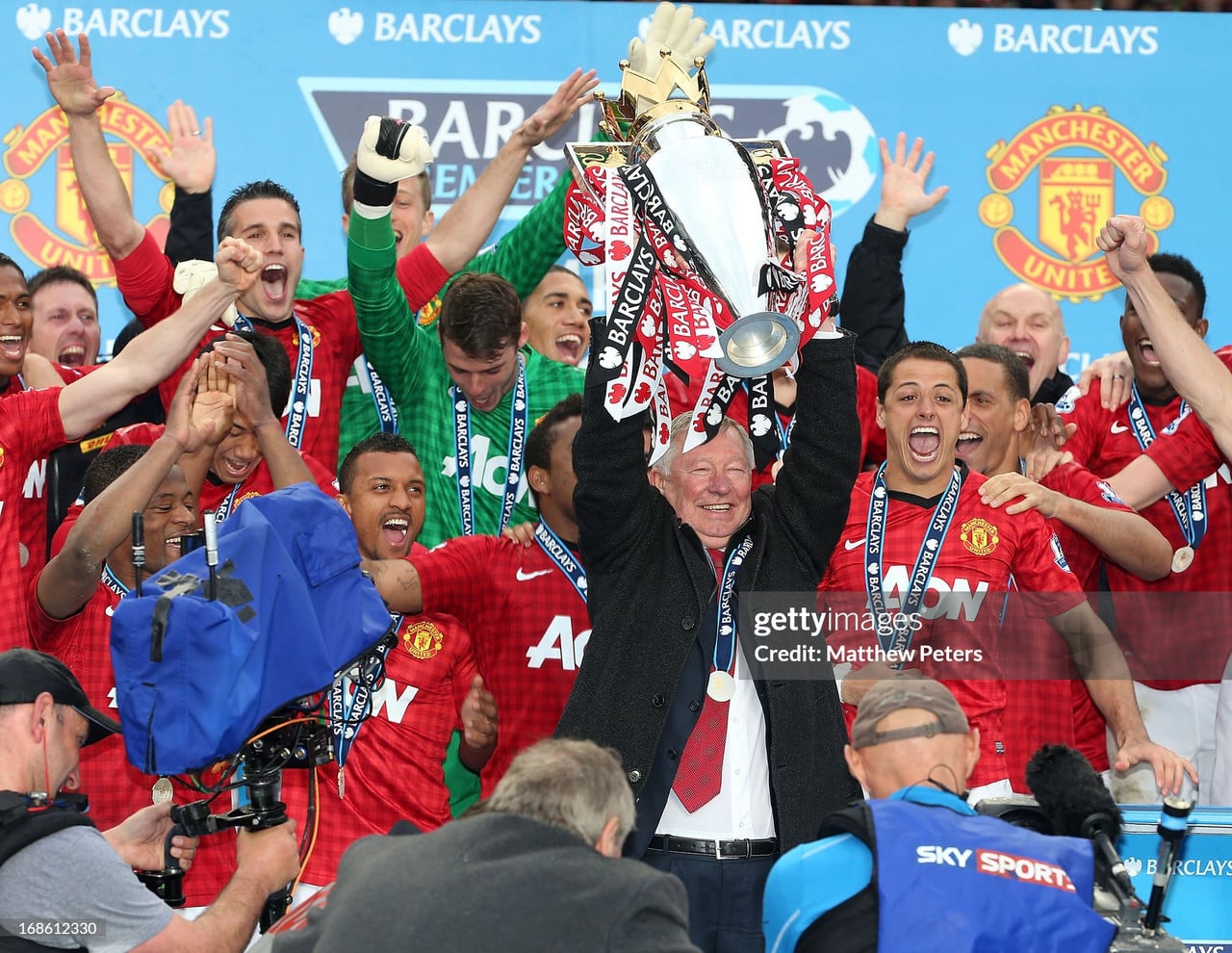

Despite more than a decade of what many have labelled underachievement, Manchester United remain recognised as one of, if not the, biggest clubs in world football.
The Sir Alex Ferguson era now feels worlds apart from the current United side. Despite repeated attempts to revive past glories, every manager since has fallen short of replicating the success of one of the game’s greatest minds.
The Red Devils have not lifted a Premier League title since Ferguson’s final season in 2013 and have only managed occasional flashes of silverware to add to their once-overflowing cabinet.
Last season brought fresh lows: a 16th-place finish in the league and a Europa League final defeat to Tottenham Hotspur, results that left fans wondering if the club will ever return to the lofty heights of Ferguson’s reign.
Even after heavy investment in the summer window, the 2025–26 campaign has begun in disarray.
Rúben Amorim has already faced mounting pressure and speculation over his future, following back-to-back winless league games and a humiliating Carabao Cup exit at the hands of League Two side Grimsby Town.
For many, the question is whether Amorim is the right man to lead United forward. But perhaps the bigger issue is more uncomfortable - can anyone succeed under the crushing weight of expectation at Manchester United?
-
The Mentality Issue of Man United
Over the course of 26 years as United manager, Ferguson built a culture where winning was not a target but an expectation. Success wasn’t optional, it was assumed.
For more than two decades, the footballing world grew accustomed to seeing United lift trophy after trophy. The weight of expectation seemed not to faze the club, and there was a sense that their dominance would never end.
Yet since Ferguson’s retirement, eight different managers have tried and failed to maintain that winning mentality. The problem, however, is not just managerial, it extends to the playing staff.
Over the last decade, too many players have struggled to fulfil their potential under the glare of Old Trafford.
A squad once led by serial winners like Roy Keane, Wayne Rooney and Rio Ferdinand has been replaced by a string of high-profile, big-money signings who, time and again, have buckled under the pressure of expectation.
Paul Pogba, Ángel Di María and Jadon Sancho are just three examples of players who shone brightly enough to earn a move to Manchester, only to falter under the weight of the famous red shirt.
And the pattern shows no signs of changing. £66 million forward Benjamin Šeško found himself under scrutiny after being the last outfield player to step up in the penalty shootout defeat to Grimsby.
Despite being at the very start of his United career, immense expectation has already been placed on Šeško to fire the club back into European football, a burden that will weigh heavily on his young shoulders.
-
What is Needed at Man United
There is a growing sense that Manchester United need a cultural and mental reset, among both staff and supporters, if they are to recapture former glory and once again compete regularly for the game’s top prizes.
A club so long accustomed to winning has now forgotten what it takes to do so, and looking to the experiences of league rivals may offer a blueprint for moving forward.
Liverpool endured decades of watching their greatest rivals dominate English football before Jürgen Klopp was given the time to build his own dynasty and restore the club to the summit of the game.
Similarly, Arsenal’s patience with Mikel Arteta, despite early setbacks and calls for change, now appears to be paying off, with the North London side on the cusp of genuine title contention.
Amorim may not be the right man to lead the club forward, but whatever their next move, the club must ensure they have a long-term plan and the patience to see it through in their bid to return to the top.
Success similar to the era of Ferguson will take time and patience to build and its a situation the board and fans must accept in the hopes of a successful and sustainable future.
