


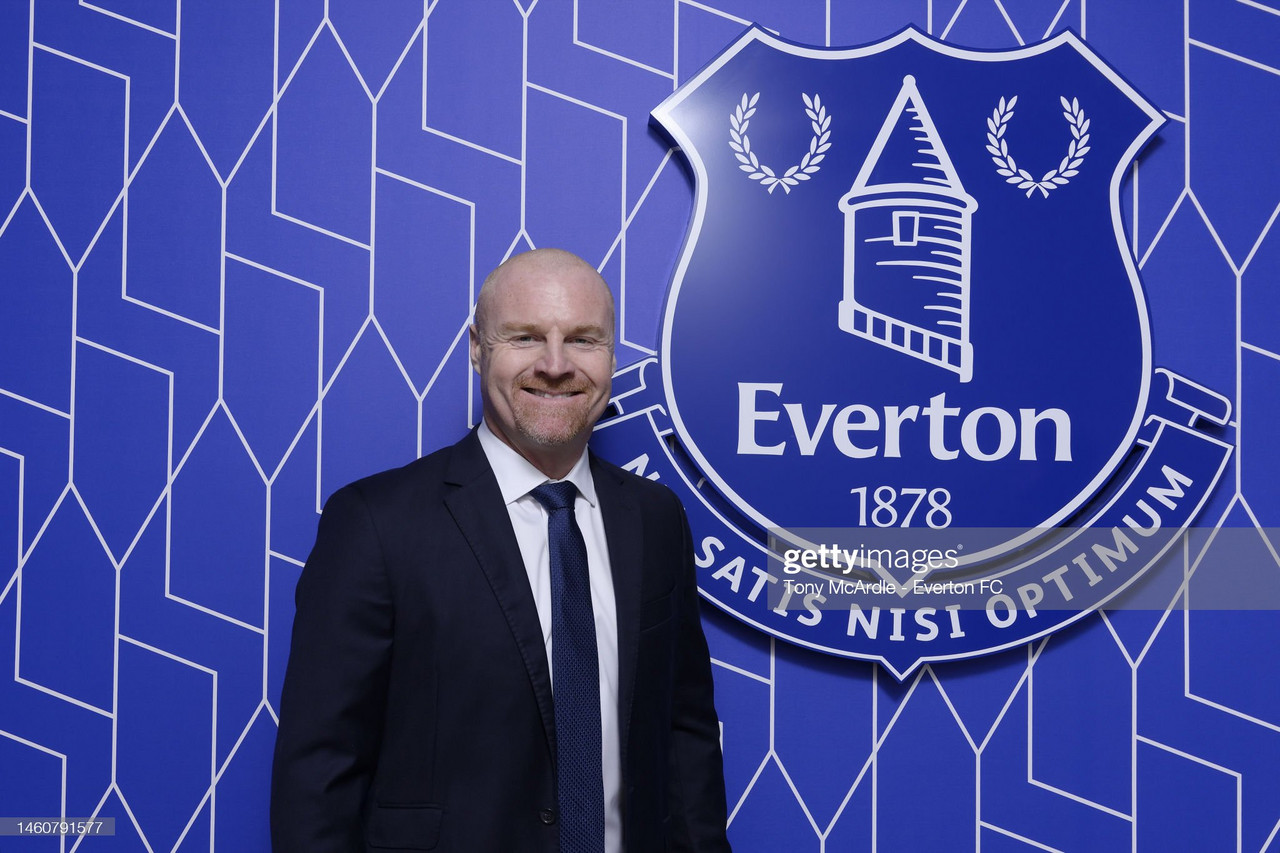

Sean Dyche was officially announced as the new manager of Everton Football Club yesterday, though his imminent arrival was common knowledge to anyone following the subject.
After the board made an approach to former Leeds boss Marcelo Bielsa, who bizarrely offered instead to coach the Under-23’s team until the summer when he would then take over the first team, Dyche was the next preferred candidate.
It has been reported that the former Burnley manager was Director of Football Kevin Thelwell’s favoured choice, as well as current West Brom gaffer Carlos Corberan.
It feels as if Thelwell is finally being allowed to do his job and has been entrusted by those above him in the hierarchy. After all the opposition against the Board recently it was best they took a step back and let someone who knows what they’re doing get to work.
Meet The Gaffer
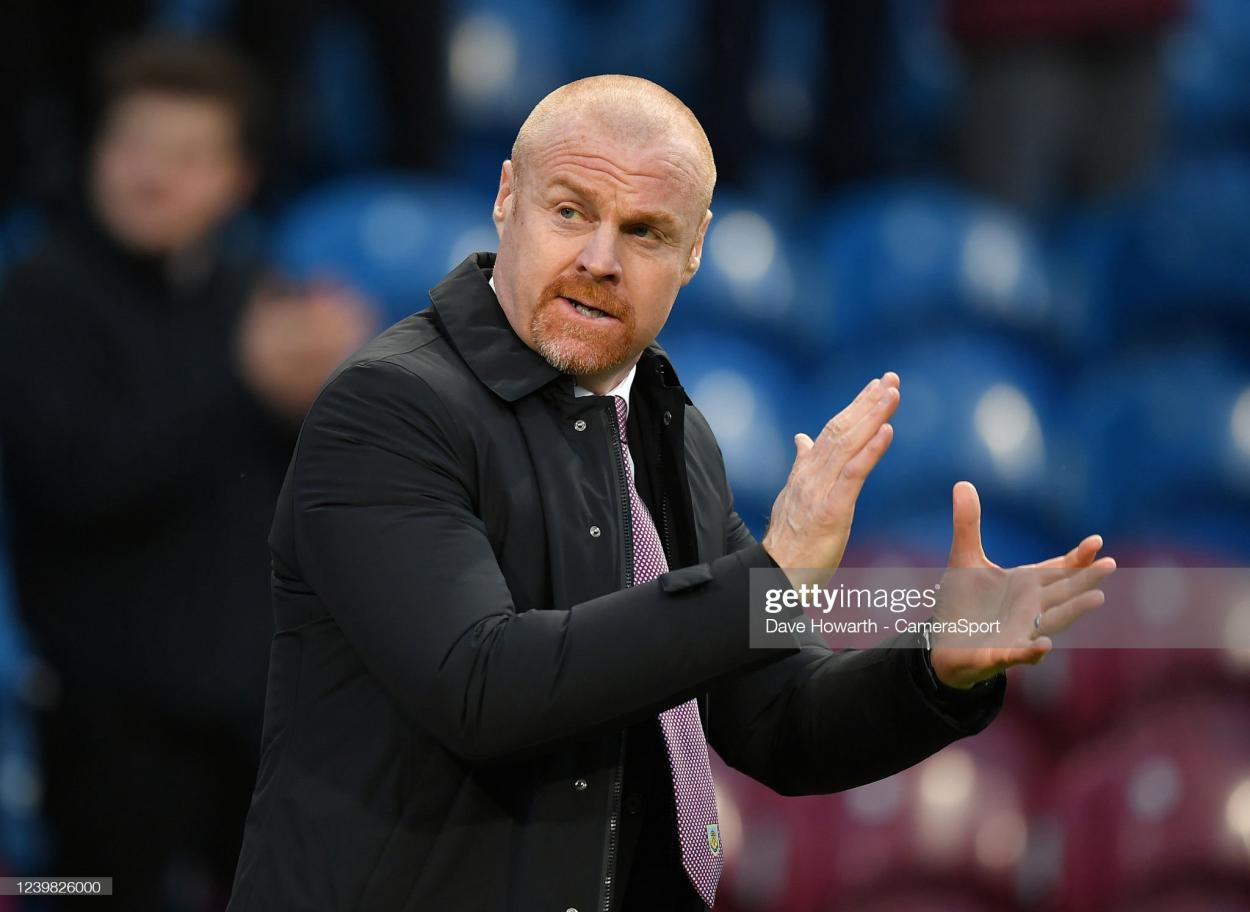
On the pitch, who better to get the team working than Sean Dyche? The former Clarets boss comes with a certain reputation in English football, bearing both positive and negative aspects of his game and his philosophy.
Dyche took over at Burnley in 2012 following a short spell as the manager of Watford. He would be at the helm for a decade before leaving the club late last term, in a season where they were eventually relegated after years of over-achieving.
The first three seasons of his reign were spent in the Championship. In the third, he helped them gain promotion to the Premier League and did so with flying colours. They lost just five games all season and equated to 2.02 PPG (points per game).
In their first season in the top-flight they went straight back down to the second-tier. He received little financial support – which became a theme during his time there, and his team couldn’t compete with the rest.
Still a relatively new coach, Dyche was trusted to take the club back up and he worked on perfecting his craft, shaping his philosophy and putting his marker down on the team. Identity is very important to him.
The very next season, the board saw their faith repaid. In 2015/16, Burnley bounced straight back into the top-flight – this time losing just four games and garnering a 2.05 PPG.
The Lancashire club would enjoy six successive seasons at the pinnacle of English football, as well as a venture into Europe, unfortunately losing out in the play-off round of the Europa League to Olympiakos.
He left towards the end of last season after a reported falling out with the Board, and hasn’t been in management since, despite having a few offers on the table from top-flight clubs as well as Rangers in the SPL.
During his time at Burnley, Dyche found his identity as a coach and quickly implemented it onto his team. He worked for years on a remarkably slim budget. In nine years, he spent just £135m – which is just one window for many PL clubs.
Tactics and Philosophy
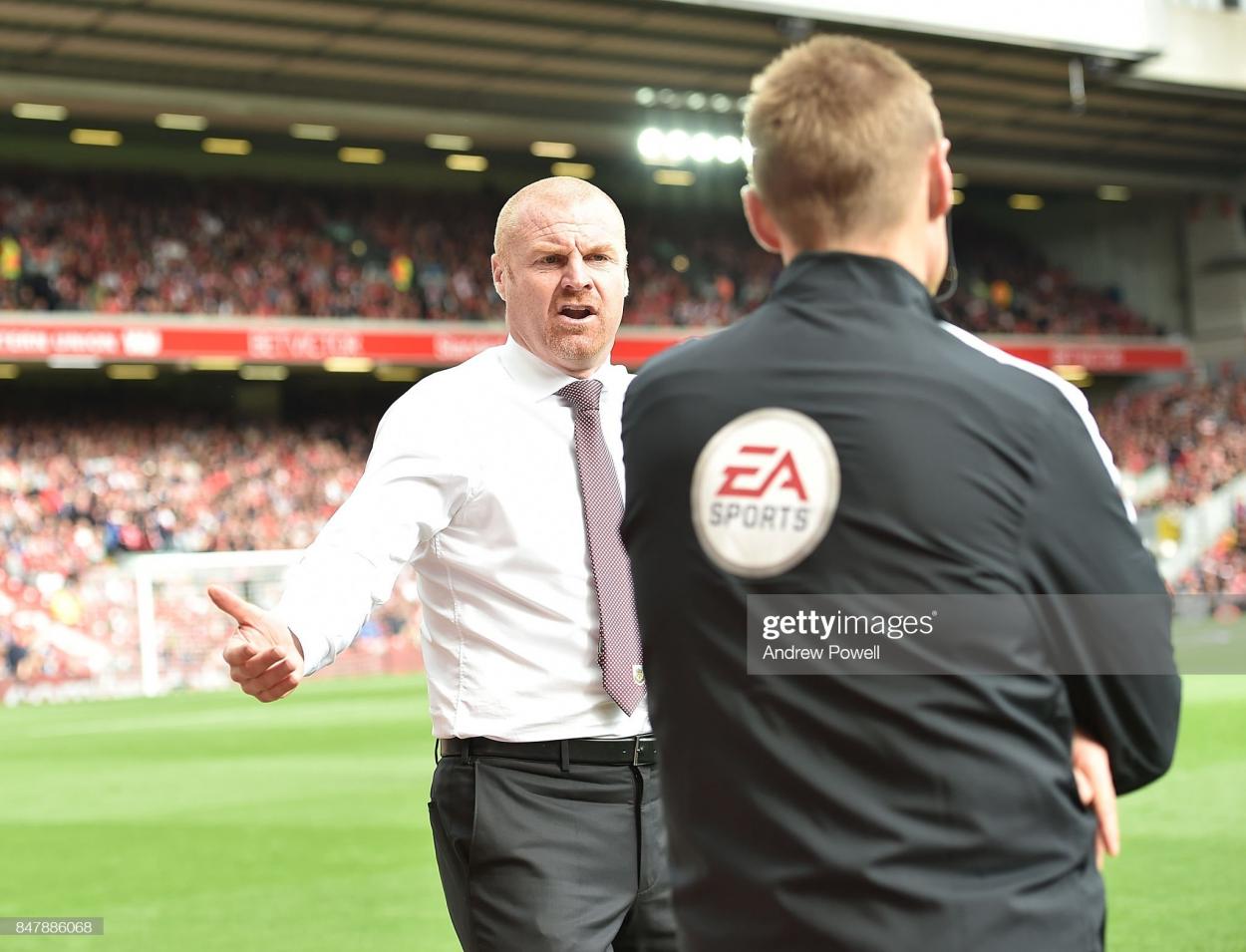
He carries a reputation as a defensive coach, which he appreciates as it means people acknowledge how tough his teams are to beat – though much of it comes from stereotyping of his tough appearance and husky voice.
The 51-year-old does tend to set up in a 4-4-2 and while appearing rigid and lacking flexibility, he uses it to minimise goal scoring opportunities for opponents and maximise chances for his team to score.
In the formation, he wants his two centre backs to defend for their lives and utilise physicality to keep opposing forward players from scoring. James Tarkowski was a big part of his defence while they were at Burnley together.
He wants to crunch the pitch and force the opposition out wide to minimise their chances of scoring – forcing low-value shots outside of the box or crosses, where his two aerially dominant defenders are waiting.
The wingers in his set-up are more wide midfielders when out-of-possession but get high and wide after turnovers. When defending, the wingers tuck in with the midfielders and force the attacker wide to the touchline.
He particularly loved Dwight McNeil, enjoying his defensive efforts and his selflessness in helping his full back out, doubling up on dangerous wingers.
The two forwards drop in and help the midfield when out of possession. He prefers to field at least one physical forward to battle both aerially and on the ground for loose balls and to help push the team forward.
His Burnley side set up predominantly with Chris Wood to play this role, and Ashley Barnes next to him who was a tricky customer for defenders – a good presser and was positioned aptly to pick up on flick ons’ and knock downs from his strike partner.
His team’s play a variant of percentage football, aiming to progress the ball up the pitch via throw-ins and set pieces. Dead ball situations were great for Dyche’s teams as a chance to best bigger clubs who play conventionally ‘better football’.
He wants his team to win the physical battle and cause the opposition trouble in ways they won’t often face and won’t be as prepared for. He wants his team to press high and stop possession-based outfits at source.
This was best seen in his side’s victory at Anfield against Liverpool, who were on a 68-game unbeaten home run before Ashley Barnes netted a famous winner. They had just 28% possession.
Burnley forced Liverpool out wide – the Reds attempted 30 crosses. Ben Mee made 14 clearances and made two tackles while Everton’s own Tarkowski contributed with five interceptions and won the ball back four times. He received the man of the match and was rated 8.59 by the BBC.
What He Expects
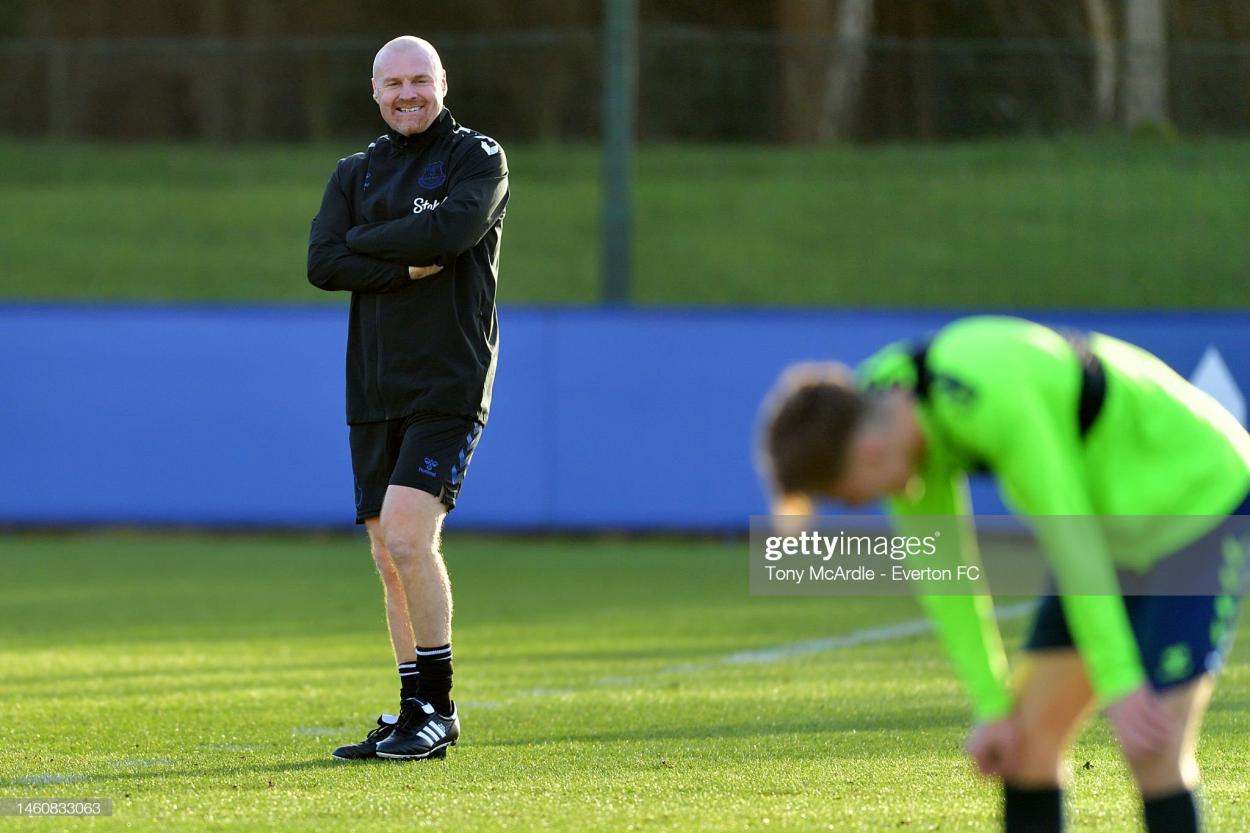
Sean Dyche instils a clear identity to his team and that was one of many games he has achieved a result which on paper looked near impossible. He is an expert on limiting teams and forcing them to play to his side’s strengths.
He accepts that technically his players aren’t as good as the oppositions, so tries to make the game play into his players’ hands. He keeps his team in the match for as long as possible and relies on making a ‘golden chance’ on the counter.
He has already started drilling in his ideas to the players and he will attempt to make them aware of what is expected of them. In his first training session, he made the players wear match socks and shin pads so that he can keep game standards up in training.
He focusses on hard work as a fundamental, and believes games are won and lost on this– who wants it more. He wants his team to go to war with him, expecting it as a minimum. There is no room for egos in his dressing room.
He is the perfect fit for the Blues in their current situation. He will take them back-to-basics and get them working for him and the fans. The standards will be kept high, and he is brilliant at keeping struggling teams up, that lack quality and budget.
