



It’s May 26, 1999 and a sold-out Camp Nou is witnessing the dying moments of a historic Champions League final. Manchester United trail Bayern Munich 1-0 and the Bundesliga club are just two minutes away from winning the trophy.
There are 90,245 fans in attendance – half are in disbelief, the other half are celebrating, that won’t last long though.
The 850-mile trip to Spain will be more than worth it for the visiting Germans and, with Bayern’s name presumably etched onto the silverware already, the final roar is just moments away. Seconds away.
But then – silence.
At least in the Bayern end, anyway. They displayed waves of red and white scarves, flailed with happiness and anticipation just moments earlier, waiting to hear the referee’s final whistle… but no. They’re still. Stunned. Shocked.
Teddy Sheringham had diverted Ryan Giggs’ seemingly off-target shot into the bottom corner to level the game up with moments to go.
David Beckham sent that corner in and, to Bayern’s disbelief, a sense of deja vu came trickling down like rain. He stood over a second corner just moments later. There was an aura about this that made it hard to believe.
Beckham crosses. Sheringham flicks on. Ole Gunnar Solskjaer stabs it in. United have won. Not just the game, but the treble.
“Football, bloody hell.” said Sir Alex Ferguson.
The Scotsman is still the greatest manager to ever grace football and, when he announced his retirement to fans after a 5-5 draw with West Bromwich Albion at Old Trafford in 2013, it wasn’t just Ferguson’s success that was over, but United’s, too.

Fast-forward 12 years and the club are currently 15th in the Premier League table, having earned 29 points from 25 games and look to be getting worse and worse by the week.
David Moyes was the successor of Ferguson but, 10 months into his six-year contract, was sacked due to the team performing below their usual standards which, in this age, have proved impossible as no one can match what Ferguson had done with his group of players in that era.
United’s board saw seventh as a significant decline – which is where Moyes finished with the club – and the cause of that was the club falling to heavy defeats from rivals Manchester City and Liverpool, paired with multiple home losses from smaller clubs.
Moyes was also criticised for his style that didn’t resonate with United’s long history of attacking and fast-paced football and it wasn’t long until he was shown the exit in what would soon become a vicious cycle of the recycling of managers.
There hasn’t been a time where, since Ferguson’s 26-year reign ended, a United manager has stayed for longer than three seasons. In fact, the only manager to complete that feat is Solskjaer.
The former striker of the club was initially appointed as interim manager but was later given the permanent role. Like the rest, a string of poor results saw him dismissed.
-
Can Moyes’ experience outclass Amorim’s tactical stubbornness?
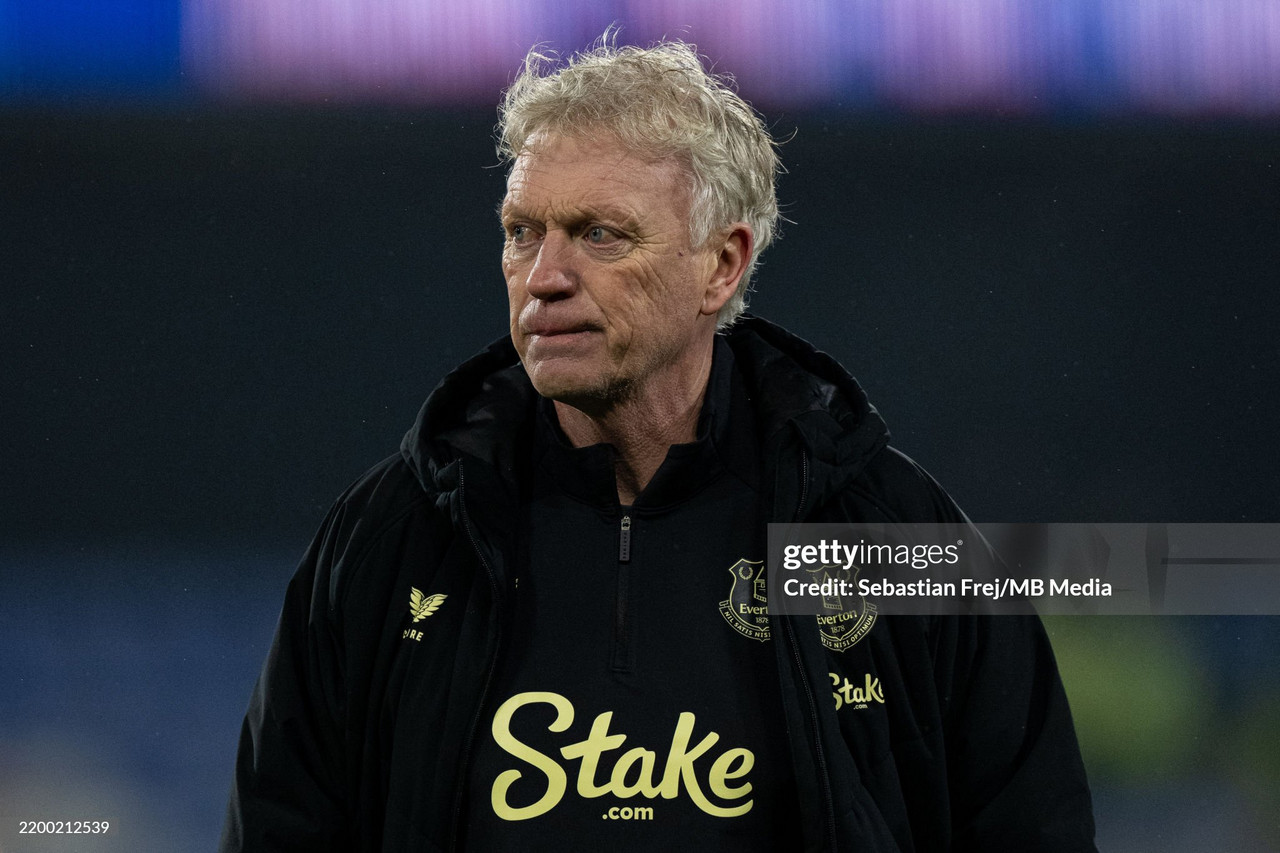
Since rejoining Everton after 11-and-a-half years away from the club, Moyes has made their relegation worries look laughable.
The Scotsman was in a similar situation during his first spell with the club but had led them to a resurgence identical to the one he is currently undergoing.
And, with one loss from six Premier League games so far since his return, the Toffees look like one of the best teams in the top-flight at the moment.
His four wins, and one draw apart – which came against Liverpool in the final Merseyside derby at Goodison Park before the club move to Bramley-Moore Docks at the start of next season – haven’t just changed the shape of their overall targets for the campaign, but have overseen a huge shift in mentality from supporters too.
"I enjoyed 11 wonderful and successful years at Everton and didn't hesitate when I was offered the opportunity to rejoin this great club.” said Moyes.
He added: "Now we need Goodison and all Evertonians to play their part in getting behind the players in this important season so we can move into our fabulous new stadium as a Premier League team."
When Moyes took over from Sean Dyche, Everton were 16th and only one point above the relegation zone but now look motivated to climb even higher than their current position of 14th – 13 points from the drop.
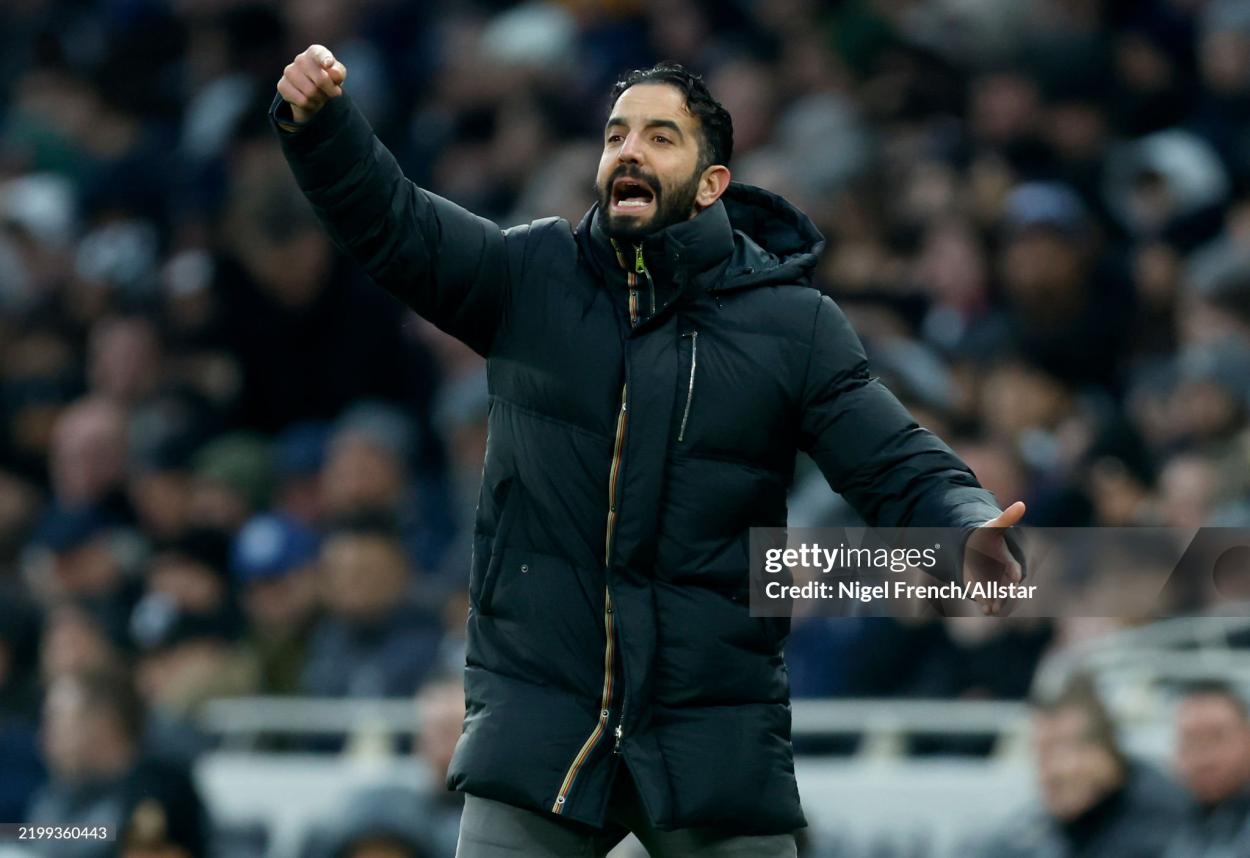
As for United, however, Ruben Amorim’s job looks to be progressively harder due to constant injury problems and a general stubbornness towards his tactical structure.
Last week, Amad Diallo was ruled out for the rest of the season which forced Joshua Zirkzee into the No. 10 role. Similarly, Manuel Ugarte and Kobbie Mainoo – two of United’s strongest midfield options – were sidelined for the visit to Tottenham, granting Casemiro his first start of the calendar year.
But this is a weak excuse if Amorim decides to use one. Everton have also been struck with injuries to their best players.
Although Beto has become Moyes’ starting forward, Dominic Calvert-Lewin has been out, alongside the club’s best player in Iliman Ndiaye whose absence has been more subdued than painful for supporters due to the instant impact that Carlos Alcaraz has made.
Amorim certainly has an uphill task at Goodison Park on Saturday despite the fact his side thrashed Everton at the start of his tenure.
And this time, he is up against a different manager, with different players in a different environment. It’s a must-win for United, but as this season has proved far too often, high stakes don’t exactly equal high-graded performances for Amorim’s side.
