




Tottenham Hotspur were frustrated in the second leg of their UEFA Champions League Round of 16 tie against AC Milan, failing to create any significant chances until the 65th minute, when Pierre-Emile Højbjerg's shot forced a save from the Milan goalkeeper.
Antonio Conte’s return to the touchline after his health problems failed to inspire Spurs, as they lacked composure and struggled to break down a disciplined Milan side.
The gulf in quality between the two teams was apparent throughout the game, with Milan controlling the contest and Spurs struggling to find any rhythm or momentum. The game ended a dull 0-0.
Here are some of the main takeaways from this fairly dull affair:
Milan's flexibility caused Spurs problems
Stefano Pioli's tactical flexibility was on full display as Milan outclassed Tottenham Hotspur in the Europa League knockout round.
The Italian side lined up with a back three and showed great adaptability, with Brahim Diaz shifting from the right flank to the No. 10 position. Meanwhile, full-backs Theo Hernandez and Junior Messias pushed high up the pitch, creating overloads on the flanks and causing problems for Spurs' defence. This fluidity and unpredictability in Milan's attacking play was a major factor in their success against Tottenham.
Milan's ability to move the ball around with ease was also notable. Spurs failed to put any significant pressure on the Milan players, which allowed the Italian side to grow in comfort on the ball, especially in the first half.
The visitors' short free-kick routine, after a yellow card to Spurs' Cristian Romero, resulted in a killer pass from Sandro Tonali to Junior Messias, who should have opened the scoring.
The movement and tactical acumen of Milan's players was in stark contrast to the rigidity and edginess of Tottenham's play.
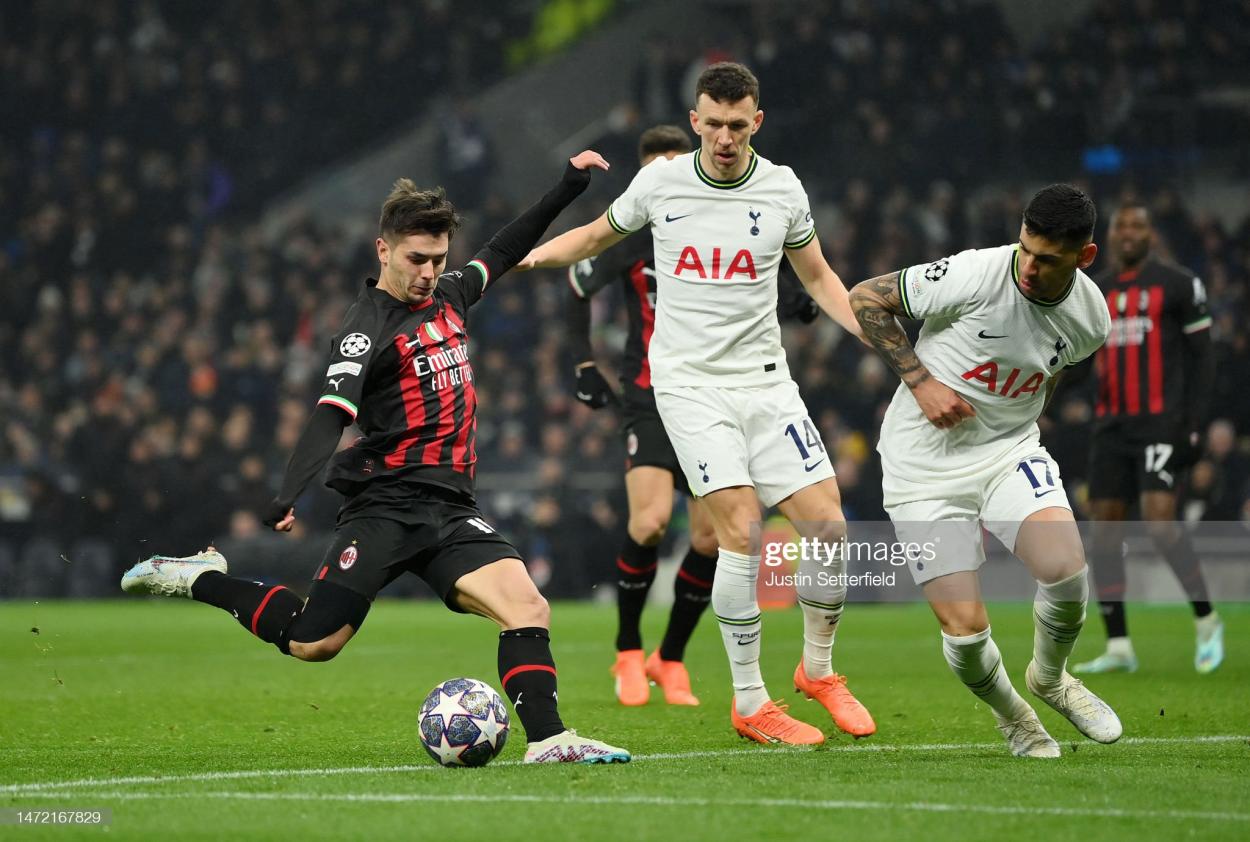
Theo Hernandez is the real deal
Théo Hernandez continues to impress in the UEFA Champions League. Playing as a wing-back in a flexible Milan system, Hernandez pushed high and provided a constant attacking threat. He should have opened the scoring early in the match, but his teammate Junior Messias failed to convert his clever pass.
Nevertheless, Hernandez remained a dominant presence on the pitch, providing key interceptions and showcasing his defensive skills throughout the match.
Hernandez's performance was crucial to Milan's success, helping his team maintain control and composure against a frustrated Spurs side.
As the Milan captain, Hernandez has proven himself to be a talented and versatile player, capable of making a significant impact on both ends of the pitch.
With Hernandez leading the charge, Milan will be a force to be reckoned with as they advance to the quarter-finals of the Champions League.
Without Bentancur, Tottenham struggle
Tottenham's defeat has highlighted the significant problems facing their midfield. The absence of Rodrigo Bentancur was keenly felt, as Spurs lacked the creativity and control in the centre of the park which the Uruguayan typically provides.
Without Bentancur, Tottenham struggled to impose themselves on the game. Milan were able to control the pace and dictate the play, leaving Spurs to chase shadows and defend deep.
The midfield were simply not able to match the quality and intensity of their Milan counterparts. They were unable to create chances for the forwards, and often resorted to playing long balls in the hope of bypassing the Milan midfield.
Bentancur's absence was felt defensively. With his energy, work rate, and tactical awareness, he is a crucial part of Tottenham's defensive setup. Without him, Milan were able to exploit the spaces in the backline, causing havoc and creating chances.
Spurs' midfield lacked the discipline and organisation that Bentancur provides, and this was evident in the number of fouls and yellow cards they picked up over the course of the game.
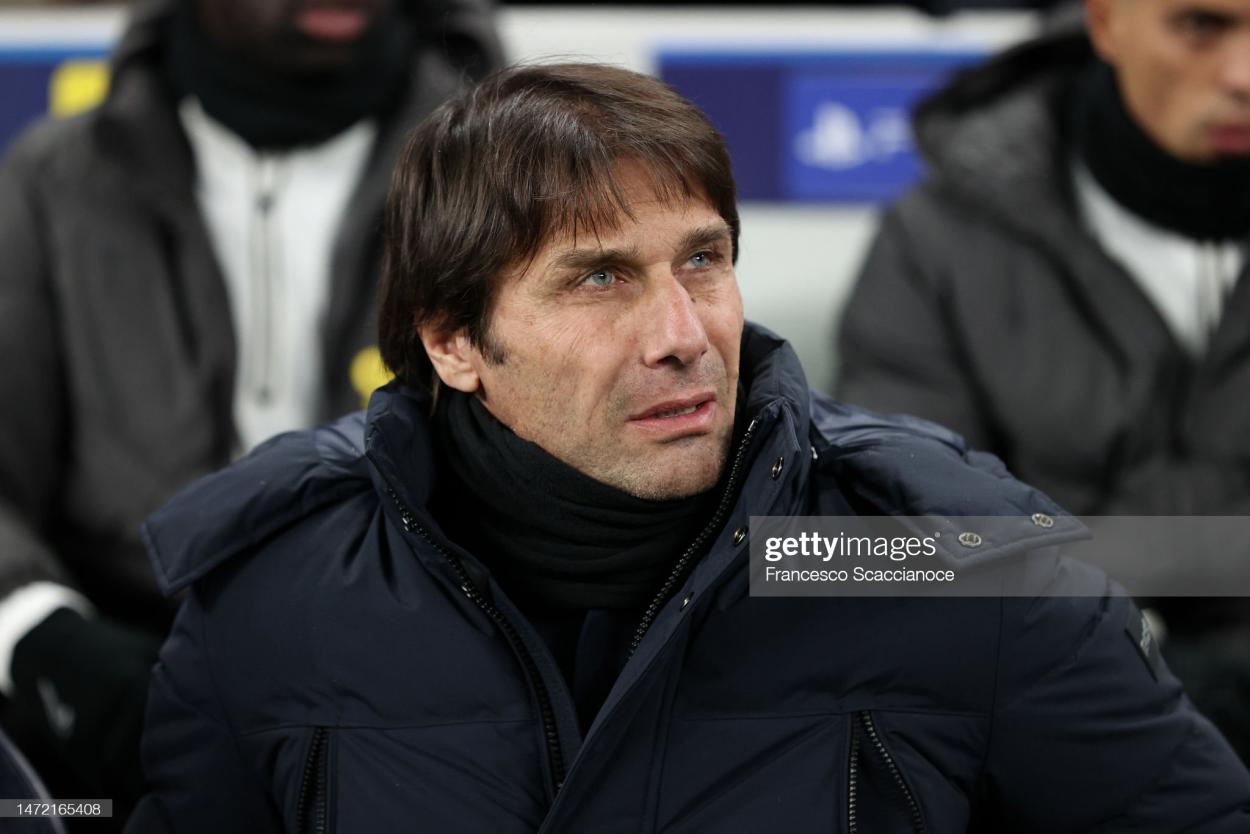
Spurs' lack of creativity and predictability
The hosts lacked creativity and struggled to create any clear-cut chances. They appeared rigid and predictable in their patterns of play, with Milan's defenders having little trouble dealing with their attacks.
Spurs' best chance came in the second half, when Højbjerg's shot forced Milan goalkeeper Mike Maignan to tip the ball over the bar. But overall, they failed to pose a serious threat to the Milan defence.
The introduction of Pedro Porro injected some energy into the Spurs side, but it was too little too late.
Harry Kane almost salvaged a draw for Spurs with a stoppage-time header, but it was not to be. Milan's superior tactical flexibility and composure on the ball were too much for Tottenham to handle, and the Italian side deservedly progressed to the next round of the Champions League.
Milan's tactical flexibility and fluidity of play caused problems for Tottenham throughout the match. They were able to move the ball around with ease and create overloads on the flanks, while Spurs appeared rigid and predictable in their patterns of play.
