



Early this week, Fair Game published it’s much anticipated ‘Fair Game Index’. The in-depth analysis has offered the first ‘state of play’ review of English football, surveying all Premier League and EFL clubs on over 80 touchpoints, in order to rank them based off of their financial sustainability, levels of good governance, fan engagement and equality standards.
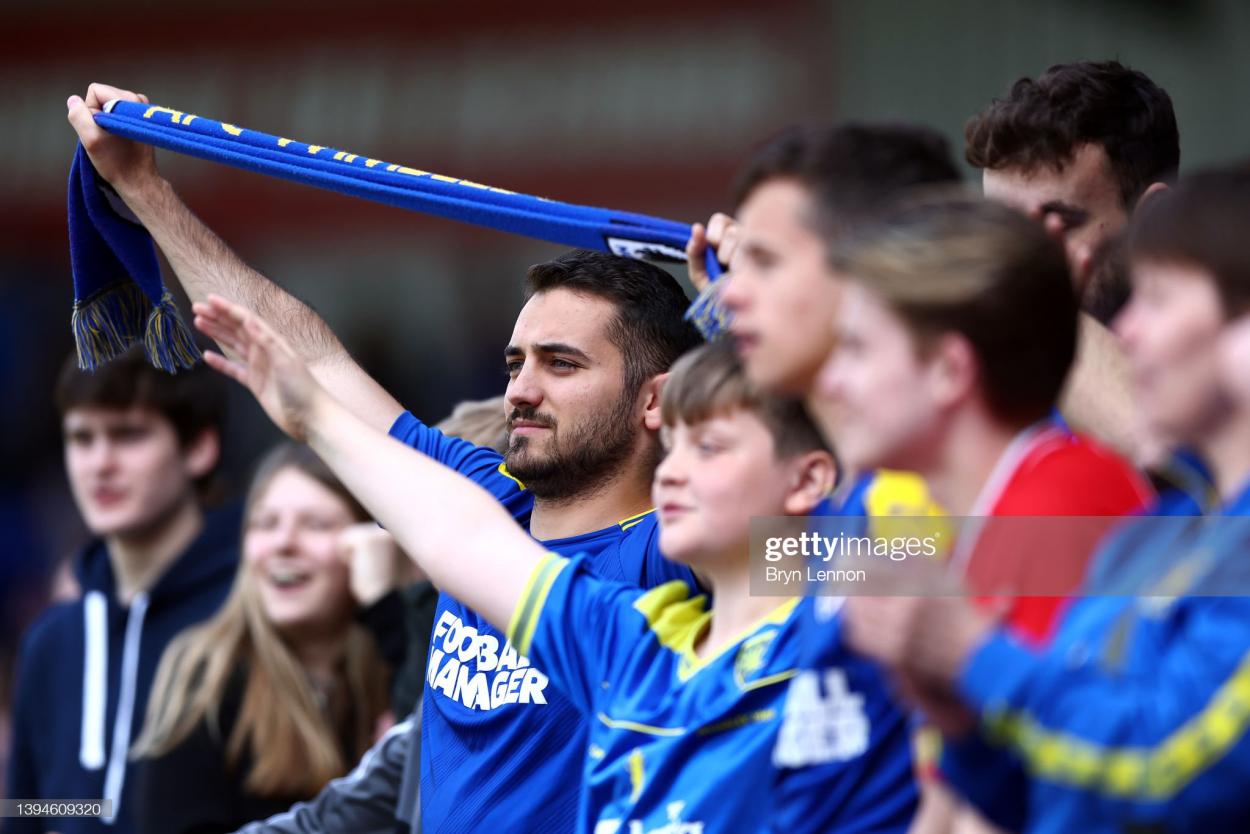
The Index declared that the most well run clubs in English football are Cambridge United, Carlisle United and AFC Wimbledon, who topped the pile. AFC Wimbledon, who are majority supporter owned, received particularly good scores on fan engagement and financial sustainability.
Meanwhile, the highest ranked Premier League team in the index was West London club Brentford. The Bees have climbed up the divisions to secure 13th and 9th placed finishes respectively, with the club being ranked the best Premier League club for fan engagement as well.
Overall, Premier League clubs secured the highest average financial sustainability rating, however, in terms of fan engagement the league suffered the lowest average out of all four top divisions in the country, with Tottenham Hotspur the lowest ranked club in the Premier League for fan engagement.
Among the rankings given to all Premier League and EFL clubs, Fair Game also released figures to highlight the startling financial disparities across the English game. The organisation took a particular focus on the debt issues surrounding clubs in the English game, with 44 of the 92 teams in the top four divisions being unable to pay the debts that they owe. Meanwhile, in the 2021/22 season, Championship clubs spent an average of 121% of their revenue on player wages.
Speaking to Sky News following the release of the index, Fair Game CEO Niall Couper described how the wage to revenue ratio is currently unsustainable. Couper used Nottingham Forest as an example describing how for every pound the clubs earns, almost two pounds are spent on player wages. For Couper, this represents the ‘huge disconnect between sensible financial control and what the reality is’.
Fair Game are keen to see an end to the ‘boom or bust’ culture of the English football pyramid, in which clubs often over invest in order to allow themselves to have a shot at Premier League promotion before finding themselves in dangerous waters when the dream does not come to realisation.
Earlier this year, speaking after Wigan Athletic received a winding-up petition, Fair Game CEO Niall Cooper reiterated the need for change within football. He said, “The current system cannot be allowed to continue. We need an independent regulator and crucially financial flow that rewards well-run clubs. Football needs a culture change. Without it, our national game is doomed to repeat the mistakes of the past”.
The Aims of Fair Game
As described, Fair Game is a non-profit organisation and a fast-growing band of clubs that is campaigning to improve football governance across the country. With the backing of world-renowned academics and politicians across the nation, Fair Game is aiming to provide realistic solutions to the challenges football faces.
The organisation aims to build upon Tracey Crouch's Independent fan-led review and help to provide the building blocks for the eventual football bill, which is currently being drawn up by the government.
In light of the European Super League scandal and collapse of long standing English football league clubs, the government launched an independent review into football, which has led the way to the white paper currently being written up to provide an independent regulator in English football.
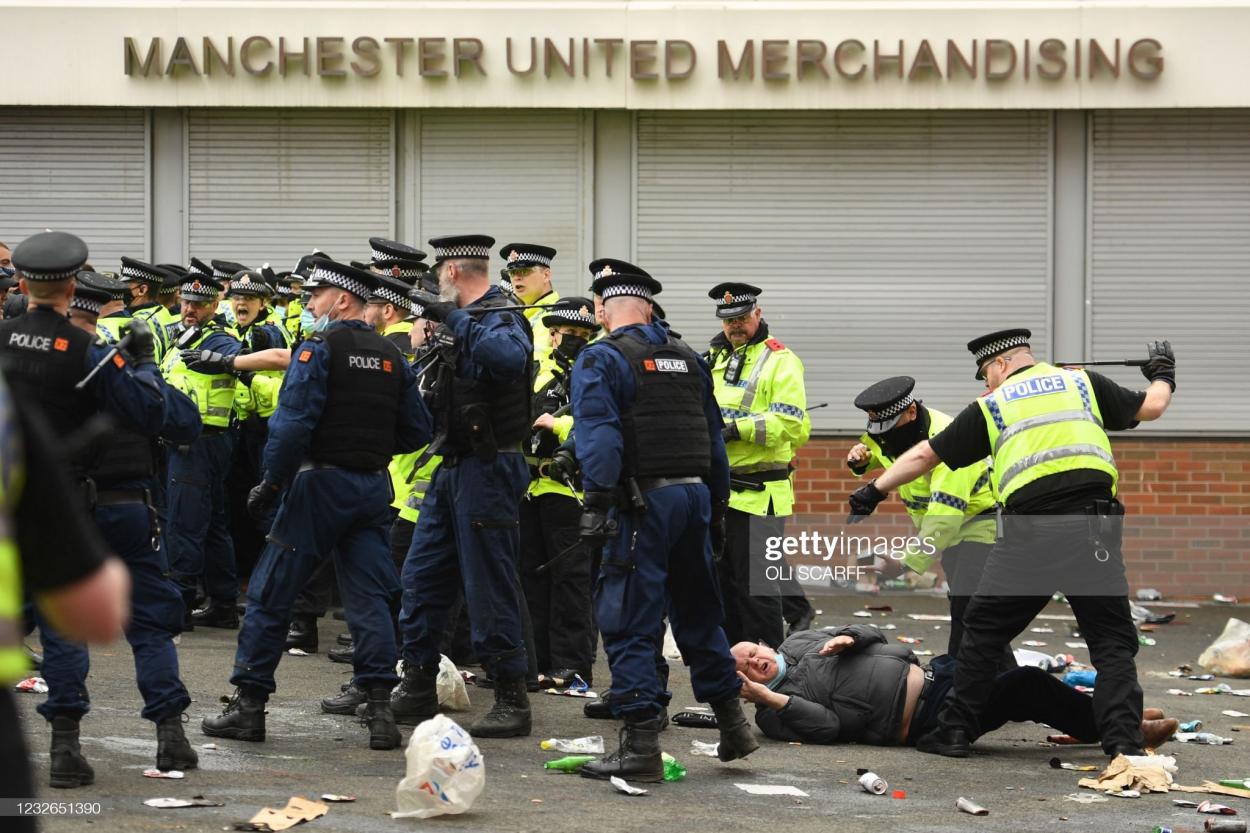
Fair Game are keen to see that regulator be gifted with wide ranging powers to ensure that the English game is ran fairly and sustainably, with well-ran clubs financially rewarded, therefore crucially providing an incentive to other clubs to follow suit.
Fair Game believes the Premier League should give 25% of it’s TV revenue to the rest of the football pyramid, an increase of 13% compared to the current 12%. This supports the view of the EFL, who argue for the same increase. Furthermore, Fair Game believe that there should be a 10% levy applied to all Premier League transfers, in order to raise funds to reward well-run clubs.
So far, Fair Game has brought 34 clubs on board, with the member clubs being spread through all levels of English football, from Luton Town in the Premier League to Salisbury FC, who play in the Southern Premier League.
For Fair Game, all football clubs, whether big or small, should be governed through the principles of fairness, openness and transparency.
Throughout the last few years, the EFL and National League have been plagued by a variety of ‘crisis clubs’. In 2019, Bury FC, who had 125 years in the Football League, were expelled and dissolved due to bankruptcy. Meanwhile in 2020, Macclesfield Town received a winding-up order which ended their 146-year-old history with English football.
Most recently, Wigan fans have seen their club fall through the leagues, with the club almost entering administration for a second time in the space of three years, after winning the FA Cup as recently as 2013. Currently, Southend United, who were relegated from the Football League in 2021 for the first time in 100 years, are failing to pay their staff and players, with the club in May of 2023 facing the possibility of it’s 18th winding-up petition in just 25 years.
Danny Macklin, managing director of AFC Wimbledon, who were ranked as the most well-ran club throughout the English football pyramid spoke of his support for Fair Game’s vision for football.
He said: “Football needs a fairer distribution of wealth. Football needs a fairer game and that has to happen now for the sustainability of the game that we are all proud of worldwide and for the security of the pyramid up and down the country.”
For all too long, Fair Game believes that a lack of financial sustainability and rogue owners have been the plight of some of England’s most historic clubs, with the index putting the spotlight on those clubs that are poorly run. Meanwhile, their ‘Vision for Football in 2025’, aims to provide a financial incentive to the better running of our football clubs up and down the country.
