



-
Japan missed some vital chances
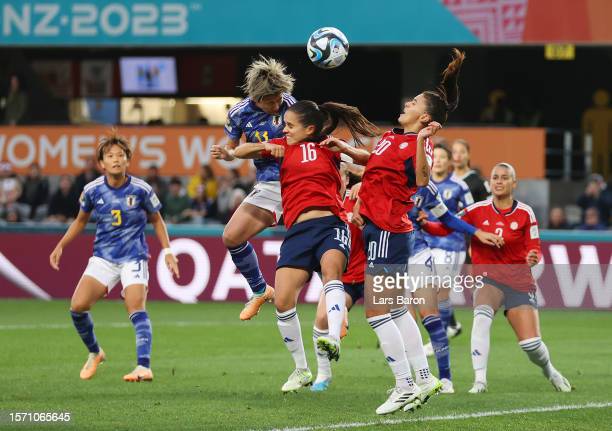
Particularly in the first half, there were some prime chances for the Japanese to get ahead of Costa Rica early on. These opportunities mainly came from set pieces where Japan couldn’t execute aerially.
For a side who may potentially reach the latter stages of the tournament and look like one of the best outfits so far, they cannot afford to miss these key chances and gifted opportunities. Set pieces – especially from corners – was a real weakness of the game and something that other sides would punish them for.
Lack of clinical finishing could be a concern for Japan, given that their first two games have been against much easier opposition to what they could meet moving forward.
The caveat to this is that Costa Rican goalkeeper, Daniela Solera, did make some very good saves and, although she let two goals in, Japan had almost 10 shots on target, making the ‘keeper work relatively hard throughout the game.
-
Costa Rica’s defence is quite inconsistent
Costa Rica held together as a unit in defence and provided a quick counter attack and press against an agile Japanese side. The South American side weren’t always fluid but were a calm side in the first 20 minutes. Conceding two goals in quick succession saw the said frustrated and slightly disorganised – an opposite picture to that of the first 20 minutes. Toward the end of the first half, Costa Rica managed to claw it back, re-finding that unity in the back line and silencing Japan’s runs.
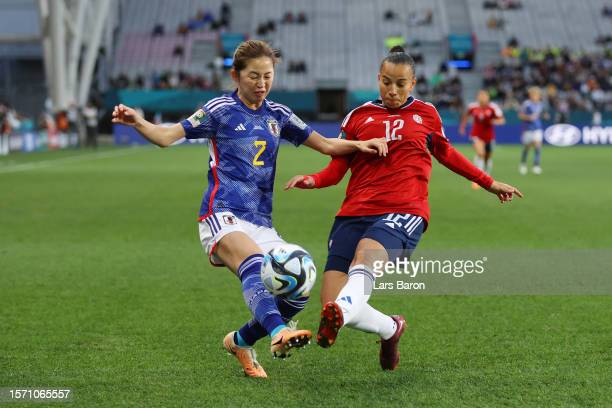
There were some pockets of excellent defending from Costa Rica, particularly from FC Girondins de Bordeaux’s Melissa Herrera.
This continued as Costa Rica seemed to grow into the game, having more control of the ball in the second half and did not allow Japan to take advantage of their 2-0 lead.
However, looking at their defence across both halves, inconsistent is the best word to describe it. Costa Rica were firm in the first 20 minutes, had periods of lapses in concentration and poor errors but ultimately held off Japan, only allowing two goals in. Against a side who seem to find scoring easy, it was an impressive second half from the South Americans.
-
Japan has plenty of goal scoring options
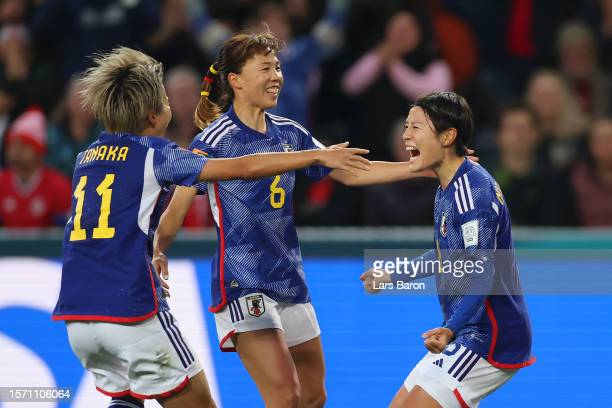
The omission of forward, Mana Iwabuchi from the World Cup squad was somewhat controversial, but Japan have proved that they still have a wealth of goal scoring options. The first came from midfielder Hikaru Naomoto, scoring her first World Cup goal. The second came from rising star, 19-year-old Aoba Fujino, future-proofing this side for tournaments to come.
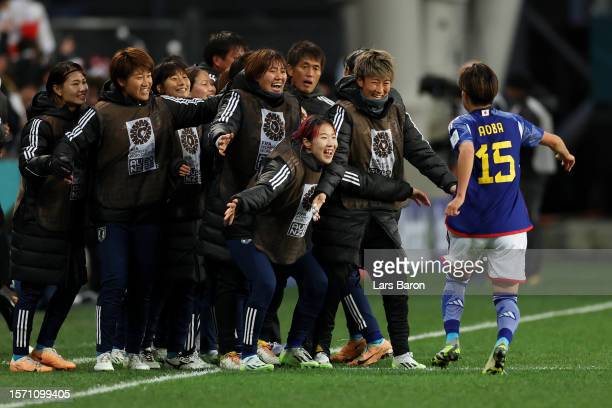
Japan opened their World Cup campaign with a 5-0 win with four different goal scorers on the sheet: Hinata Miyazawa, Mina Tanaka, Jun Endo and Riko Ueki. Their depth was demonstrated once again as head coach Futoshi Ikeda made four changes to the starting XI. Shiori Miyake, Hina Sugita, Hikaru Naomoto, and forward Honoka Hayashi all came in to the XI while Rion Ishikawa, Jun Endo, Fuka Nagano and Hinata Miyazawa were all benched – with the option of being high impact substitutions.
This enabled Japan to bring on some top players well in to the second half to have that impact and bring freshness to their attack.
-
Neither side were very physical
Contrasting to what has been apparent across other groups, neither side were overly physical. There were the occasional challenges from Japan but there were minimal fouls or high press from either team.
In the second half, Costa Rica’s counter press forced both teams to become more physical but the way in which Japan play, constantly on the ball does not require physicality for them to dominate.
Glasgow City midfielder, Priscila Chinchilla, did pick up a yellow card in the last 10 minutes on the game, highlighting Costa Rica’s requirement to chance tactics slightly and provide a more aggressive approach in pursuit of a goal.
